

In the competitive world of luxury hospitality, a hotel restaurant is more than just a place to eat; it is an integral part of the overall guest experience, a destination in itself. Many establishments, however, struggle to carve out a unique identity, often blending into the backdrop of their opulent surroundings. Without a distinct brand, even the most exquisite cuisine or lavish decor can fail to leave a lasting impression.
At AXAR, we understand that true luxury lies in thoughtful differentiation and an unforgettable narrative. A powerful brand identity transforms a meal into a memorable journey, compelling guests to return and share their experiences. This article delves into the five essential branding elements that elevate luxury hotel restaurants from mere dining spots to iconic culinary destinations.
Discover how strategic branding can define your restaurant’s character, attract discerning clientele, and build a legacy of excellence. Let us explore the pillars that underpin a truly exceptional luxury hotel restaurant brand.
Key Considerations for Luxury Hotel Restaurant Branding
Before diving into the specific elements, it is crucial to lay a strategic foundation. Effective branding for a luxury hotel restaurant requires meticulous planning and a deep understanding of market dynamics. Consider these key aspects to ensure your brand strategy is robust and impactful:
- Target Audience Alignment: Understand precisely who your ideal guest is. Are they seeking an intimate, quiet evening, a vibrant social hub, or a family-friendly gourmet experience? Tailor your branding to resonate deeply with their aspirations and lifestyle.
- Uniqueness Factor: What makes your restaurant truly special? Identify and amplify your unique selling proposition – be it a novel culinary concept, an unparalleled view, or a historic legacy. Differentiation is paramount in the luxury sector.
- Consistency Across Touchpoints: Every interaction a guest has with your brand, from the moment they discover you online to their final farewell, must be consistent. This includes visual identity, service style, menu presentation, and even the scent in the foyer.
- Scalability and Future Growth: Design a brand that has the flexibility to evolve and expand without losing its core essence. This foresight is vital for long-term success and potential future ventures.
- Investment and ROI: Branding is an investment. Carefully plan your budget for design, marketing, training, and operational execution. A well-executed brand strategy yields significant returns in reputation, loyalty, and revenue.
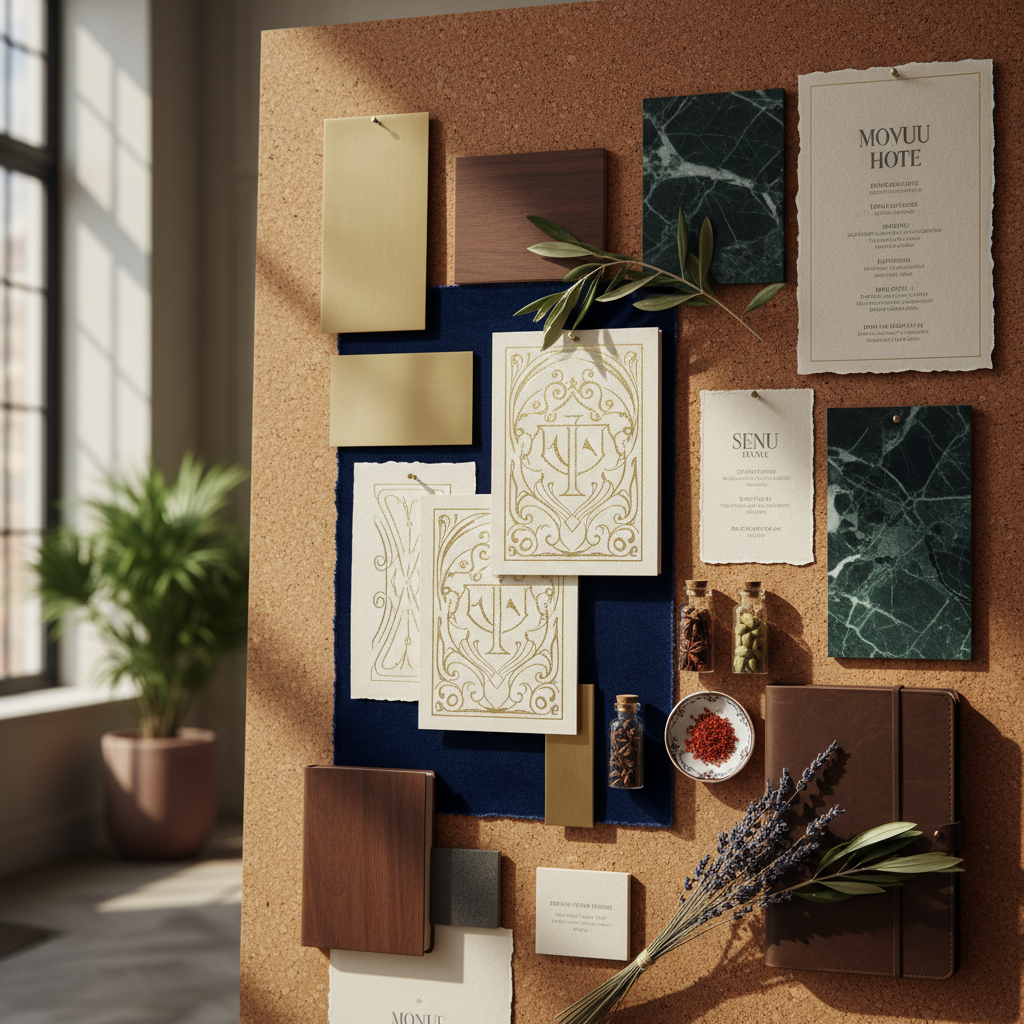
Quick Look: Essential Branding Elements
Here is a concise overview of the five critical branding elements that every luxury hotel restaurant should master to create a truly memorable experience:
- Signature Culinary Identity & Storytelling – A unique and unforgettable menu concept, deeply rooted in a compelling narrative that captivates guests.
- Immersive Ambiance & Interior Design – Thoughtfully crafted physical spaces that engage all senses, complementing the culinary theme and enhancing comfort.
- Refined Service Protocol & Staff Presentation – Impeccable, personalized service delivered by a knowledgeable, sophisticated, and attentive team.
- Distinct Visual & Digital Presence – A cohesive brand aesthetic reflected across all visual touchpoints, from logos and menus to the website and social media.
- Exclusive Guest Experience & Personalization – Tailored interactions and anticipatory service that create memorable moments and foster deep guest loyalty.
Deep Dive: Exploring Each Essential Element
Each of these elements plays a pivotal role in crafting a holistic and compelling brand identity for your luxury hotel restaurant.
1. Signature Culinary Identity & Storytelling
- Why It’s Essential: At the heart of any luxury restaurant is its food, but a signature culinary identity elevates it beyond mere sustenance. It is about crafting a unique gastronomic philosophy, a distinct style of cooking, and a compelling story that resonates with guests. This element ensures your menu is not just a list of dishes, but a curated experience, often tied to local traditions, a chef’s journey, or innovative techniques. Storytelling transforms a meal into a narrative, engaging guests emotionally and intellectually.
- Key Considerations: Define your culinary niche – is it farm-to-table, molecular gastronomy, regional specialties, or a fusion concept? Develop a compelling brand story that authenticates your menu and ethos. This narrative should be integrated into menu descriptions, staff training, and marketing materials. Ensure that the quality and consistency of your dishes always reflect the luxury promise.
2. Immersive Ambiance & Interior Design
- Why It’s Essential: The physical environment is just as crucial as the food on the plate, particularly in luxury settings. Immersive ambiance and interior design create the sensory backdrop for the culinary journey. From lighting and acoustics to furniture and artwork, every detail contributes to the overall mood and complements the restaurant’s identity. A well-designed space does not just look beautiful; it evokes emotion, provides comfort, and enhances the perception of luxury, making guests feel truly transported.
- Key Considerations: Invest in high-quality materials and bespoke furnishings that reflect luxury and durability. Collaborate with interior designers who understand hospitality and your specific brand vision. Pay attention to sensory details: appropriate background music, subtle signature scents, and comfortable seating arrangements. Ensure the design supports operational efficiency while maintaining an elegant aesthetic.
3. Refined Service Protocol & Staff Presentation
- Why It’s Essential: In the luxury sector, service is an art form. Refined service protocol goes beyond mere politeness; it involves anticipatory service, discretion, extensive product knowledge, and a genuine desire to create an exceptional guest experience. The staff are the front-line ambassadors of your brand. Their polished presentation, confident demeanor, and ability to handle every situation with grace directly reflect the restaurant’s commitment to excellence. This element builds trust and fosters a sense of exclusivity.
- Key Considerations: Develop a comprehensive training program that covers menu knowledge, wine pairing, guest interaction, problem-solving, and luxury service etiquette. Implement a consistent dress code and grooming standards that align with your brand’s aesthetic. Empower staff to make decisions that enhance guest satisfaction. Foster a culture of excellence and continuous improvement. The customer experience is paramount.
4. Distinct Visual & Digital Presence
- Why It’s Essential: In today’s interconnected world, a luxury hotel restaurant’s brand extends far beyond its physical walls. A distinct visual and digital presence ensures your brand message is consistent and appealing across all platforms. This includes a meticulously designed logo, elegant menus, sophisticated websites, and engaging social media content. A strong digital footprint attracts new guests, reinforces brand identity, and serves as a direct communication channel. It is how your luxury restaurant makes its first impression on a global audience. For Design Solutions that capture your vision, explore our offerings.
- Key Considerations: Partner with professional designers for your logo, branding guidelines, and collateral. Ensure your website is user-friendly, visually stunning, mobile-responsive, and reflects the luxury standard of your restaurant. Develop a social media strategy that showcases your food, ambiance, and unique story through high-quality photography and compelling captions. Maintain consistent brand voice and visuals across all online and offline materials.
5. Exclusive Guest Experience & Personalization
- Why It’s Essential: True luxury is often defined by exclusivity and personalization. This element focuses on creating unique moments and tailoring the experience to individual guests, making them feel valued and understood. It could involve remembering their favorite table, anticipating dietary needs, offering bespoke recommendations, or celebrating special occasions with a thoughtful gesture. Moving beyond standard offerings, this level of personalization transforms a dining experience into an intimate relationship, fostering profound loyalty and word-of-mouth advocacy.
- Key Considerations: Implement a robust customer relationship management (CRM) system to track guest preferences, special occasions, and feedback. Empower staff to recognize and act on opportunities for personalization. Offer exclusive benefits, loyalty programs, or members-only events. Actively seek guest feedback and use it to refine and enhance the experience continuously. The essence of a luxury brand is delivering an unparalleled individual journey.
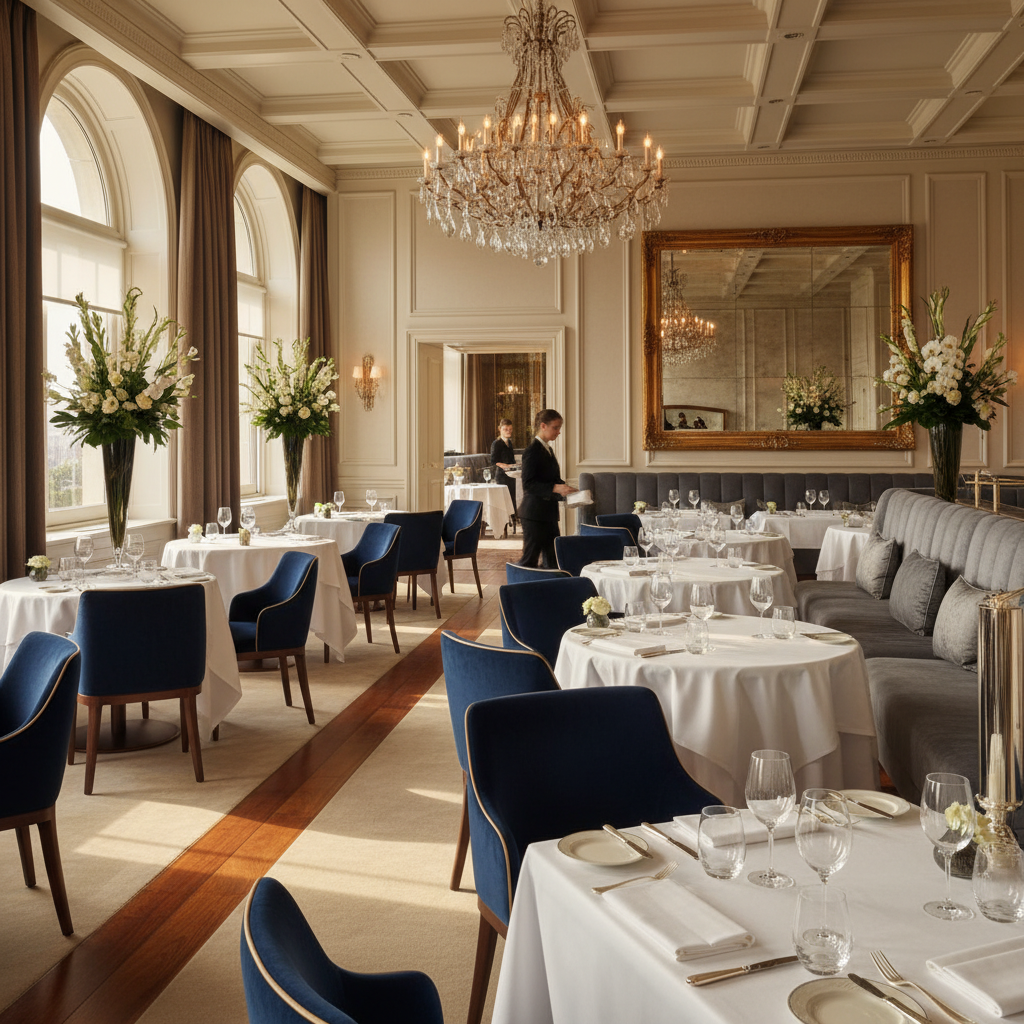
Tailoring Branding Elements for Different Restaurant Concepts
The beauty of branding lies in its adaptability. While the five elements remain constant, their application can be finely tuned to suit various luxury restaurant concepts within a hotel. Here is how you might adjust your focus:
- Fine Dining vs. Casual Chic: For a formal fine-dining restaurant, emphasize refined service protocols and an exclusive guest experience, with an ambiance that speaks to grandeur and intimacy. For a casual chic concept, the culinary identity might be more approachable yet equally innovative, with a design that is stylish, comfortable, and encourages social interaction. The visual branding adapts from classic elegance to contemporary sophistication.
- Theme-Based vs. Region-Specific: A restaurant with a distinct theme (e.g., a speakeasy, a garden cafe) would deeply integrate that theme into its ambiance, storytelling, and service quirks. A region-specific restaurant (e.g., authentic Italian, modern Asian) would highlight its culinary identity through traditional ingredients, preparation methods, and an environment that subtly evokes its geographical inspiration. Storytelling here becomes about the journey of ingredients or cultural heritage.
- Wellness-Focused vs. Indulgence-Driven: A wellness-focused restaurant might brand itself with light, fresh aesthetics, menus highlighting nutritional benefits, and service that emphasizes mindful dining. An indulgence-driven concept would lean into rich textures, opulent designs, lavish presentations, and a service style that encourages decadent enjoyment. The digital presence for each would reflect these distinct promises.
Implementing Your Brand Identity
Developing a brand strategy is just the first step; successful implementation is where the magic happens. A well-crafted brand only truly shines when it is consistently brought to life across all operational facets of your luxury hotel restaurant.
- Strategic Planning: Work with an experienced branding agency like AXAR to translate your vision into actionable strategies. Develop detailed brand guidelines covering everything from logo usage and color palettes to brand voice and photographic style.
- Training and Empowerment: Your staff are your most valuable brand assets. Invest in comprehensive training programs that not only teach skills but also instill the brand’s values, mission, and story. Empower them to embody the brand and make guest-centric decisions.
- Continuous Feedback Loops: Implement systems for collecting regular feedback from guests and staff. Use this information to identify areas for improvement and ensure the brand experience remains consistently excellent. This iterative process is crucial for maintaining a high standard.
Sustaining Your Luxury Brand Identity
A luxury brand is not a static entity; it is a living, evolving promise. To ensure its longevity and continued appeal, proactive maintenance and strategic adaptation are essential. This is how you make your luxury hotel restaurant’s brand identity last longer and stay relevant.
- Regular Brand Audits: Periodically review your brand’s performance against your objectives. Are your visual elements still fresh? Is your brand story resonating? Are there any inconsistencies creeping into your service or messaging? An external perspective, like that offered by AXAR’s Services, can be invaluable here.
- Adaptability and Evolution: The luxury market and consumer preferences are constantly shifting. Be prepared to subtly adapt and evolve your brand without compromising its core essence. This might involve updating menu items, refreshing interior accents, or refining your digital engagement strategies.
- Upholding Quality Standards: The most critical aspect of sustaining a luxury brand is unwavering commitment to quality. This applies to ingredients, preparation, service, ambiance, and even the cleanliness of the facilities. Any dip in quality can quickly erode the perception of luxury and exclusivity.
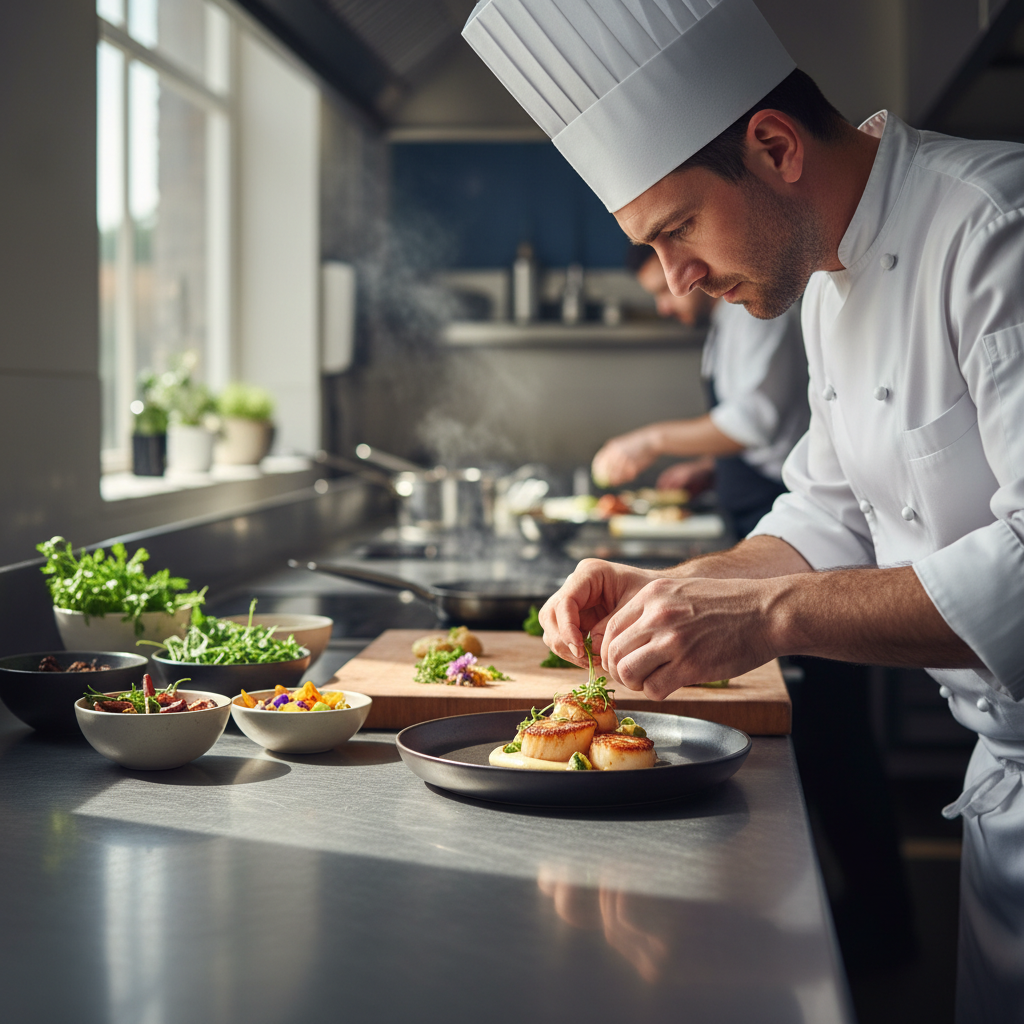
Your Next Step
Crafting an iconic brand for your luxury hotel restaurant requires vision, precision, and an unyielding commitment to excellence across every touchpoint. The five essential branding elements – signature culinary identity, immersive ambiance, refined service, distinct visual and digital presence, and exclusive guest experience – together form the bedrock of a truly unforgettable establishment.
By thoughtfully implementing and continuously nurturing these elements, your restaurant can transcend being merely a dining option and become a cherished destination, synonymous with unparalleled luxury and exceptional memories. Ready to define or elevate your luxury hotel restaurant’s brand identity? Partner with AXAR to bring your unique vision to life and ensure your establishment stands out in the global hospitality landscape. Visit our Home page or Contact Us today to begin your branding journey.
Sources
FAQ Section
Q: Why is branding so important for a luxury hotel restaurant?
A: Branding is crucial because it helps a luxury hotel restaurant differentiate itself in a crowded market, communicate its unique value proposition, and establish an emotional connection with guests. A strong brand builds recognition, trust, and loyalty, allowing the restaurant to command premium pricing and attract a discerning clientele looking for more than just a meal – they seek an experience.
Q: How can a hotel restaurant differentiate itself in a crowded market?
A: Differentiation can be achieved by developing a unique culinary identity and story, creating an immersive and distinct ambiance, offering refined and personalized service, and establishing a consistent, high-quality visual and digital presence. Focusing on a specific niche or a signature experience that cannot be replicated elsewhere is key.
Q: What role does storytelling play in luxury branding?
A: Storytelling is vital for luxury branding as it adds depth, authenticity, and emotional resonance. It transforms a product or service into a narrative, connecting with guests on a deeper level. For a luxury hotel restaurant, storytelling can highlight the chef’s inspiration, the origin of ingredients, the cultural heritage of the cuisine, or the restaurant’s legacy, making the dining experience more meaningful and memorable.
Q: How often should a luxury hotel restaurant review its brand identity?
A: A luxury hotel restaurant should ideally conduct a comprehensive brand audit every 2-3 years, or whenever there are significant shifts in market trends, target audience behavior, or internal strategic direction. Regular, smaller reviews (e.g., quarterly) of specific brand touchpoints, like menu design or social media content, are also beneficial to ensure ongoing consistency and relevance.
Q: What are common pitfalls to avoid in luxury restaurant branding?
A: Common pitfalls include inconsistent brand messaging across different platforms, failing to deliver on the brand promise through service or quality, neglecting staff training, copying competitors instead of innovating, and underinvesting in professional design and marketing. Another significant error is to focus solely on aesthetics without considering the functional aspects of the guest experience.