

In today’s competitive culinary landscape, a truly exceptional gourmet food product needs more than just outstanding taste-it needs packaging that tells its story, captivates the senses, and communicates its inherent value. Many premium food brands struggle to stand out on crowded shelves, losing potential customers because their packaging fails to reflect the quality and passion poured into their creations. Generic, uninspired, or poorly designed packaging can undermine months, or even years, of effort in crafting a superior product. This guide is designed to empower you to transform your product’s presentation, ensuring your gourmet offerings not only taste extraordinary but also look irresistible.
Effective premium gourmet food packaging is an art form, blending aesthetics, functionality, and brand storytelling into a cohesive experience. It’s about creating an emotional connection with your audience long before they ever take their first bite. From selecting the right materials to crafting compelling visuals, every element plays a crucial role in shaping consumer perception and driving purchasing decisions. Join us as we explore the foundational principles and advanced strategies for designing packaging that truly elevates your premium gourmet food brand.
What Is Premium Gourmet Food Packaging Design?
Premium gourmet food packaging design is the strategic and creative process of developing containers and wrapping for high-end, specialty food products. It transcends basic protection and containment, aiming instead to enhance the perceived value, elevate the brand experience, and communicate the unique story behind the food. This type of design focuses on delivering an immersive sensory journey, from the moment a customer sees the product to its unwrapping and eventual consumption.
Unlike standard food packaging, premium design prioritizes sophisticated aesthetics, superior materials, and meticulous attention to detail. It’s an investment in a brand’s identity, reflecting quality, exclusivity, and often, heritage. Key characteristics include elegant typography, bespoke illustrations or patterns, tactile finishes, and innovative structural forms that distinguish a product from its mass-market counterparts. Ultimately, premium gourmet packaging serves as a silent salesperson, conveying luxury, craftsmanship, and a promise of an unparalleled culinary experience.
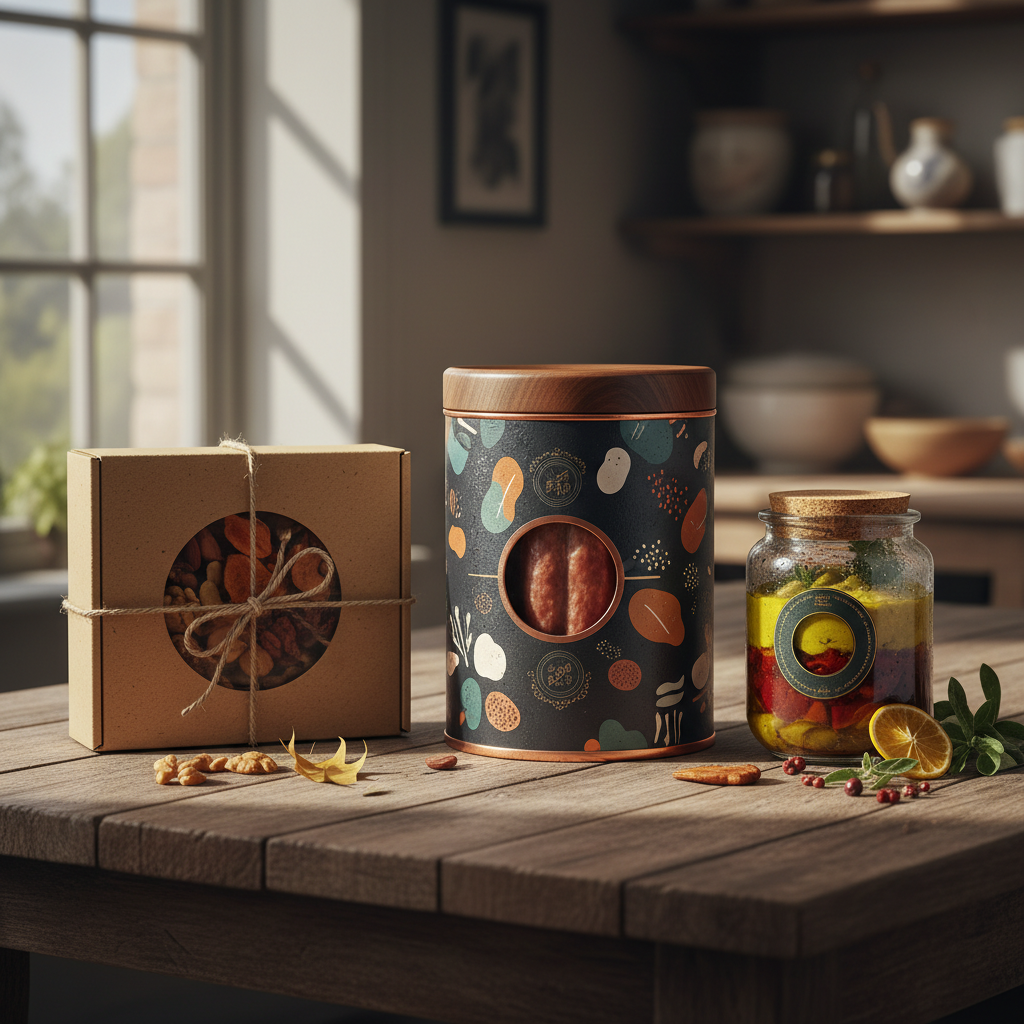
How Premium Gourmet Food Packaging Design Actually Works
Premium gourmet food packaging doesn’t just happen; it’s a meticulously engineered experience built upon several core pillars. These pillars work in concert to create a compelling narrative and an irresistible allure for discerning consumers. Understanding their interplay is crucial for any brand aiming to carve out its niche in the luxury food market.
Here are the fundamental pillars that drive effective premium gourmet food packaging design:
- Sensory Engagement: Beyond visual appeal, premium packaging activates multiple senses. This includes the tactile feel of embossed paper or smooth glass, the subtle scent of the packaging material itself (or even the product peeking through), and the satisfying sound of a seal being broken. The goal is to create an immediate, tangible connection that signals quality and anticipation.
- Brand Storytelling and Identity: The packaging acts as a canvas for your brand’s narrative. It communicates your history, values, sourcing philosophy, and the passion that goes into your product. Consistent branding, from logo placement to color palette and imagery, reinforces your unique identity and builds a memorable connection with your audience. This deep dive into your brand’s essence is vital, as outlined on Wikipedia’s article on Branding.
- Exquisite Materials and Finishes: The choice of materials is paramount. Think sustainable artisan papers, custom-molded glass, polished metals, or reclaimed wood-anything that feels substantial, luxurious, and eco-conscious. Specialized finishes like foil stamping, spot UV, embossing, debossing, and unique coatings add layers of sophistication and visual interest, communicating premium quality without words.
- Functionality and Protection: While aesthetics are crucial, the packaging must also perform its primary duty: protecting the gourmet food product. This includes maintaining freshness, preventing damage during transit, and ensuring ease of opening and resealing for the consumer. Innovative structural design can offer both beauty and practical benefits, enhancing the user experience.
- Shelf Presence and Differentiation: In a competitive market, premium packaging must immediately capture attention and differentiate your product from others. This involves unique shapes, captivating color schemes, and compelling visual hierarchies that make your product stand out and beckon consumers for a closer look, even from a distance.
How To Create Premium Gourmet Food Packaging Design Step By Step
Crafting exceptional packaging for your gourmet food product involves a deliberate, phased approach. Each step builds upon the last, ensuring the final design is cohesive, compelling, and perfectly aligned with your brand’s vision.
- Define Your Brand Identity and Target Audience: Before any design work begins, solidify who you are as a brand. What are your core values? What story do you want to tell? Equally important, deeply understand your target customer. What are their demographics, lifestyle, purchasing habits, and aesthetic preferences? This foundational insight will guide every design decision.
- Research Competitors and Market Trends: Analyze what your competitors are doing, both successfully and unsuccessfully. Identify gaps in the market and emerging trends in premium packaging-be it sustainable materials, minimalist aesthetics, or interactive elements. This helps you innovate rather than imitate, ensuring your design is fresh and relevant.
- Select Materials and Structural Design: Choose materials that resonate with your brand’s premium positioning and sustainability goals. Consider glass, metal, high-quality paperboard, or biodegradable options. Think about the package’s structure: will it be a jar, a box, a pouch, or something entirely unique? The structure impacts both protection and the unboxing experience. You can find more information on various materials in the Packaging article on Wikipedia.
- Develop Visual Aesthetics – Graphics and Typography: This is where the visual storytelling comes to life. Create a distinct visual language with a sophisticated color palette, elegant typography, and unique graphic elements like illustrations, patterns, or photography. Ensure these elements reflect your brand’s personality and appeal directly to your target audience.
- Incorporate Sensory Elements and Finishes: Think beyond sight. How will the packaging feel in hand? Consider textures, embossing, debossing, or special coatings that add a tactile dimension. Explore foil stamping for a luxurious sheen or spot UV to highlight specific details. These subtle touches elevate the perceived value.
- Design for Functionality and Practicality: The packaging must be easy to open, reseal (if applicable), and store. It must also protect the product from damage and preserve its freshness. Consider factors like shelf life, transport, and consumer convenience. An elegant design that is impractical will frustrate customers.
- Prototype and Test: Develop prototypes of your packaging to physically evaluate the design, materials, and functionality. Conduct user testing to gather feedback on ease of use, aesthetic appeal, and overall impression. This iterative process helps identify and resolve issues before full-scale production.
- Plan for Sustainability and Compliance: Integrate sustainable practices into your design, from using recycled materials to ensuring recyclability or compostability. Additionally, verify that your packaging complies with all food safety regulations, labeling requirements, and environmental standards in your target markets.
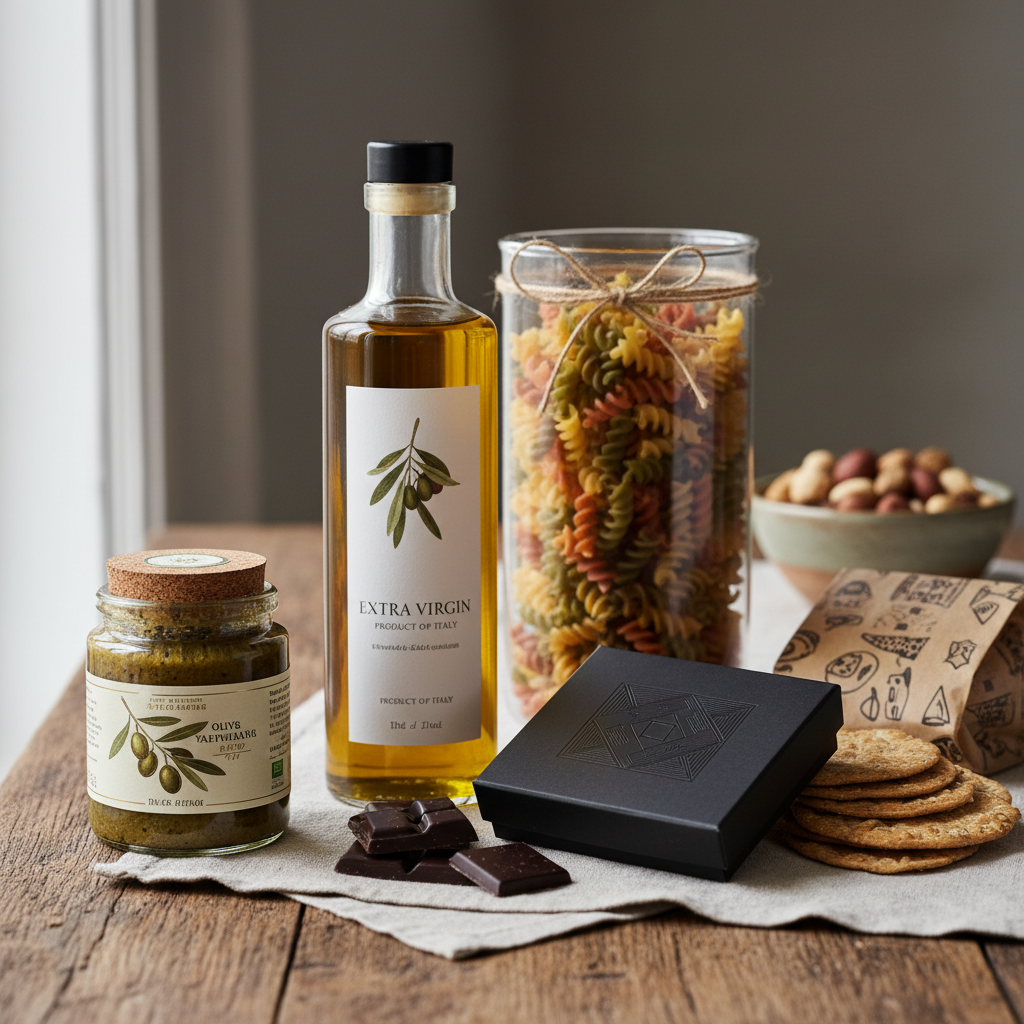
Common Mistakes And Myths in Gourmet Food Packaging
Navigating the world of premium packaging can be complex, and certain pitfalls can derail even the most promising products. Awareness of these common mistakes and pervasive myths is key to avoiding costly errors and achieving design excellence.
- Ignoring the Target Audience: Designing for personal taste rather than customer preference is a critical misstep. Premium packaging must resonate with the specific demographics and psychographics of your desired market segment.
- Overlooking Sustainability: In today’s market, sustainability is not just a trend; it’s an expectation. Failing to integrate eco-friendly materials or practices can alienate a significant portion of the premium consumer base. More insights on this can be found on Wikipedia’s Sustainable Packaging page.
- Sacrificing Functionality for Aesthetics: A beautiful package that doesn’t adequately protect the product, is difficult to open, or fails to maintain freshness will ultimately lead to a poor customer experience and brand damage.
- Inconsistent Brand Story: If the packaging visuals, materials, and messaging don’t align with your brand’s core identity and product quality, it creates confusion and distrust. The packaging should be a seamless extension of your brand story.
- Underestimating the Power of Tactile Experience: Focusing solely on visual appeal means missing out on a crucial sensory dimension. The feel of the package-its weight, texture, and finishes-plays a huge role in conveying luxury and quality.
- Failing to Prototype and Test: Launching without physical prototypes and consumer testing can lead to unforeseen design flaws, production issues, and negative market reception.
Real Life Scenarios
Understanding how premium gourmet food packaging design applies to different business models can illuminate its versatile power. Here are a few scenarios:
A Small-Batch Artisanal Producer
Imagine a small producer crafting exquisite, handmade chocolates. Their challenge is to convey the artisanal quality and unique flavors through packaging that stands out against larger brands. For them, premium packaging might involve small, intricately designed boxes with custom illustrations reflecting the chocolate’s origin or ingredients. Using a textured paper, a wax seal, or a delicate ribbon could enhance the handmade feel, reinforcing authenticity and luxury. The goal is to make each chocolate feel like a precious discovery, justifying its premium price point and fostering a direct emotional connection with the consumer who values craftsmanship and individuality.
An Established Gourmet Food Brand Expanding Product Lines
Consider an established brand known for its high-end olive oils, now introducing a line of specialty vinegars. The new packaging needs to maintain brand consistency while signaling the uniqueness of the new product. This might involve using bottles of similar elegant forms but with distinct color palettes or labels that subtly differentiate the vinegar from the oil, perhaps with matte finishes instead of glossy ones. An embossed brand logo on the glass bottle itself or a bespoke closure mechanism could reinforce the brand’s heritage and commitment to quality across its expanded range, ensuring brand recognition while allowing for individual product identity. This strategy leverages existing brand equity for new offerings.
A Luxury Food Gift Basket Company
For a company specializing in curated luxury food gift baskets, the packaging of individual items within the basket, as well as the basket itself, is paramount. The overall presentation must evoke generosity, sophistication, and a celebratory feel. This could mean using premium, reusable baskets or beautifully designed presentation boxes for individual items. Each product’s packaging would be chosen not just for its individual appeal but for how it contributes to the cohesive, opulent aesthetic of the entire gift. Clear labeling, perhaps with elegant hang tags, would detail the provenance of each gourmet item, further enhancing the perception of exclusivity and thoughtfulness for both the giver and the receiver.
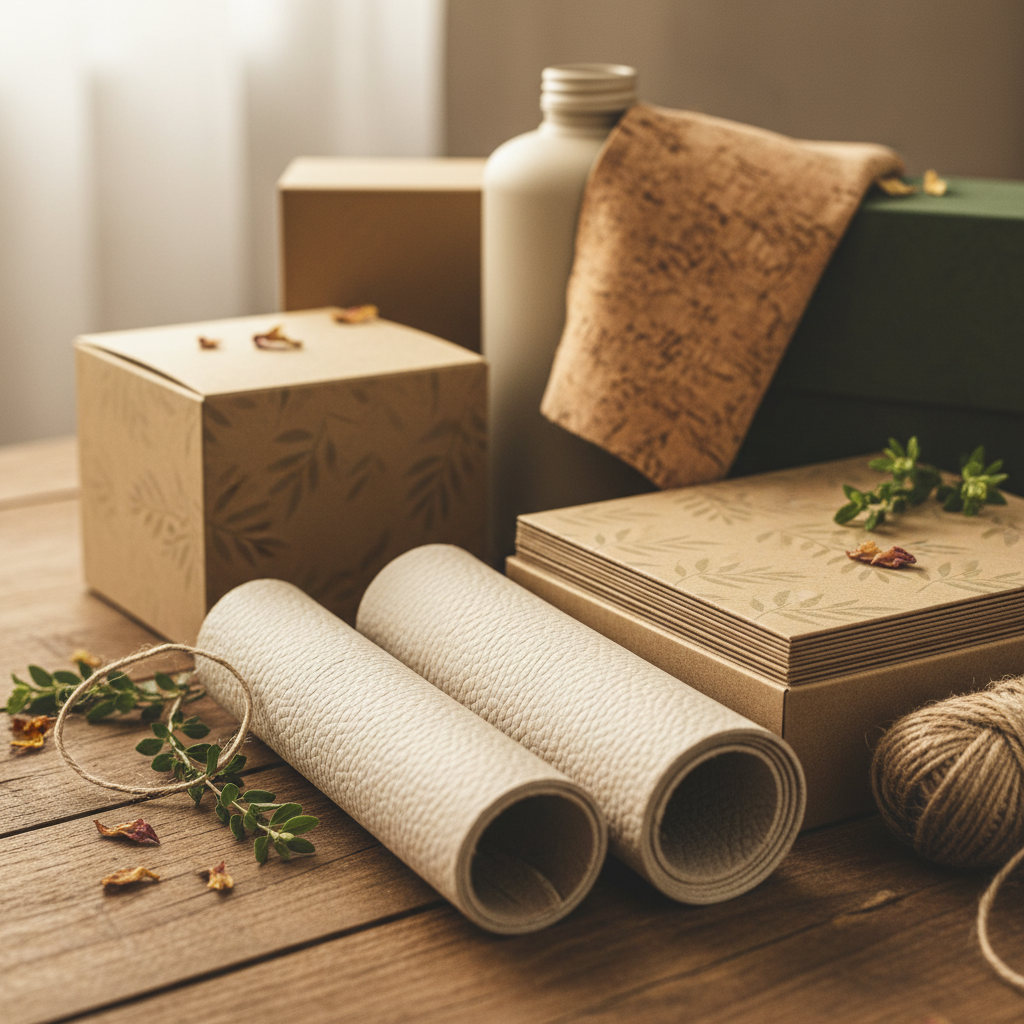
AXAR’s Approach to Premium Gourmet Packaging Design
At AXAR, we understand that premium gourmet food packaging is not merely a container; it’s a critical component of your brand’s narrative and market success. Our approach is deeply rooted in a strategic fusion of artistic design, market insight, and functional excellence. We don’t just create packaging; we craft experiences that captivate, communicate, and convert.
We begin by immersing ourselves in your brand’s unique story, values, and the essence of your gourmet products. Our team leverages extensive research into consumer psychology and market trends to ensure your packaging not only looks stunning but also effectively resonates with your target audience. From selecting the perfect sustainable materials to developing bespoke structural designs and exquisite graphic elements, we oversee every detail. Our Design Solutions are tailored to transform your vision into a tangible, premium presentation that commands attention and conveys unparalleled quality on any shelf.
Beyond aesthetics, AXAR focuses on packaging that performs. This means ensuring your design offers superior product protection, enhances shelf life, and provides an intuitive, delightful unboxing experience for the consumer. We also integrate our Marketing Solutions perspective, guaranteeing that the final design is not only beautiful but also strategically optimized for market appeal and brand longevity. Partner with AXAR to unlock the full potential of your gourmet food products through packaging that speaks volumes.
Still Not Sure? Addressing Your Packaging Design Concerns
It’s natural to have questions when considering such a pivotal investment in your brand. Here are some common concerns we often address:
Q: Is premium packaging truly worth the additional cost for a small brand?
A: Absolutely. For small gourmet brands, premium packaging is often even more critical. It acts as a powerful differentiator, signaling quality and exclusivity that can justify a higher price point and build strong brand loyalty, allowing you to compete effectively with larger, more established companies. It’s an investment in perception and market positioning.
Q: How can I ensure my packaging is sustainable without compromising on the premium feel?
A: Modern sustainable materials have evolved dramatically. We work with innovative options like recycled content paperboard, biodegradable films, plant-based plastics, and responsibly sourced glass or metals. These materials can be enhanced with luxurious finishes, embossing, and custom textures to maintain a high-end aesthetic while upholding your environmental commitment.
Q: What if I only produce in small batches? Can AXAR still help?
A: Yes, we specialize in solutions for brands of all sizes, including small-batch producers. We can guide you towards packaging options and print quantities that are viable and cost-effective for smaller runs, ensuring your unique products still receive the premium presentation they deserve without requiring massive minimum orders.
Q: How long does the premium packaging design process typically take?
A: The timeline varies based on complexity, material selection, and prototyping. A comprehensive design project can range from 8 to 16 weeks or more, encompassing research, conceptualization, design, material sourcing, prototyping, and finalization. We work diligently to ensure efficiency without compromising quality.
Making It Work Long Term: Evolving Your Packaging Design
Premium gourmet food packaging is not a one-and-done project; it’s an ongoing commitment to excellence and relevance. To ensure your packaging continues to resonate and drive success long term, consider these strategies:
- Conduct Regular Design Audits: Periodically review your packaging against current market trends, competitor offerings, and evolving consumer preferences. Is it still fresh? Does it accurately reflect your brand’s growth? This helps identify areas for refinement or complete redesign.
- Gather Customer Feedback: Actively solicit feedback from your customers about their packaging experience. What do they love? What frustrates them? User insights are invaluable for iterative improvements, whether it’s enhancing ease of opening or exploring new material textures.
- Stay Ahead of Sustainability Trends: The landscape of sustainable packaging is constantly evolving. Keep informed about new eco-friendly materials, recycling technologies, and consumer demand for green solutions. Proactively integrating these advancements keeps your brand responsible and appealing.
- Adapt to Product Line Extensions: As your product range grows, ensure your packaging system can accommodate new additions while maintaining a cohesive brand identity. Develop a flexible design language that allows for variations across different products without diluting your core brand message.
- Monitor Supply Chain and Production Innovations: Keep an eye on advancements in packaging manufacturing and logistics. New printing techniques, assembly methods, or distribution practices might offer opportunities to enhance quality, reduce costs, or improve your packaging’s environmental footprint over time.
Summary
Premium gourmet food packaging design is an indispensable tool for brands aiming to captivate discerning consumers and convey the true value of their exceptional products. It’s a strategic blend of sensory appeal, compelling storytelling, and exquisite craftsmanship that extends far beyond mere containment. By investing in thoughtful design, selecting superior materials, and relentlessly focusing on the customer experience, your packaging becomes a powerful ambassador for your brand, fostering loyalty and driving market success.
Ready to elevate your gourmet food brand with packaging that truly reflects its quality? Let AXAR guide you. Explore our tailored Design Solutions and transform your product’s presentation into an unforgettable experience. Contact us today for a consultation.
Sources
- Packaging – Wikipedia
- Branding – Wikipedia
- Food Industry – Wikipedia
- Sustainable Packaging – Wikipedia
Frequently Asked Questions (FAQ)
Q: What is the most important element of premium gourmet food packaging?
A: While all elements are crucial, consistency in conveying your brand’s story and product quality is arguably the most important. Every aspect-from material choice to typography-must align to create a cohesive and authentic premium experience.
Q: How do I choose the right materials for my premium food packaging?
A: Material selection should be guided by your brand identity, product requirements (e.g., shelf life, protection), target audience preferences, and sustainability goals. Consider factors like tactile feel, visual appeal, durability, and environmental impact.
Q: Can premium packaging help increase my product’s perceived value and price point?
A: Yes, absolutely. High-quality, thoughtfully designed packaging communicates superior craftsmanship and attention to detail, which can significantly enhance a product’s perceived value and justify a higher price point in the minds of consumers.
Q: What are the key differences between standard and premium food packaging design?
A: Premium packaging goes beyond basic functionality, focusing on creating an immersive sensory experience, telling a unique brand story, utilizing superior materials and finishes, and achieving distinctive shelf appeal to convey luxury and exclusivity, unlike standard packaging which prioritizes cost and mass-market appeal.
Q: How can I ensure my packaging design remains relevant over time?
A: Regular design audits, staying informed about market trends and consumer preferences, and proactively gathering feedback are key. Being open to iterative improvements and adapting to new sustainable practices will help your packaging maintain its premium appeal and relevance.