

Imagine your premium luxury cruise brand. Every touchpoint, from the onboard menu to the shore excursion brochure, should whisper elegance and cohesion. Yet, you find a different font here, a slightly off-brand color there, and a message that feels disconnected from one piece of collateral to the next. This subtle dissonance erodes the perception of luxury and weakens guest trust before they even step aboard.
In the competitive world of luxury travel, every detail matters. Inconsistent branding across your diverse collateral doesn’t just look unprofessional; it actively undermines the exclusive experience you promise. It suggests a lack of attention to detail, which is antithetical to the very definition of luxury.
If you’re grappling with a brand image that feels less like a symphony and more like a collection of disjointed notes, you’re not alone. Many premium brands face the intricate challenge of maintaining absolute consistency across a vast array of physical and digital assets. This article will explore the root causes of this problem and provide a clear, actionable roadmap to achieving impeccable luxury cruise brand consistency through superior collateral design.
The Problem: A Fragmented Brand Experience
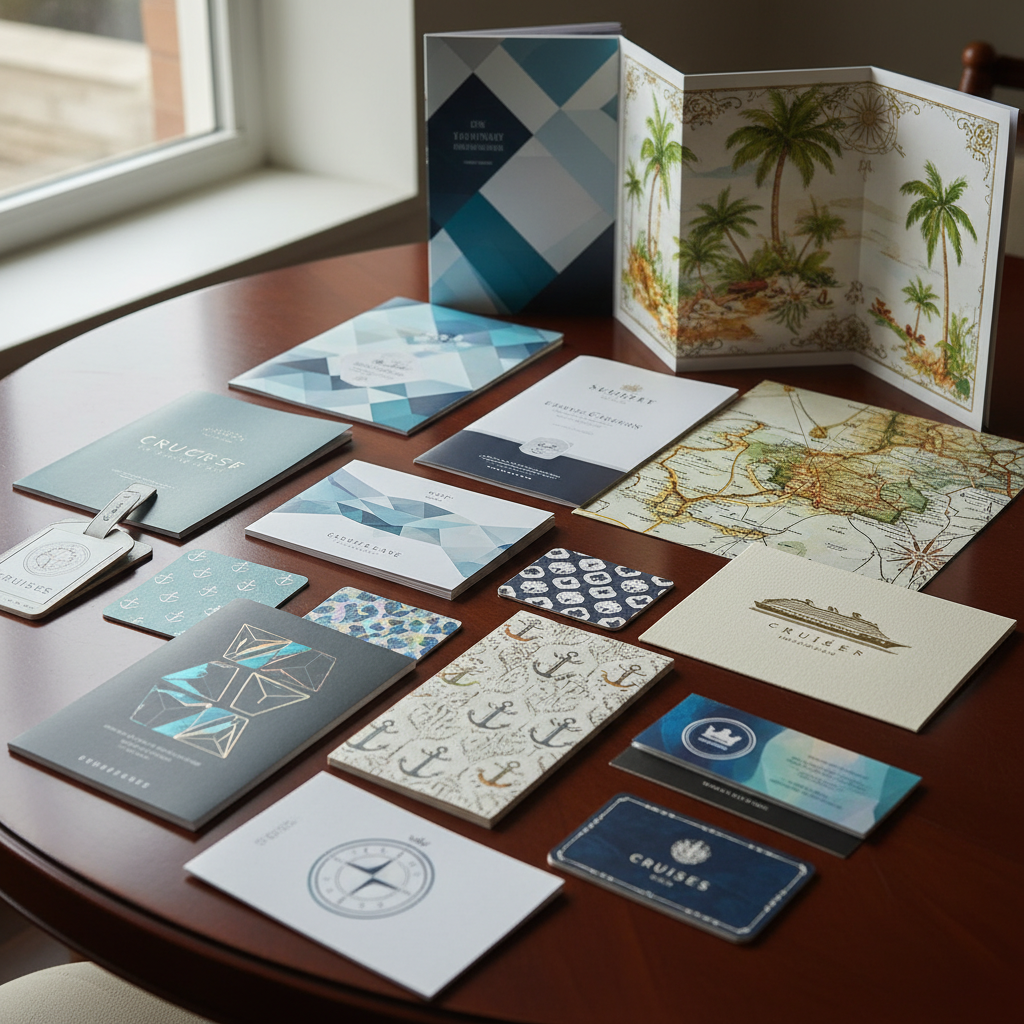
The daily grind for a luxury cruise line often involves a cascade of collateral: boarding passes, cabin key cards, dining menus, spa service lists, welcome packets, excursion flyers, digital advertisements, and more. Each piece, individually small, contributes to the grand tapestry of your brand’s identity. However, without a robust system, these seemingly minor elements can quickly diverge, leading to a fragmented brand image.
New hires might not grasp the full brand guidelines, or urgent deadlines might force compromises, resulting in a patchwork of designs that lack the unified, premium feel your guests expect. The cumulative effect of these inconsistencies is a diluted brand message and a compromised luxury perception. Guests, even subconsciously, notice when the sophisticated visual language they expect from a premium experience is not consistently delivered.
Why This Keeps Happening: Understanding the Root Causes
Brand inconsistency in collateral design doesn’t usually stem from malicious intent but rather from systemic challenges within a dynamic organization. Identifying these underlying issues is the first step toward building a lasting solution.
- Dispersed Brand Assets: Often, approved logos, high-resolution images, brand fonts, and specific color palettes are scattered across various department drives, local computers, or even personal cloud storage. Without a single, authoritative source, teams inevitably use outdated or incorrect versions.
- Inadequate or Inaccessible Brand Guidelines: While a brand book might exist, it can sometimes be either too vague for practical application across all collateral types or so overly complex that it’s rarely consulted. Furthermore, if it’s not easily accessible to everyone who needs it-internal teams, external agencies, and even third-party vendors-it cannot effectively guide design decisions.
- Multiple Design Teams and Vendors: Luxury cruise lines often work with several creative agencies, internal design teams, and local print shops for different projects. Without strict oversight and a shared resource library, each entity might interpret brand standards slightly differently, leading to variations across collateral.
- Rapid Content Updates and Production Cycles: The cruise industry is fast-paced, with frequent itinerary changes, special promotions, and evolving guest services. This demand for quick turnaround times can pressure teams to bypass rigorous brand reviews, prioritizing speed over strict adherence to guidelines.
- Lack of a Centralized Digital Asset Management (DAM) System: Without a dedicated DAM system, there’s no single source of truth for approved brand elements. This absence forces designers and marketers to waste time searching for assets, increasing the likelihood of using off-brand materials and making consistency a constant struggle.
The Short Answer: A Strategic Approach to Design Cohesion
Achieving unwavering luxury cruise brand consistency relies on a comprehensive, actionable strategy centered around a robust collateral design system and a centralized digital asset management infrastructure. It requires a commitment to defining, documenting, distributing, and diligently enforcing your brand’s visual and verbal identity across every single guest touchpoint.
What The Solution Looks Like In Real Life: Operational Excellence Through Design
In practice, a successful brand consistency solution means every designer, marketer, and vendor has instant access to approved, customizable templates, a precise and living brand style guide, and a library of high-quality, pre-approved assets. When a new dining menu needs creating, it becomes a simple process of selecting a pre-approved template from the DAM system, populating it with current content, and knowing with certainty that its design, typography, and imagery will perfectly align with all other brand communications.
This systematic approach creates a seamless, elegant experience for your guests, reinforcing the premium promise at every turn. For your team, it dramatically streamlines operations, reduces design rework, minimizes approval bottlenecks, and frees up valuable creative time to focus on innovation rather than correction. Ultimately, it elevates your brand’s perceived value and operational efficiency, strengthening your market position.
Step By Step: Building Your Consistent Brand Experience
Implementing a comprehensive brand consistency strategy for your luxury cruise line is a structured journey. Follow these steps to transform your approach to collateral design.
- Conduct a Thorough Collateral Audit: Begin by gathering every piece of physical and digital collateral currently in use. Scrutinize each item for inconsistencies in logos, colors, fonts, imagery, tone of voice, and messaging. This comprehensive audit provides a clear picture of the current state and highlights specific areas needing attention.
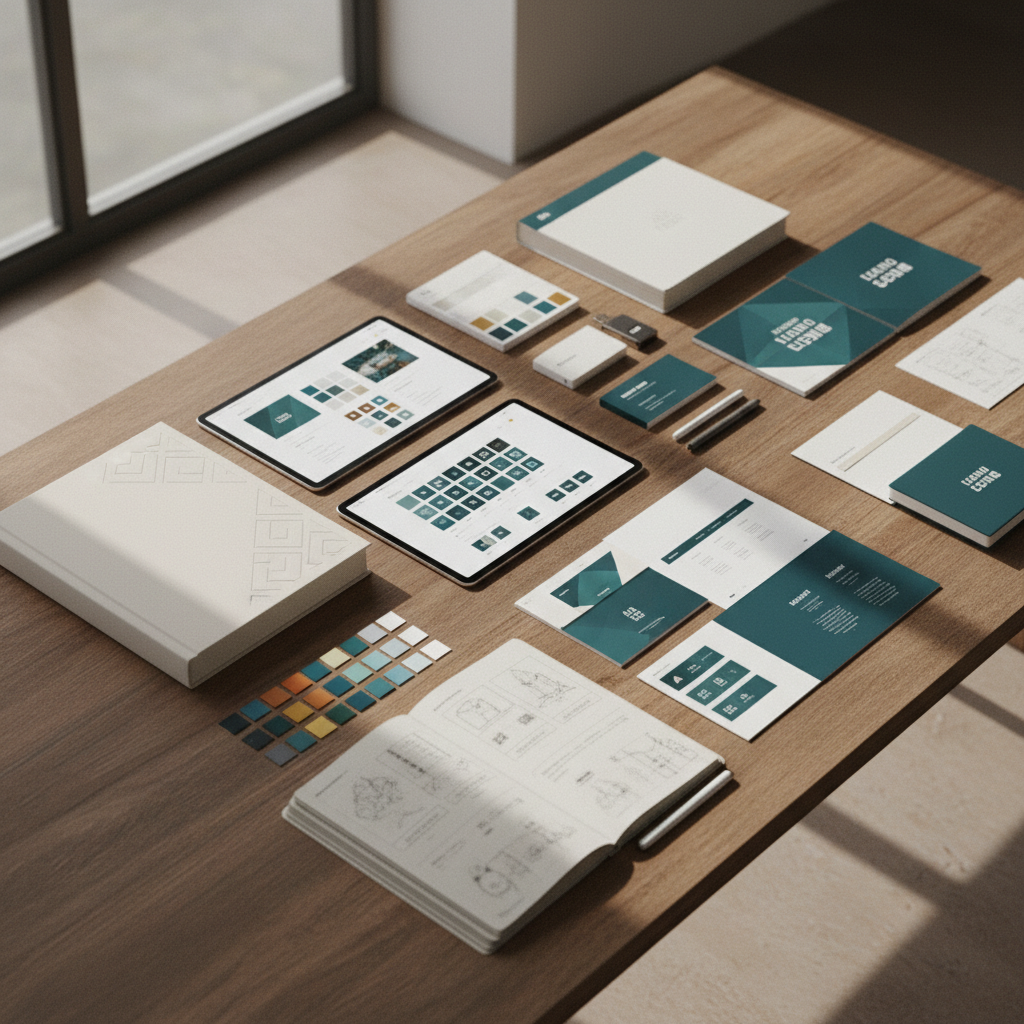
- Define a Master Brand Style Guide: Develop or refine an exceptionally detailed and actionable brand style guide. This guide must go beyond basic logo usage to include precise color codes (CMYK, RGB, Hex), primary and secondary typography, imagery guidelines (style, subject matter, emotional tone), tone of voice, copywriting standards, and specific layout principles for various collateral types. Ensure it is a living document, accessible to all. For more on defining brand identity, refer to Wikipedia’s entry on Brand Identity.
- Consolidate and Organize Digital Assets: Implement a robust Digital Asset Management (DAM) system. This centralized repository will house all approved logos, high-resolution images, video clips, brand fonts, templates, and finalized collateral. A DAM system ensures everyone works from the same, most current version of every asset, drastically reducing errors. Learn more about its importance from Wikipedia’s Digital Asset Management page.
- Develop Standardized Templates for Key Collateral: Create a suite of pre-designed, on-brand templates for your most frequently used collateral-menus, welcome letters, excursion flyers, social media graphics, email newsletters, etc. These templates should be easily customizable within the DAM system or other design software, allowing teams to quickly produce new materials while maintaining absolute consistency.
- Establish Clear Approval Workflows: Define a streamlined yet thorough review and approval process for all new or updated collateral. This process should clearly outline who needs to approve what, preventing off-brand materials from going live.
- Train Teams and Vendors Extensively: Invest in comprehensive training for all internal marketing, design, onboard operations, and sales teams, as well as external agencies and print partners. Ensure they understand the brand guidelines, how to use the DAM system, and the approval workflows. Ongoing training and refreshers are crucial.
- Regular Review and Updates: Brand consistency is an ongoing commitment. Schedule regular reviews of your collateral, guidelines, and systems to ensure they remain relevant and effective. Adapt to new trends and evolving brand strategies while maintaining core consistency.
How This Looks For Different People: Benefiting Every Stakeholder
A strong collateral design consistency strategy positively impacts various roles within and connected to your luxury cruise brand:
- For the Marketing Director: Ensures every campaign, from print ads to onboard promotions, perfectly aligns with the brand’s premium image. It simplifies campaign execution and strengthens brand equity, allowing for more strategic focus. AXAR offers comprehensive Marketing Solutions to support these efforts.
- For the Onboard Experience Manager: Guarantees that physical collateral like dining menus, spa brochures, and cabin information seamlessly integrate with the high-touch, luxurious environment, enhancing the guest’s overall journey and satisfaction.
- For the Design Team Member: Streamlines their workflow, reducing the need for repetitive design decisions and extensive rework. They can focus more on creative problem-solving and less on policing brand compliance, leading to higher job satisfaction and more impactful designs.
- For External Agencies and Vendors: Provides clear, unambiguous guidelines and direct access to approved assets, significantly reducing onboarding time and errors. This fosters stronger, more efficient partnerships and ensures all outsourced work is perfectly on-brand.

What Might Still Be Holding You Back: Addressing Common Objections
Even with a clear path forward, several factors can delay or derail efforts to achieve brand consistency. Addressing these proactively is key to success.
- “It’s too expensive to implement a new system or overhaul our branding.” While there’s an initial investment, consider the long-term savings from reduced rework, faster production times, and the invaluable uplift in brand perception and customer loyalty. Inconsistency costs more in lost trust and diminished value over time.
- “We don’t have the time for a full overhaul right now; we’re too busy.” This is a common trap. The “too busy” cycle often perpetuates the problem, leading to more inefficiencies down the line. A phased approach can mitigate this, starting with the most impactful collateral or a pilot program.
- “Our current system works ‘well enough’.” “Well enough” is rarely sufficient for a luxury brand. Redefine “well enough” against the highest standards of luxury and guest expectation. Subtlety makes all the difference in premium branding.
- “Resistance from various departments or legacy mindsets.” Change management is critical. Secure strong leadership buy-in and communicate the “why” and “how” clearly to all stakeholders. Highlight the benefits for each team, not just the brand.
Common Mistakes To Avoid in Your Brand Consistency Journey
Steer clear of these pitfalls to ensure your efforts toward brand consistency are effective and sustainable:
- Creating a brand guide that is either too vague (lacks specific examples) or overly complex (discourages use). It needs to be precise and user-friendly.
- Implementing new technology, like a DAM system, without sufficient training and ongoing support for all users.
- Neglecting to involve key stakeholders from all relevant departments early in the process. Their input and buy-in are crucial for adoption.
- Focusing solely on digital collateral while overlooking the equally important consistency of physical materials on board and at ports.
- Treating brand consistency as a one-time project. It’s an ongoing commitment that requires regular review, adaptation, and enforcement.
- Failing to provide easily accessible templates and tools that make it simple for teams to adhere to brand guidelines.
Your Implementation Checklist for Brand Consistency
Use this checklist to guide your journey toward impeccable luxury cruise brand consistency:
- [ ] Conduct a thorough, objective audit of all existing physical and digital brand collateral.
- [ ] Secure strong leadership buy-in and allocate dedicated resources (budget, personnel, time) for the initiative.
- [ ] Develop or update a comprehensive, clear, and actionable brand guideline document.
- [ ] Research, select, and implement a suitable Digital Asset Management (DAM) system.
- [ ] Create a core set of standardized, on-brand templates for your most frequently used collateral types.
- [ ] Design and deliver comprehensive training programs for all internal teams and external vendors on brand guidelines and system usage.
- [ ] Establish a clear, efficient, and well-communicated collateral review and approval process.
- [ ] Integrate brand compliance checks into routine operational procedures.
- [ ] Plan for regular (e.g., quarterly or semi-annual) reviews and updates of brand guidelines and assets.
- [ ] Appoint a dedicated “Brand Guardian” or team responsible for overseeing consistency and providing ongoing support.
Your 7 Day Plan to Kickstart Brand Consistency
While full implementation takes time, here’s a rapid-fire plan to initiate your journey toward luxury cruise brand consistency within a week:
- Day 1: Kick-off Meeting & Initial Audit Scope. Assemble key stakeholders (marketing, design, operations leadership) to define the problem’s scope, objectives, and assign a project lead. Begin collecting samples of current collateral.
- Day 2: Gather Existing Collateral Samples. Task teams to submit all current brand collateral-menus, flyers, ads, digital assets-to a shared temporary folder for review.
- Day 3: Review Current Brand Guidelines & Identify Gaps. The project lead and a small core team review existing brand guidelines. Note areas that are vague, missing, or difficult to implement consistently across varied collateral.
- Day 4: Research DAM Solutions (if applicable). Explore 2-3 potential Digital Asset Management systems. Identify key features needed for your cruise line’s specific requirements (e.g., template management, robust search, user permissions).
- Day 5: Draft a Project Plan for Consistency Initiative. Outline a high-level project plan, including phases for guideline refinement, DAM implementation, template creation, and training. Assign preliminary owners to each phase.
- Day 6: Identify Key Stakeholders for Input. List all individuals or departments who will be impacted or need to provide input on the revised guidelines and systems. Plan a communication strategy.
- Day 7: Schedule Follow-up Meetings & Prioritize First Steps. Schedule a follow-up with leadership to present the initial findings and project plan. Prioritize the first 1-2 critical actions to take in the next month, perhaps focusing on a single, high-impact collateral type.
Summary & Your Next Voyage to Brand Excellence
Achieving unwavering luxury cruise brand consistency through meticulous collateral design is not merely an aesthetic choice; it’s a strategic imperative. It reinforces your premium positioning, elevates guest perception, and streamlines operational efficiency. By addressing the root causes of inconsistency and implementing a structured, systematic approach, you can transform a fragmented brand experience into a cohesive, compelling narrative.
A consistent brand reflects a meticulous operation, a promise of quality, and a commitment to excellence-qualities your luxury guests expect and deserve. AXAR can help you navigate these waters, transforming your brand vision into a consistently stunning reality across every touchpoint. We specialize in crafting impactful Design Solutions that resonate with your discerning audience.
Ready to elevate your brand’s presence and ensure every piece of collateral speaks the language of luxury? Contact Us today to discuss how AXAR can partner with you to achieve impeccable brand consistency.
Sources
- Brand Identity – Wikipedia
- Digital Asset Management – Wikipedia
- Corporate Identity – Wikipedia
- Visual Communication – Wikipedia
Frequently Asked Questions About Luxury Cruise Brand Consistency
Q: What is brand consistency and why is it crucial for luxury cruise lines?
A: Brand consistency ensures a uniform experience across all brand touchpoints, from digital ads to onboard physical collateral. For luxury cruise lines, it’s vital because it builds trust, reinforces a premium image, and enhances the overall guest experience, solidifying the perception of exclusivity and quality that discerning travelers expect.
Q: How does collateral design impact brand consistency?
A: Collateral-physical and digital materials like menus, brochures, key cards, and digital advertisements-are direct, tangible representations of your brand. Inconsistent design elements-colors, fonts, imagery, or messaging-across these pieces can confuse guests and dilute the luxury perception, making the brand seem less professional, less curated, and ultimately, less premium.
Q: What is a Digital Asset Management (DAM) system and how does it help?
A: A DAM system is a centralized repository for managing, organizing, and distributing digital assets such as images, videos, logos, brand fonts, and templates. It ensures all teams and external partners have access to the latest, approved brand elements, preventing the use of outdated or off-brand materials and promoting seamless consistency across all collateral.
Q: How long does it take to achieve full brand consistency across all collateral?
A: The timeline varies significantly based on the cruise line’s size, the volume of existing collateral, and the scope of internal systems. A thorough overhaul can take several months to a year, but significant improvements can be seen within weeks by implementing a centralized style guide and template system. It’s important to view brand consistency as an ongoing commitment rather than a one-time fix.
Q: What are the biggest challenges in maintaining brand consistency for luxury cruise brands?
A: Key challenges include managing a vast volume of diverse collateral, coordinating multiple internal departments and external vendors, keeping up with rapid content updates, and overcoming resistance to change. Additionally, ensuring brand guidelines are both comprehensive and easily implementable across all touchpoints is a significant hurdle.