

In today’s competitive food market, your product’s journey from farm or factory to consumer’s pantry often hinges on a critical first impression: its packaging. For premium food brands, this isn’t just a container; it’s a silent salesperson, a brand ambassador, and a promise of quality. Many exceptional food products fail to capture their audience’s attention because their packaging doesn’t convey the inherent value within. It’s a common struggle – how do you ensure your product stands out on a crowded shelf, communicates its unique story, and justifies its premium price point, all before the first bite?
At AXAR, we understand that packaging design for premium food brands is an art and a science. It’s about crafting an experience that begins the moment a customer sees your product. Effective design elevates perception, builds trust, and ultimately drives purchasing decisions.
This guide will walk you through the seven essential elements that can transform your packaging from mere protection into a powerful marketing tool, helping your brand resonate deeply with discerning consumers. Let’s explore how strategic packaging can tell your brand’s story and invite customers to savor the experience.
How To Prioritize Key Packaging Design Elements
Choosing the right design approach requires careful consideration, aligning with your brand’s values, target audience, and product positioning. Prioritizing elements ensures your packaging makes the most impactful statement.
Consider these factors when evaluating and selecting your packaging design focus:
- Brand Identity Alignment: Does the element reinforce your brand’s core values, mission, and aesthetic? Premium brands thrive on consistency.
- Target Audience Resonance: What visual cues and materials appeal most to your ideal customer? Research their preferences and expectations for premium products.
- Product Category & Specifics: Are there industry standards or unique requirements for your food type (e.g., freshness, fragility)? How can the design enhance the product itself?
- Competitive Landscape: How do your competitors position themselves through packaging? Identify gaps or opportunities to differentiate.
- Sustainability Goals: If eco-friendliness is a brand pillar, prioritize materials and designs that reflect this commitment without compromising quality.
- Budget & Scalability: While premium, design elements must be feasible within your production budget and scalable as your brand grows.
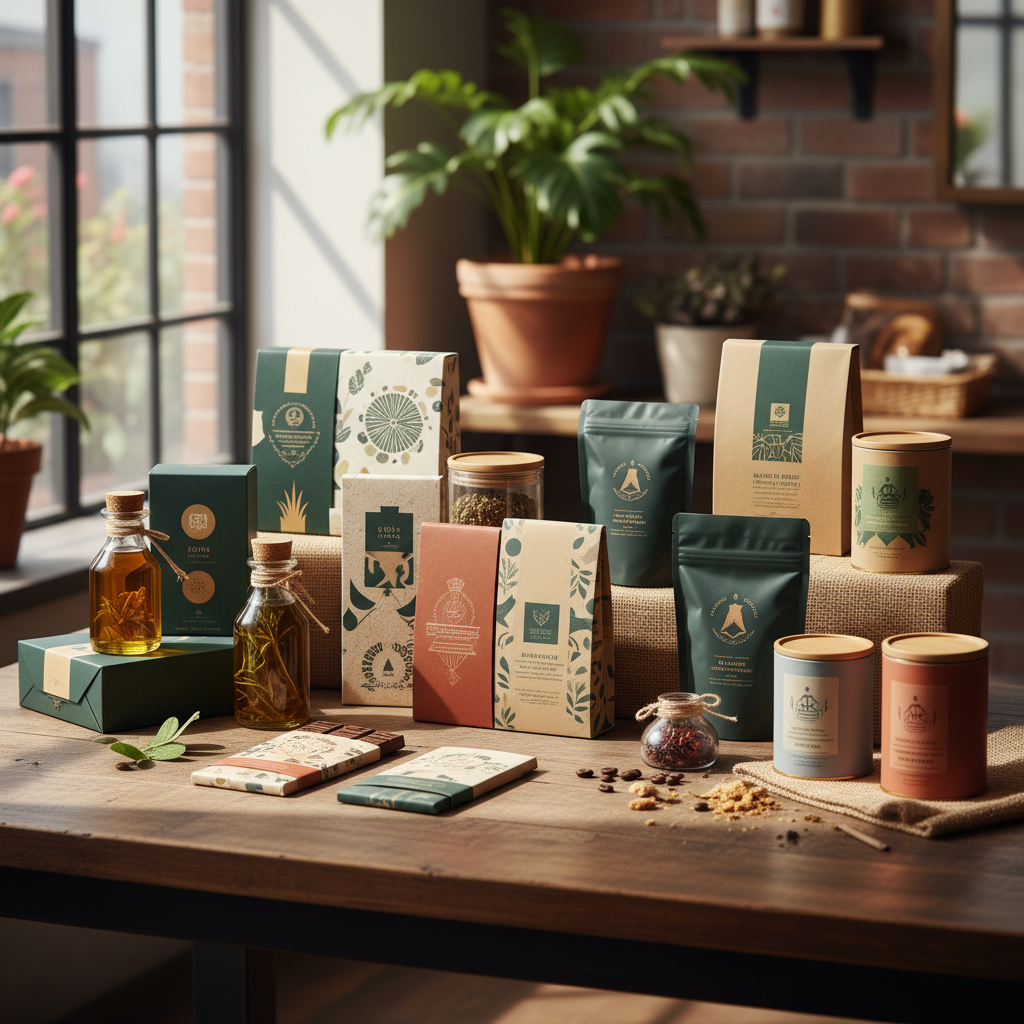
Quick Look: The 7 Key Elements for Premium Food Brand Packaging Design
Here’s a brief overview of the essential components that define exceptional packaging for premium food products:
- Authenticity & Transparency – Builds trust by showcasing genuine ingredients and brand story.
- Storytelling Through Design – Connects emotionally by narrating the product’s origin, heritage, or craft.
- Sensory Appeal – Engages touch, sight, and even sound to create a memorable unboxing experience.
- Functionality & Convenience – Prioritizes ease of use, protection, and preservation for a superior customer experience.
- Sustainability & Ethical Sourcing – Appeals to conscious consumers with eco-friendly materials and practices.
- Brand Consistency & Recognition – Ensures a cohesive visual language across all products for instant brand recall.
- Premium Finishes & Materials – Elevates perceived value through high-quality textures, prints, and structural integrity.
Deep Dive: Unpacking Each Essential Element
Each of these elements plays a vital role in crafting packaging that truly stands out. Let’s explore them in detail.
1. Authenticity & Transparency
- Importance: In an era of increasing consumer skepticism, authenticity is paramount. Premium food brands often boast unique origins, artisanal processes, or exceptional ingredients. Packaging that clearly communicates these truths builds immediate trust and connection.
- Key Aspects: This element involves honest visual cues, clear labeling of ingredients and sourcing, and a genuine tone of voice. Minimalist designs, natural textures, and visible windows can contribute to an authentic feel, allowing the product to speak for itself.
- Impact: Authenticity resonates with consumers seeking genuine experiences and wholesome products. It helps to validate the premium price point by highlighting the integrity and quality behind the brand.
2. Storytelling Through Design
- Importance: A compelling story transforms a product from a commodity into an experience. For premium food, the narrative can be about heritage, the passion of the makers, the unique region of origin, or the journey of its ingredients. Packaging is the primary medium to convey this.
- Key Aspects: This can manifest through custom illustrations, evocative photography, hand-drawn typography, or concise, engaging text that tells the brand’s unique tale. Consider the emotional connection you want to forge and weave that into every visual and textual detail.
- Impact: Storytelling creates an emotional bond with consumers, making the product more memorable and fostering loyalty. It differentiates your brand from competitors who may offer similar products but lack a narrative depth.
3. Sensory Appeal
- Importance: Premium products are about more than just taste; they engage all senses. Packaging should extend this experience beyond the culinary, inviting touch, sight, and even sound (like the satisfying rip of a seal) before consumption.
- Key Aspects: Think about textured papers, embossed logos, matte or gloss finishes, unique structural forms, and even unexpected opening mechanisms. The weight, feel, and visual richness of the packaging contribute significantly to the perceived quality and luxury.
- Impact: Engaging multiple senses elevates the unboxing and initial interaction, creating a memorable moment that enhances the overall premium perception. This tactile and visual pleasure reinforces the product’s value.
4. Functionality & Convenience
- Importance: While aesthetics are crucial, premium packaging must also excel in practical utility. It needs to protect the product effectively, maintain freshness, and offer convenience for the consumer, justifying the investment.
- Key Aspects: This includes features like resealable closures, easy-pour spouts, durable materials that prevent damage, and designs that fit well in pantries or refrigerators. Consideration for shelf life, transport, and ease of use post-purchase are critical.
- Impact: High-quality functionality prevents spoilage and frustration, enhancing the user experience. It shows attention to detail beyond just the aesthetic, reinforcing the brand’s commitment to quality and consumer satisfaction.
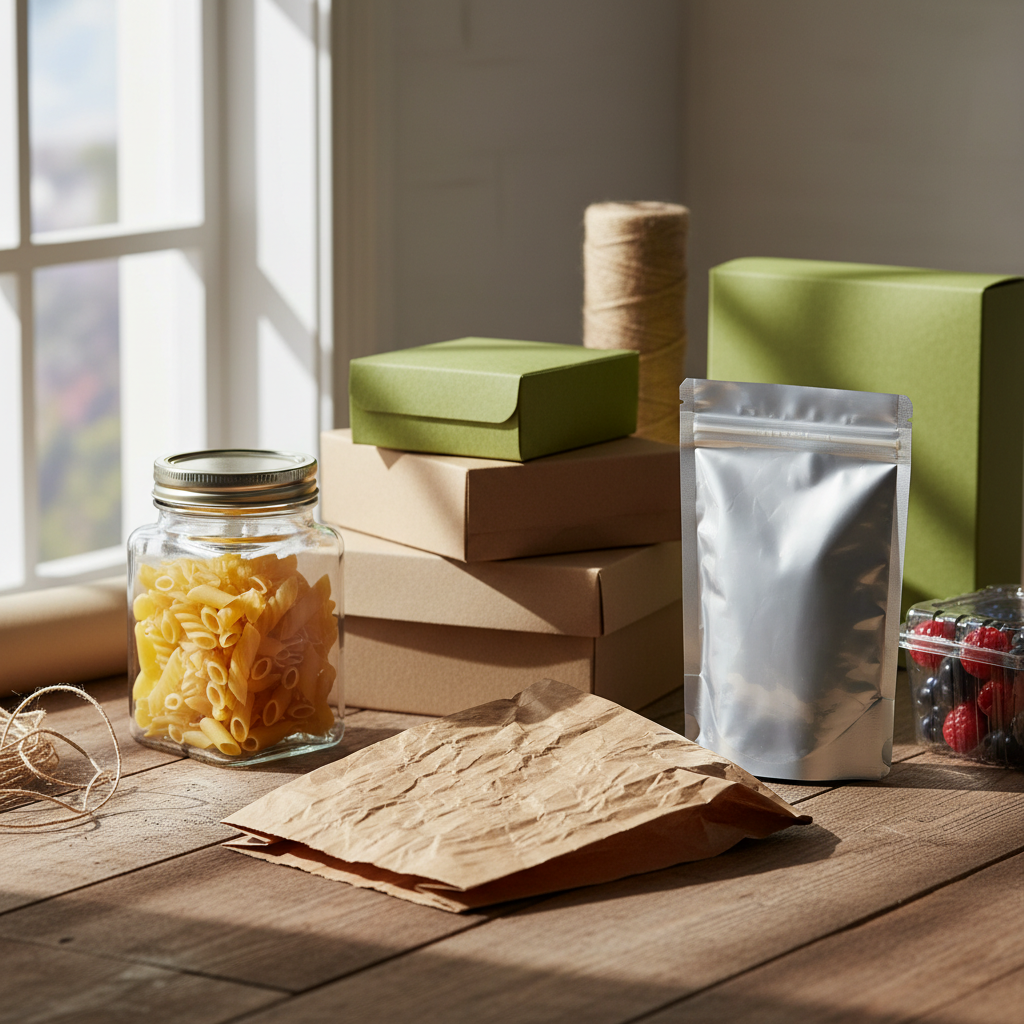
5. Sustainability & Ethical Sourcing
- Importance: A growing segment of premium food consumers prioritizes ethical and environmental responsibility. Packaging that reflects these values adds significant appeal and aligns with modern consumer consciousness.
- Key Aspects: This involves using recycled, recyclable, compostable, or biodegradable materials. Transparent communication about sustainable practices, certifications, and efforts to reduce environmental impact is also vital. Sourcing materials ethically and locally can also be highlighted.
- Impact: Sustainability enhances brand reputation, attracts eco-conscious consumers, and can open new market segments. It demonstrates a forward-thinking approach and a commitment to global well-being, which many premium buyers value highly.
6. Brand Consistency & Recognition
- Importance: For premium brands, a cohesive visual identity across all touchpoints, especially packaging, is non-negotiable. Consistent branding builds recognition, trust, and a strong market presence.
- Key Aspects: This involves maintaining a unified color palette, typography, logo placement, and overall design language across your entire product line. Every new product packaging should feel like an extension of your existing brand family.
- Impact: Consistency makes your brand instantly recognizable and trustworthy. It simplifies consumer choice by signaling reliability and quality, reinforcing the premium status with every interaction. Learn more about developing strong brand identity on our design solutions page.
7. Premium Finishes & Materials
- Importance: The tactile and visual quality of materials and finishes is often the most immediate indicator of a product’s premium status. These choices subtly communicate luxury, craftsmanship, and attention to detail.
- Key Aspects: Think about options like soft-touch coatings, metallic foils, spot UV varnish, embossing or debossing, special papers, thick cardstock, glass, or bespoke custom molds. The quality of printing and ink vibrancy also plays a significant role.
- Impact: High-end finishes and materials elevate the perceived value of the product before it’s even opened. They convey an impression of sophistication and quality, justifying the premium price point and enhancing the desire for the product. Explore more about packaging materials on Wikipedia’s Packaging and Labelling page.
Best Packaging Design Approaches for Different Scenarios
Tailoring your packaging strategy to specific brand situations ensures maximum impact and relevance.
- For a New Product Launch: Emphasis on Storytelling & Sensory Appeal
When introducing something entirely new, your packaging needs to capture attention and tell your story instantly. Focus on unique visual narratives, bespoke illustrations, and engaging textures to create a memorable first impression that educates and entices. - For Rebranding or Modernization: Focus on Brand Consistency & Premium Finishes
A rebrand is an opportunity to refresh while retaining recognition. Update your aesthetic with modern, clean lines and premium finishes, but ensure core brand elements like color palette or logo evolution are consistent with your established identity to avoid alienating existing customers. - For Sustainable Product Lines: Prioritize Sustainability & Authenticity
If your brand’s new line is specifically eco-focused, its packaging must clearly communicate this. Utilize visible recycled content, minimalist design to reduce material use, and transparent messaging about ethical sourcing. Authenticity here builds trust in your green claims. - For Limited Edition or Seasonal Products: Leverage Sensory Appeal & Storytelling
These products thrive on novelty and exclusivity. Use special finishes, unique structural elements, and a compelling, time-sensitive story to create urgency and a sense of occasion. Think about festive colors, seasonal illustrations, or collectible designs.
Getting The Design Right: Practical Steps
Successfully implementing a premium packaging design involves more than just selecting aesthetics. It requires a strategic process.
- Define Your Brand’s Essence: Clearly articulate your brand’s unique selling proposition, values, and the story you want to tell. This foundational understanding will guide all design decisions.
- Understand Your Target Consumer: Conduct thorough market research to know what resonates with your premium audience. What are their preferences, pain points, and expectations when it comes to packaging?
- Collaborate with Expert Designers: Engage with a design agency, like AXAR, that specializes in premium food packaging. They bring expertise in materials, print techniques, and market trends to translate your vision into reality. Find out more about how we can help on our services page.
- Consider Structural Design: Beyond graphics, the physical form of the package is crucial. A unique shape or opening mechanism can significantly enhance the premium feel and functionality.
- Prototype and Test: Always create physical mock-ups of your designs. This allows you to evaluate sensory appeal, functionality, and shelf impact before committing to full production. Gather feedback from potential consumers.
- Source High-Quality Materials and Printers: Premium design demands premium execution. Work with suppliers who can deliver the desired quality for your chosen materials and finishes.
Ensuring Your Packaging Design Remains Effective Long-Term
A great design isn’t a one-and-done project. It requires ongoing attention to maintain its impact and relevance.
- Monitor Market Trends: The design landscape is always evolving. Stay informed about new materials, finishes, and consumer preferences to ensure your packaging doesn’t become dated.
- Gather Consumer Feedback: Actively solicit opinions on your packaging. Does it still resonate? Is it intuitive? This can provide invaluable insights for minor tweaks or future redesigns.
- Maintain Brand Guidelines: As your product line expands or if you work with various partners, strict adherence to brand guidelines ensures consistent execution of your packaging design.
- Consider Seasonal or Limited Editions: To keep your brand fresh and engaging, periodically introduce special packaging for limited editions or seasonal offerings, building excitement without overhauling your core design.
- Review Sustainability Advancements: As new eco-friendly materials and technologies emerge, assess if they align with your brand’s values and could enhance your packaging’s appeal.
Your Next Step Towards Iconic Packaging
Packaging design for premium food brands is an investment that yields significant returns in brand perception, customer loyalty, and sales. By meticulously focusing on authenticity, storytelling, sensory appeal, functionality, sustainability, brand consistency, and premium finishes, you can create packaging that truly embodies the excellence of your product. Don’t let your exceptional food be overlooked due to uninspired design. It’s time to transform your packaging into a powerful statement of quality and distinction.
Ready to elevate your premium food brand with packaging that captivates and converts? Partner with AXAR to bring your vision to life. Contact us today for a consultation and discover how strategic design can define your brand’s future.
Sources
- Food Packaging – Wikipedia
- Brand Management – Wikipedia
- E-commerce – Wikipedia
- Food safety – World Health Organization (WHO)
- Sustainable Packaging – Wikipedia
Frequently Asked Questions (FAQ)
Q1: Why is packaging design so critical for premium food brands specifically?
A1: For premium food brands, packaging is often the first and most direct interaction a consumer has with your product. It must instantly communicate quality, value, and uniqueness to justify a higher price point. It’s crucial for building brand perception, trust, and desire before a product is even tasted.
Q2: How can I make my packaging more sustainable without compromising the premium feel?
A2: Sustainable packaging for premium food brands focuses on innovative materials like mushroom-based packaging, plant-based plastics, or high-quality recycled content. You can maintain a premium feel through thoughtful design, luxurious finishes (like debossing on recycled paper), and clear, honest communication about your eco-friendly choices. Transparency often enhances the premium appeal.
Q3: What role does storytelling play in packaging design for premium food?
A3: Storytelling is vital for premium food brands as it allows consumers to connect with the product on a deeper, emotional level. Whether it’s the heritage of a family recipe, the unique origin of ingredients, or the artisanal process, a compelling narrative woven into the design transforms the product from a mere item into an experience, justifying its premium status.
Q4: Should I prioritize functionality over aesthetics for premium food packaging?
A4: For premium food packaging, neither should be sacrificed. Aesthetics draw the consumer in, but functionality retains them. Your packaging must both look exquisite and perform flawlessly – protecting the product, ensuring freshness, and offering convenience. A balance of both enhances the overall premium experience.
Q5: How often should a premium food brand consider updating its packaging design?
A5: There’s no fixed rule, but generally, packaging updates should be considered every 3-5 years, or when significant market shifts, consumer trends, or brand evolutions occur. Minor refreshes can happen more frequently to keep up with contemporary aesthetics, while major redesigns might coincide with new product launches or a complete rebranding effort. The goal is to stay relevant and engaging without losing brand recognition.