

Imagine walking into a Michelin-starred restaurant. The ambiance is exquisite, the staff are impeccably dressed, and the aroma from the kitchen promises an unforgettable culinary journey. Then, you’re handed a menu – flimsy, poorly designed, with a jumble of fonts and low-resolution images. Suddenly, that premium experience takes a noticeable dip. This jarring inconsistency isn’t just a minor detail; a poorly executed menu can actively undermine your brand’s hard-earned reputation, erode customer trust, and even impact your bottom line. For a premium restaurant, every touchpoint is a brand statement, and your menu speaks volumes about your attention to detail and commitment to excellence.
The Problem: Your Menu is More Than Just a List of Dishes
For many restaurant owners, the menu is simply a functional document: a list of available food and beverages with their prices. However, this perspective fundamentally undervalues its role in the overall dining experience, especially for premium establishments. A poorly conceived menu can manifest in several damaging ways. It might feature illegible typography, inconsistent branding elements, or materials that feel cheap and disposable. Perhaps the layout is confusing, making it difficult for patrons to navigate options or understand specials, leading to frustration rather than delight. Moreover, a menu that lacks a coherent design strategy fails to communicate the unique story and ethos of your restaurant. It misses a crucial opportunity to showcase your culinary artistry, highlight signature dishes, and reinforce the luxurious atmosphere you’ve meticulously crafted. When the menu falls short, it creates a disconnect between your restaurant’s aspirations and the customer’s perception, leaving them with an impression of mediocrity, even if the food itself is exceptional. This silent misalignment can directly impact average check size and repeat business.
Why This Keeps Happening: Common Pitfalls in Menu Creation
The challenge of achieving a truly premium restaurant menu design strategy often stems from several common, yet avoidable, pitfalls. Firstly, many businesses underestimate the complexity and specialized skill required for effective graphic design, especially when it comes to communicating a high-end brand. They might default to a do-it-yourself approach using generic templates or rely on internal staff without professional design expertise, hoping to save costs. However, this often leads to an amateurish result that ultimately costs more in lost opportunities and brand dilution. Secondly, there’s a frequent oversight in integrating the menu design seamlessly with the restaurant’s overarching brand identity and interior aesthetics. A menu should not exist in isolation; it must be an extension of the decor, service, and culinary philosophy. Without a holistic approach, menus can feel generic, failing to reflect the restaurant’s unique personality and premium positioning. Thirdly, businesses sometimes view menu design as a one-time expense rather than a continuous marketing and sales tool. They might resist investing in high-quality materials, professional photography, or expert menu engineering, missing the potential for increased profitability and an enhanced customer journey. This lack of strategic foresight prevents the menu from performing its critical role in elevating the dining experience and driving sales for a premium restaurant.

The Short Answer: Strategic Design Elevates Perception and Profit
The immediate solution to an underperforming menu lies in embracing a strategic and professional design approach. For a premium restaurant, the menu is not merely a transactional list; it is a vital branding tool, an immersive sensory experience, and a powerful sales driver. A well-designed menu elevates customer perception, reinforcing the luxury and quality promised by your brand from the moment it’s presented. It acts as a visual and tactile extension of your restaurant’s identity, speaking volumes about your commitment to excellence in every detail. Investing in a thoughtful premium restaurant menu design strategy directly impacts your profitability. Strategic layouts can guide diners towards high-margin items, while compelling descriptions ignite desire and encourage exploration. High-quality materials provide a luxurious feel, justifying premium pricing and enhancing perceived value. Ultimately, a menu crafted with intentionality and expertise transforms from a simple document into a captivating centerpiece that enhances the entire dining experience, fostering loyalty and driving revenue growth. It’s an investment that pays dividends by solidifying your brand’s premium status and creating memorable customer interactions.
What The Solution Looks Like In Real Life: A Menu That Sings Your Brand Story
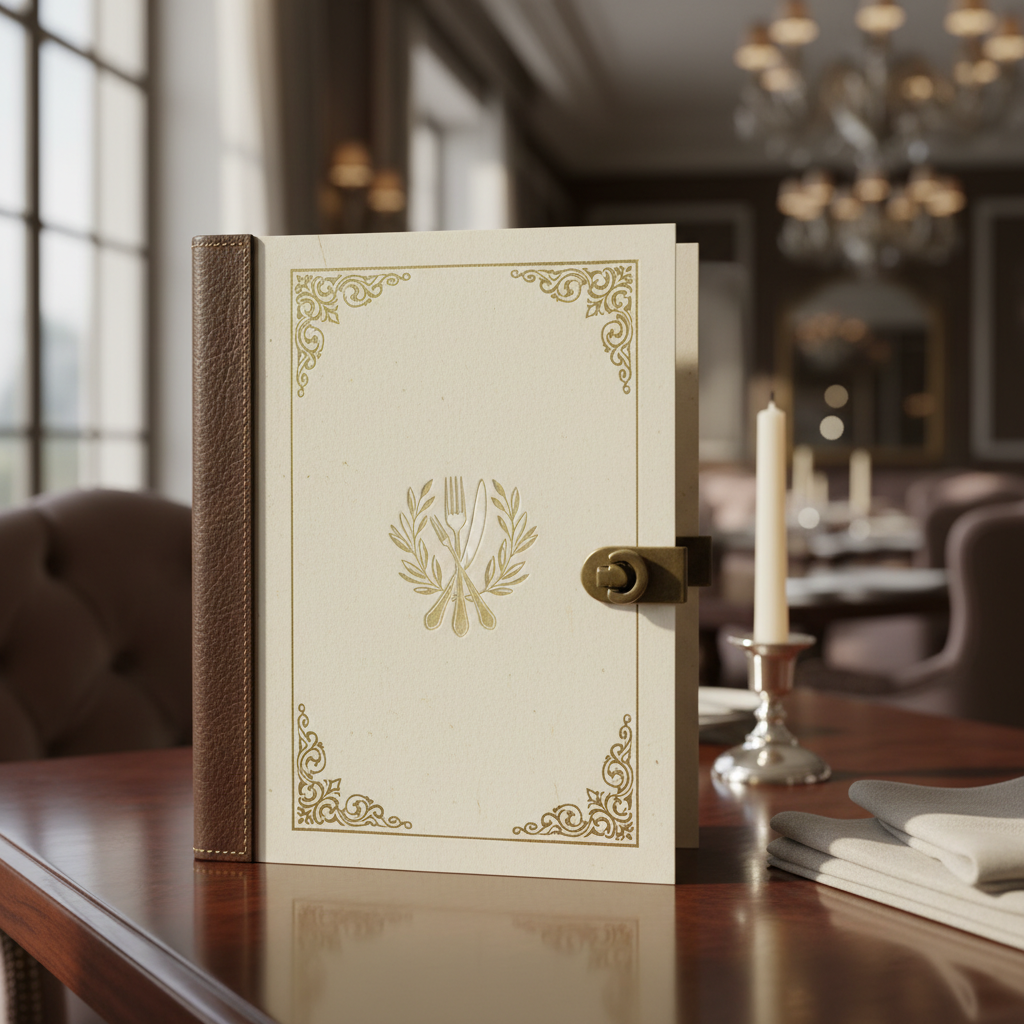
In practice, a successful premium restaurant menu design strategy is a carefully orchestrated symphony of elements that resonate with your brand’s core values. It begins with seamless integration into the restaurant’s physical environment, ensuring the menu’s aesthetic complements everything from the interior design to the table settings. Imagine a menu for a fine dining establishment crafted from exquisite leather or heavy, textured paper, featuring subtle debossing and a refined color palette that echoes the restaurant’s decor. This tactile experience immediately communicates luxury. The typography chosen is not just legible but also aligns with the brand’s voice – elegant serifs for classic sophistication or clean, modern sans-serifs for a contemporary chic feel. Layouts are meticulously planned for flow and clarity, using whitespace effectively to prevent sensory overload and draw the eye to key sections. Dish descriptions are not just informative but evocative, using sensory language that makes the food irresistible. Furthermore, a truly effective menu applies principles of marketing and menu engineering to subtly influence customer choices, highlighting signature dishes or high-profit items without being overt. This holistic approach ensures the menu isn’t just functional, but a captivating narrative that enhances the dining experience and reinforces the restaurant’s premium identity.
Step By Step: Crafting Your Premium Menu Design Strategy
Developing a menu that truly reflects your premium brand requires a structured, thoughtful process. Here are the key steps to implement an effective premium restaurant menu design strategy:
- Define Your Brand Identity and Target Audience: Before any design work begins, crystalize what your brand stands for. What is your restaurant’s unique story, ambiance, and culinary philosophy? Who are your ideal customers, and what are their expectations for a premium dining experience? This foundational understanding will inform every design decision.
- Audit Your Current Menu and Dining Experience: Critically assess your existing menu. What works, what doesn’t? How does it integrate with your current decor, service style, and customer flow? Gather feedback from staff and a select group of trusted customers to identify pain points and opportunities for improvement.
- Research Design Trends and Competitors: Explore innovative menu designs from leading premium restaurants globally. Understand current trends in typography, materials, and layout, but also identify timeless design principles. Analyze what your direct competitors are doing well, and where you can differentiate your offering through superior design.
- Collaborate with Professional Designers: This is a critical step. Engage an experienced design agency like AXAR’s Design Solutions that specializes in hospitality and understands the nuances of premium branding. Provide them with your brand guidelines, target audience insights, and menu content. Their expertise will translate your vision into a tangible, impactful design.
- Select Materials and Printing Techniques: High-quality design deserves high-quality execution. Work with your designers to choose premium materials (e.g., specific paper stocks, leather, wood, specialty laminates) and printing techniques (e.g., embossing, debossing, foil stamping) that align with your brand’s luxury positioning and durability requirements.
- Optimize Layout for Readability and Profit (Menu Engineering): A professional designer will help you apply menu engineering principles. This involves strategically placing high-profit items, using visual cues to draw attention, and designing a clear, intuitive flow that enhances both the customer experience and your restaurant’s bottom line.
- Write Compelling, Evocative Descriptions: Beyond just listing ingredients, craft descriptions that tell a story, highlight provenance, and appeal to the senses. Use rich, engaging language that aligns with your premium brand voice, making each dish sound irresistible and unique.
- Review, Test, and Refine: Once initial designs are ready, conduct thorough internal reviews. Share prototypes with a small focus group for feedback on aesthetics, readability, and overall impact. Be prepared to iterate and refine the design until it perfectly encapsulates your brand and achieves your strategic objectives.
How This Looks For Different Restaurants
A premium restaurant menu design strategy isn’t one-size-fits-all; its execution varies depending on the specific type of establishment and its unique brand identity.
Fine Dining Restaurant: Elegance and Exclusivity
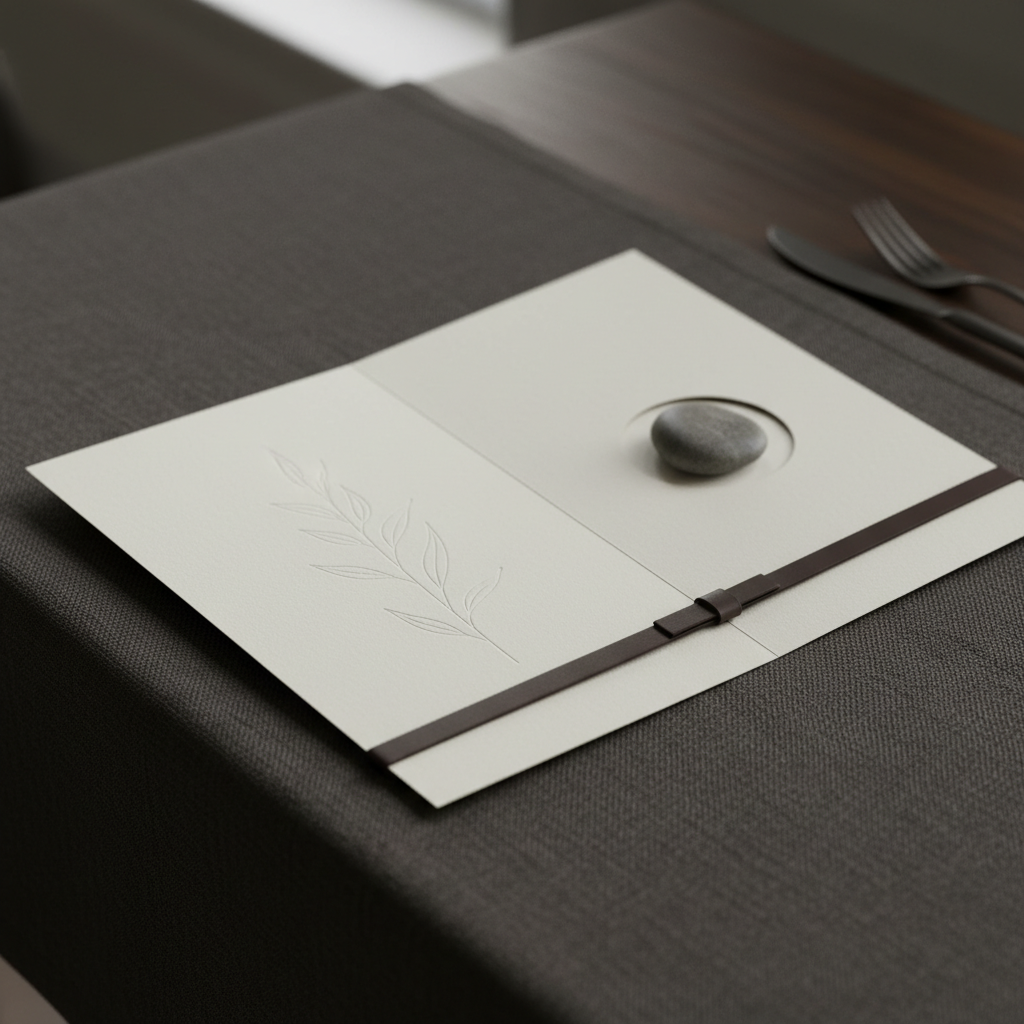
For a fine dining establishment, the menu is an extension of an art piece. The design emphasizes understated elegance, often with minimalist aesthetics. Think heavy cardstock or leather-bound covers, pristine white space, refined serif fonts, and perhaps a subtle metallic foil accent. Dish descriptions are poetic and concise, focusing on premium ingredients and sophisticated culinary techniques. The layout might feature fewer items per page, allowing each dish to breathe and command attention, enhancing a sense of exclusivity.
Trendy Bistro: Modernity and Artistic Flair
A trendy, upscale bistro might opt for a more contemporary and artistic approach. The menu could incorporate unique textures, vibrant (but tasteful) color accents, and a blend of modern sans-serif fonts with a distinctive script for headlines. Sustainability might be highlighted through recycled paper or digital menus accessible via QR codes. Descriptions are engaging and perhaps a bit more playful, yet still conveying quality. The design aims to be visually exciting and Instagram-worthy, reflecting the bistro’s modern, lively atmosphere.
Casual-Upscale Eatery: Approachability with Quality
For an eatery that bridges casual comfort with premium ingredients and elevated service, the menu design strikes a balance. Materials might be durable yet inviting, perhaps a textured paper or a laminated stock that feels substantial. Fonts are clear and readable, combining warmth with a touch of sophistication. The layout is organized and intuitive, with clear categories and perhaps subtle graphical elements that reflect the eatery’s theme. Descriptions are enticing but straightforward, emphasizing fresh, quality ingredients and a welcoming culinary experience. The goal is to convey quality and care without feeling overly formal, ensuring accessibility for a broader premium audience.
What Might Still Be Holding You Back: Addressing Common Objections
Even with a clear understanding of the benefits, restaurant owners might still face internal hurdles when it comes to investing in a premium restaurant menu design strategy.
- “It’s too expensive.” This is a common concern. However, framing menu design as a cost center rather than a revenue-generating asset is a mistake. A well-engineered menu can increase your average check value, improve customer satisfaction, and reduce re-printing costs through durability. The ROI on a professionally designed menu often far outweighs the initial investment by boosting sales and reinforcing your premium brand image.
- “I can do it myself or have my staff handle it.” While admirable to be hands-on, menu design is a specialized skill involving graphic design principles, brand strategy, typography, material selection, and branding psychology. Without expert knowledge, a DIY approach often results in a menu that looks unprofessional, confusing, or fails to convey your brand’s true value, ultimately detracting from the dining experience.
- “We change our menu too often, so a fancy design isn’t practical.” For restaurants with frequently rotating menus, modular design or digital solutions can be highly effective. A core menu design can be established with flexible inserts for specials, or a beautifully designed digital menu on tablets can be easily updated. A robust initial strategy anticipates these needs and builds in flexibility, ensuring longevity and adaptability.
- “People care about the food, not the menu itself.” While the food is paramount, the entire dining experience is holistic. The menu is a critical part of that journey, from the moment it’s presented until the order is placed. It sets expectations, whets appetites, and reinforces the ambiance. Ignoring its design is akin to serving exquisite food on chipped plates; it detracts from the overall perceived quality and the enjoyment of the culinary experience.
Common Mistakes To Avoid in Premium Menu Design
To ensure your premium restaurant menu design strategy genuinely elevates your brand, be vigilant in avoiding these common missteps:
- Overcrowding with Too Many Items: A lengthy, cluttered menu can overwhelm diners, making decision-making difficult and creating a sense of confusion rather than luxury. Less is often more for premium brands.
- Using Illegible or Inconsistent Fonts: Hard-to-read fonts, tiny text, or a jumble of too many different typefaces undermine professionalism and frustrate customers. Consistency is key for brand recognition.
- Low-Quality Imagery or Unnecessary Photography: If you use images, they must be high-resolution, professionally shot, and consistently styled. Poor photography looks cheap, and for some fine dining concepts, no photography at all is more elegant than bad photography.
- Inconsistent Branding and Messaging: The menu must align perfectly with your restaurant’s interior, marketing materials, and service philosophy. Any deviation creates a disjointed brand experience.
- Ignoring Menu Engineering Principles: Failing to strategically place items, use visual cues, or guide the customer’s eye can lead to missed opportunities for profit maximization and a less intuitive browsing experience.
- Skimping on Material Quality: A premium menu requires premium materials. Flimsy paper, worn covers, or poor printing quality immediately detract from the perceived value of your offerings and your brand.
Your Implementation Checklist for a Stellar Menu
Ready to transform your menu into a powerful asset? Use this checklist to guide your premium restaurant menu design strategy:
- Clear brand guidelines and visual identity are defined.
- Target audience profile and their expectations are fully understood.
- A comprehensive design brief has been prepared for your design partner.
- Professional design agency or specialist (like AXAR) has been engaged.
- Material samples and printing techniques have been thoroughly reviewed and selected.
- Menu layout is optimized for readability, flow, and strategic item placement (menu engineering).
- Dish descriptions are compelling, evocative, and proofread for accuracy.
- Pricing strategy is integrated effectively without compromising aesthetics.
- Consideration given to a complementary digital menu or online presence.
- A clear review cycle and approval process are in place before final printing.
Your 7-Day Plan to a Better Menu
Here’s a practical, week-long plan to kickstart your premium restaurant menu design strategy and move towards a menu that truly reflects your brand’s excellence:
- Day 1: Assess and Define. Dedicate time to critically assess your current menu’s strengths and weaknesses. Reaffirm your restaurant’s core brand identity, target demographic, and unique selling propositions. What message should your menu convey?
- Day 2: Research and Inspire. Spend the day researching leading premium restaurant menus and hospitality design trends. Collect examples of layouts, typography, and material choices that resonate with your brand vision. Look at what competitors are doing effectively.
- Day 3: Outline Content and Structure. Begin to outline the specific sections and items for your new menu. Consider how you want customers to navigate it. Identify your high-profit items and signature dishes that need to be highlighted.
- Day 4: Draft Your Design Brief. Consolidate all your findings, brand assets, and content into a clear, concise design brief. This document will be essential for communicating your vision to design professionals.
- Day 5: Seek Professional Consultation. Reach out to design specialists like AXAR to discuss your project. Share your design brief and get expert feedback on your initial ideas and the potential scope of work.
- Day 6: Review Initial Concepts/Proposals. Based on your consultation, review any initial design concepts or detailed proposals. Provide constructive feedback, ensuring the designs align with your brand, budget, and strategic goals.
- Day 7: Plan for Material Selection and Printing. Discuss material options, finishes, and printing logistics with your chosen design partner. Understand the timeline and costs involved in bringing your new premium menu to life, ensuring every detail aligns with your quality standards.
Elevate Your Brand: A Menu Designed for Success
Your restaurant’s menu is far more than a simple list; it is a powerful ambassador for your brand, a silent salesperson, and a critical component of the overall dining experience. A premium restaurant menu design strategy is not an extravagance, but a strategic imperative that directly impacts customer perception, satisfaction, and ultimately, profitability. By investing in thoughtful design, quality materials, and expert execution, you transform a functional item into a captivating brand statement that reinforces your commitment to excellence at every touchpoint. Don’t let an overlooked menu undermine your hard work. It’s time to ensure every element of your restaurant, especially your menu, speaks volumes about the quality and luxury you offer. Partner with AXAR to transform your restaurant’s identity through expert design solutions, ensuring your menu doesn’t just list dishes, but truly tells your unique story.
Sources
Frequently Asked Questions (FAQ)
Q: Why is menu design so important for a premium restaurant?
A: For a premium restaurant, every detail contributes to the overall brand experience. A well-designed menu reinforces your brand’s luxury and quality, enhances customer perception, justifies higher prices, and subtly guides diners towards profitable choices, ultimately increasing satisfaction and revenue.
Q: What is menu engineering, and how does it relate to design?
A: Menu engineering is a strategic approach to menu design that analyzes the profitability and popularity of dishes to optimize their placement and presentation. It uses design elements like layout, emphasis, and descriptions to encourage customers to order high-margin items, directly boosting your restaurant’s profitability.
Q: How often should I update my restaurant’s menu design?
A: While menu content might change seasonally, the core design should be durable and timeless. A full redesign might be needed every 3-5 years, or whenever there’s a significant brand refresh, renovation, or change in your restaurant’s concept. Minor updates, like specials inserts, can be integrated more frequently.
Q: Can a well-designed menu really increase sales?
A: Absolutely. A strategic menu design can significantly impact sales by making dishes more appealing through evocative descriptions and high-quality visuals, guiding diners to more profitable items via clever layout and positioning (menu engineering), and by simply enhancing the perceived value of the entire dining experience, encouraging higher spending.
Q: What types of materials are best for a premium restaurant menu?
A: Premium materials include high-quality paper stocks (e.g., heavy cardstock, textured or linen paper), genuine or faux leather, wood, or even specialty synthetic materials that are durable and elegant. The choice should align with your restaurant’s ambiance and brand aesthetic, prioritizing both luxury feel and longevity.