

In the highly competitive world of fine dining, where culinary artistry meets impeccable service, many restaurant owners find themselves puzzled by revenue plateaus despite rave reviews. The exquisite ingredients are sourced, the ambiance is meticulously crafted, and the staff embodies professionalism, yet the average check size or overall profitability isn-t quite hitting the mark. This common dilemma often points to an overlooked, yet incredibly powerful, silent salesperson: the menu itself. A poorly designed menu isn-t just a minor oversight; it-s a significant missed opportunity that directly hampers the menu design impact fine dining revenue. It can confuse guests, obscure your most profitable dishes, and fail to communicate the true value of your establishment.
At AXAR, we understand that your menu is far more than a list of dishes-it’s a strategic marketing tool. It guides your patrons through a curated experience, influences their spending habits, and reinforces your brand’s prestige. Ignoring the psychology and aesthetics behind its construction means leaving significant earnings on the table.
The Problem: Underperforming Menus in a Premium Setting
Imagine a guest settling into your beautifully appointed dining room, eager for an exceptional experience. They open your menu, expecting clarity and allure, but instead, they are met with a cluttered layout, an overwhelming number of choices, or descriptions that fail to ignite their imagination. Perhaps your high-margin dishes are buried amidst less profitable options, or your signature chef-s specials aren’t highlighted effectively. This scenario is unfortunately common, even in premium establishments. Guests might feel pressured to choose quickly, or they default to familiar, lower-priced items, simply because the menu doesn-t compellingly guide them towards a more adventurous or profitable selection. This lack of strategic direction directly undermines the potential menu design impact fine dining revenue, turning a crucial touchpoint into a bottleneck for profitability.
The consequences extend beyond immediate sales. A confusing menu can lead to a less satisfying customer experience, as guests struggle with choices or feel they missed out on something special. It can also strain your kitchen and front-of-house staff, who may spend more time clarifying options rather than focusing on service excellence. Ultimately, an unoptimized menu dilutes the luxurious experience you strive to provide, making it harder to justify premium pricing and encourage repeat visits.
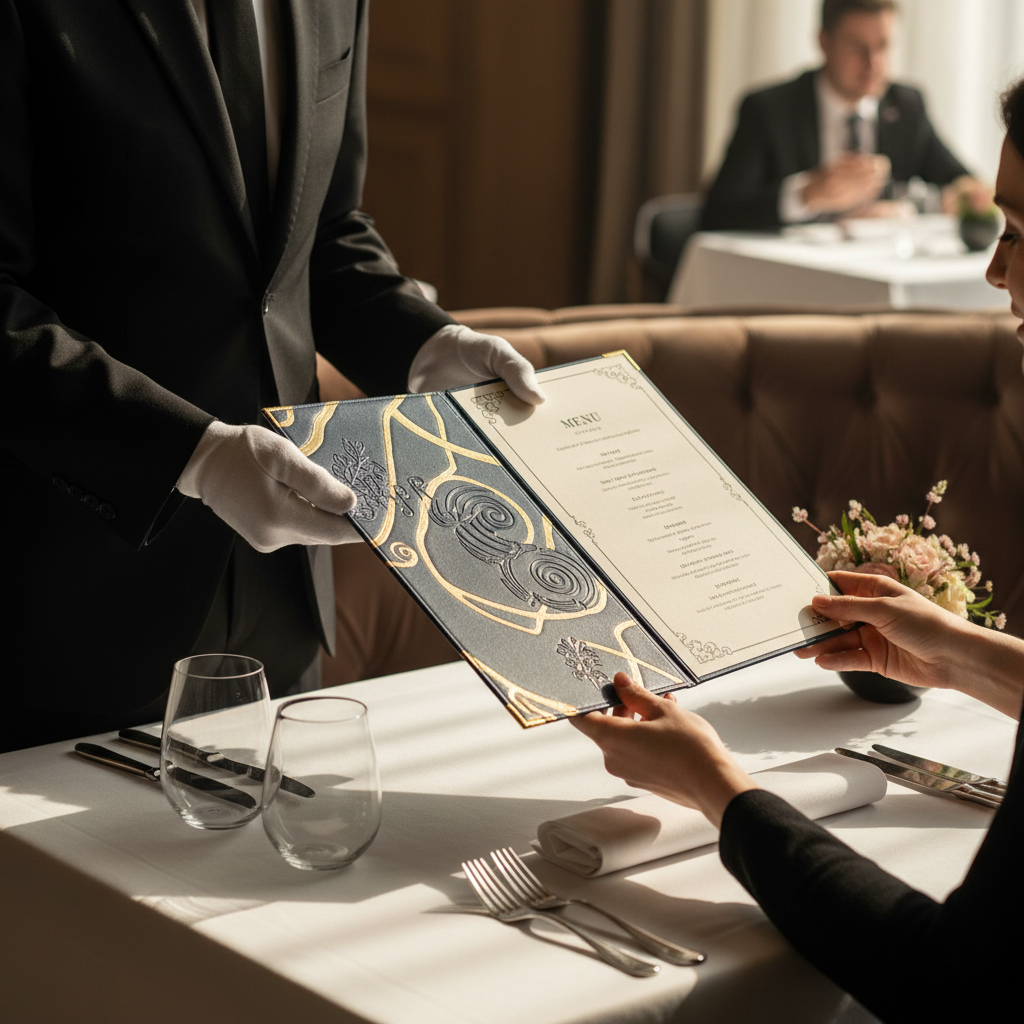
Why This Keeps Happening: Overlooking Strategic Menu Psychology
The pitfalls of underperforming menus often stem from several fundamental oversights, none of which are typically the fault of the restaurateur-s passion or culinary skill. These issues arise from a failure to recognize the menu-s full potential as a sophisticated sales instrument.
Here are some key reasons why many fine dining menus fall short:
- Treating the Menu as a Mere List, Not a Sales Tool: Many restaurateurs see their menu primarily as an informational document-a catalog of available dishes and their prices. They fail to apply marketing and sales principles to its design, missing opportunities to influence consumer behavior and highlight profitability.
- Lack of Understanding of Menu Engineering Principles: This scientific approach to menu design combines profitability and popularity data to strategically place items, yet it-s often overlooked. Without it, menus are designed based on aesthetics alone, neglecting the crucial financial implications.
- Failure to Align Menu with Brand Story and Pricing Strategy: The menu should be an extension of your restaurant’s narrative, ambiance, and pricing philosophy. When it doesn-t consistently reflect your brand-s premium identity or validate higher price points through perceived value, it creates disconnect and buyer hesitation.
- Not Leveraging Visual Cues and Psychology: Elements like eye-tracking patterns, color psychology, font choices, and strategic placement of dish descriptions can profoundly impact what guests order. Ignoring these psychological triggers means losing a powerful tool to guide purchasing decisions and boost the menu design impact fine dining revenue.
- Overwhelming Guests with Too Many Choices: While variety seems appealing, too many options can lead to decision paralysis, causing guests to either choose a default, less profitable item, or feel overwhelmed and less satisfied with their choice.
These missteps create a ripple effect, preventing the menu from actively contributing to the bottom line and diminishing the overall fine dining experience. Understanding these underlying causes is the first step towards unlocking the true power of your menu.
The Short Answer: Strategic Menu Design is Your Silent Salesperson
The most direct answer to improving your fine dining establishment-s profitability lies in embracing strategic menu design. It transforms your menu from a simple list into a sophisticated, highly effective sales tool that works tirelessly in the background. By applying principles of psychology, design, and menu engineering, a well-crafted menu subtly guides your guests towards higher-margin dishes, enhances their perceived value of your offerings, and reinforces your brand-s luxurious identity. It creates an intuitive, delightful journey through your culinary landscape, ultimately boosting the average check size and overall fine dining revenue without resorting to overt sales tactics. This silent salesperson empowers guests to make choices that are mutually beneficial, leading to increased satisfaction and a healthier bottom line.
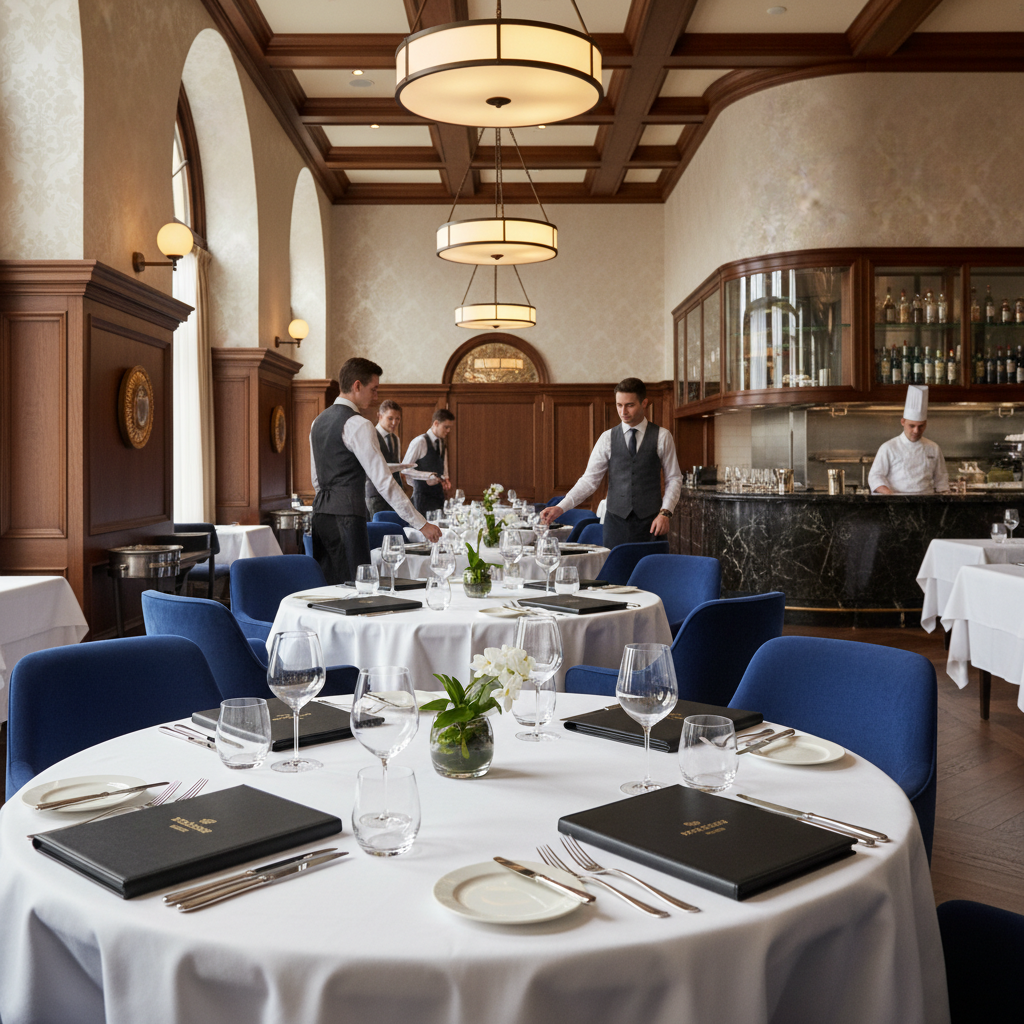
What The Solution Looks Like In Real Life: A Curated Culinary Journey
In a real-world fine dining setting, an optimized menu isn-t just printed paper-it’s an integral part of the guest-s experience from the moment they sit down. It begins with a thoughtful layout that uses visual hierarchy to gently draw the eye towards profitable items. This could mean strategic placement in the “sweet spots” where diners’ eyes naturally gravitate, such as the top right corner or distinct boxes within the menu. Enticing descriptions, rich with evocative language, replace mundane ingredient lists, painting a vivid picture of the dish-s flavors, textures, and origins. These descriptions should highlight unique ingredients, artisanal methods, or local sourcing, adding layers of perceived value.
Consider a fine dining menu that features a limited, curated selection, avoiding overwhelming choice. Dishes are grouped logically-perhaps by course or by a clear culinary theme. Pricing might be strategically presented without leading zeros or currency symbols, subtly de-emphasizing the monetary aspect and focusing on the experience. High-margin items, like a signature tasting menu or a premium wine pairing, are not just listed but are subtly framed as the pinnacle of the culinary experience. The entire design-from the tactile feel of the paper or digital interface to the elegance of the fonts and color palette-is consistent with the restaurant-s brand, reinforcing luxury and exclusivity. This seamless integration of design and psychology elevates the entire dining occasion, making guests feel guided, not pushed, and significantly enhancing the menu design impact fine dining revenue.
Step By Step: Crafting a Revenue-Boosting Menu for Fine Dining
Transforming your menu into a powerful profit-driver requires a structured approach. Here’s how to do it:
- Analyze Your Current Menu Performance (Menu Engineering): Start by gathering sales data for each dish. Categorize items by popularity (how often they-re ordered) and profitability (the gross profit margin per item). This crucial step, known as menu engineering, helps you identify your “stars” (high profit, high popularity), “plowhorses” (low profit, high popularity), “puzzles” (high profit, low popularity), and “dogs” (low profit, low popularity). This data-driven insight is fundamental to understanding the current menu design impact fine dining revenue.
- Understand Your Target Demographic and Their Psychology: Delve into the preferences and behavioral patterns of your fine dining clientele. Are they adventurous foodies, traditionalists, or business diners? Understanding their motivations, dining occasions, and willingness to experiment allows you to tailor your menu’s presentation and language for maximum appeal. Insights into consumer behavior are key here.
- Develop a Clear Brand Narrative: Your menu should tell a story that aligns with your restaurant-s identity. Is it classic French, innovative Californian, or modern fusion? Ensure the language, design elements, and dish naming consistently reflect this narrative. This strengthens your brand and justifies your pricing strategy.
- Optimize Layout and Visual Hierarchy: Design your menu to guide the customer-s eye. Utilize the “golden triangle” (the area eyes typically scan first) or strategic boxing to highlight profitable items. Use white space effectively to prevent clutter and make the menu feel exclusive. Ensure a logical flow from appetizers to desserts.
- Craft Compelling Dish Descriptions: Move beyond simple ingredient lists. Use descriptive, evocative language that appeals to the senses and tells a story about the dish. Highlight unique ingredients, preparation methods, or local sourcing. Focus on benefits and experiences, not just features.
- Implement Psychological Pricing Strategies: Explore techniques like anchoring (placing a very expensive item to make others seem more reasonable), charm pricing (ending prices in .95 or .99), or removing currency symbols. These subtle cues can influence perceived value and encourage higher spending.
- Test, Iterate, and Refine: Menu design is not a one-time task. Implement your new design, monitor sales data, gather customer feedback, and be prepared to make adjustments. Continuous optimization ensures your menu remains a powerful tool for driving fine dining revenue. Consider engaging with design experts like AXAR Design Solutions to refine your approach.
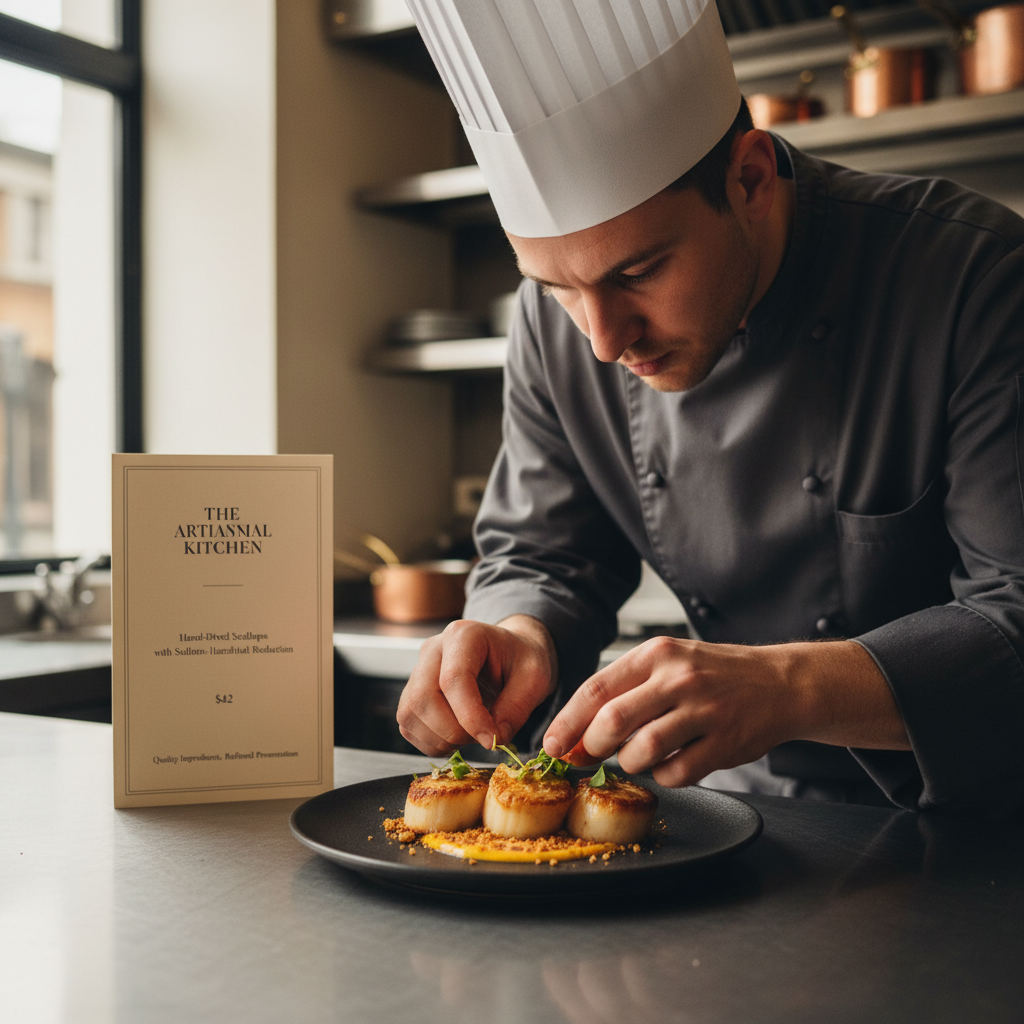
How This Looks For Different People: Tailoring the Menu Experience
A strategically designed menu benefits various types of patrons, subtly enhancing their experience and, by extension, your revenue.
- The First-Time Guest: Guided Discovery For a new diner exploring your fine establishment, a well-structured menu acts as a knowledgeable guide. Clear categories, prominent signature dishes, and enticing descriptions help them navigate unfamiliar territory with confidence. They are gently led to your recommended pairings or chef-s specials, encouraging them to try the best your restaurant has to offer, which often includes higher-margin items. The menu’s elegance itself sets the tone for an exceptional first impression.
- The Regular Patron: Familiarity with New Temptations Your loyal customers appreciate consistency but also crave novelty. A smart menu design ensures that their beloved favorites are easily found while subtly introducing new, seasonal, or premium offerings. Strategic placement and appealing visuals of these new dishes can tempt them to try something different, potentially increasing their average spend on items with a healthy profit margin.
- The Connoisseur: Highlighting Unique, Premium Offerings For the discerning diner, who appreciates quality and exclusivity, the menu design can emphasize rare ingredients, intricate preparation techniques, or limited-availability specials. High-value sections, like curated wine lists or tasting menus, become focal points. The sophisticated presentation validates the premium pricing, reinforcing the restaurant-s reputation for excellence and encouraging selection of top-tier items that significantly impact fine dining revenue.
What Might Still Be Holding You Back: Addressing Common Objections
Even with compelling evidence, some restaurateurs might hesitate to invest in strategic menu design. Let-s address these common concerns:
- “It’s too complex or expensive to redesign our menu.” While an initial investment is required, the return on investment from improved average check sizes and increased sales of high-margin items can be substantial and rapid. Think of it as investing in a highly effective, silent salesperson who works 24/7. Simple tweaks based on menu engineering can yield quick wins, and for comprehensive design, professional services like those offered by AXAR can streamline the process.
- “Our food speaks for itself-we don’t need fancy menu tricks.” Your exceptional cuisine is undoubtedly the star, but the menu is the director. Even the finest dishes can be undersold by a poorly presented menu. Strategic design doesn’t detract from the food; it enhances its perceived value and ensures that guests are fully aware of the culinary artistry awaiting them. It frames your masterpieces perfectly.
- “We don’t want to seem pushy or overly commercial.” The beauty of psychological menu design is its subtlety. It-s about guiding, not pushing. It creates an intuitive, pleasing experience that makes guests feel confident in their choices, rather than pressured. A well-designed menu elevates the perceived value of the dining experience, aligning perfectly with the ethos of fine dining.
Common Mistakes To Avoid in Menu Design
As you embark on optimizing your menu, be aware of these frequent missteps:
- **Too Much Clutter:** Overloading the menu with too many items or unnecessary graphics can overwhelm guests and hide your best offerings.
- **Unclear Pricing:** Using inconsistent font sizes for prices, or placing prices in a way that makes them difficult to compare, can confuse diners.
- **Generic Descriptions:** Vague or uninspired descriptions fail to convey the unique quality and appeal of your fine dining dishes.
- **Ignoring White Space:** Ample white space makes a menu feel elegant, easy to read, and premium. Cramped designs can feel cheap and hurried.
- **Inconsistent Branding:** The menu-s aesthetic should perfectly align with your restaurant-s interior, service style, and overall brand identity.
- **Lack of High-Margin Item Visibility:** Failing to strategically highlight your most profitable dishes means missing direct revenue opportunities.
- **Outdated or Damaged Menus:** A physically worn or dated menu contradicts the premium experience you aim to provide.
Your Implementation Checklist for an Impactful Menu
Use this checklist to ensure you’re covering all bases for a revenue-boosting menu:
- ✓ Menu engineering audit completed to identify “star” dishes.
- ✓ High-profit items identified and marked for strategic placement.
- ✓ Target demographic’s preferences and buying psychology considered.
- ✓ Clear brand narrative and restaurant identity reflected in design.
- ✓ Menu layout optimized for visual flow and eye-tracking.
- ✓ Compelling, descriptive language crafted for each dish.
- ✓ Psychological pricing strategies reviewed and applied.
- ✓ Use of appropriate fonts, colors, and imagery (if applicable).
- ✓ Adequate white space integrated for premium feel.
- ✓ Staff trained on menu highlights and descriptions.
- ✓ Plan for ongoing monitoring and iterative adjustments established.
Your 7 Day Plan: Kickstarting Menu Optimization
Here-s a quick plan to begin optimizing your menu and enhancing your fine dining revenue:
- Day 1: Data Dive and Goal Setting Collect all sales data for the past 3-6 months. Identify your top 10 most popular dishes and your top 10 most profitable dishes. Set a clear goal: e.g., “Increase average check size by 5%.”
- Day 2: Menu Engineering Workshop Categorize every dish using the popularity vs. profitability matrix (stars, plowhorses, puzzles, dogs). Brainstorm ways to promote puzzles, improve plowhorses- profitability, and re-evaluate dogs.
- Day 3: Narrative and Layout Concepting Refine your restaurant-s brand narrative. Sketch out 2-3 new menu layout concepts, focusing on how visual hierarchy can highlight your “star” and “puzzle” dishes.
- Day 4: Description Makeover Rewrite descriptions for your top 5 “star” and “puzzle” dishes. Focus on evocative language, unique ingredients, and sensory appeal. Get feedback from staff.
- Day 5: Pricing Strategy Review Examine your current pricing against competitors and your profit goals. Experiment with psychological pricing tactics like anchoring or subtle price presentations for your new menu concepts.
- Day 6: Internal Mock-up and Feedback Create a digital or print mock-up of your preferred menu concept. Share it with key staff and trusted advisors for feedback on clarity, appeal, and overall impression.
- Day 7: Plan Implementation and Next Steps Finalize your chosen menu design concept. Plan for professional design services if needed (consider contacting AXAR for expert assistance) and prepare for printing or digital implementation. Schedule your first review of performance data.
Investing in thoughtful menu design is not merely an aesthetic choice; it-s a strategic business decision that directly impacts your fine dining establishment-s profitability. By understanding the psychology behind consumer choices and applying proven design principles, you can transform your menu into a powerful tool that guides guests, enhances their experience, and significantly boosts your revenue. Don-t let your menu be a missed opportunity; let it be your most effective salesperson.
Ready to unlock the full potential of your fine dining menu? Explore how AXAR-s expertise in design and strategy can craft a menu that truly elevates your brand and your bottom line.
Sources
FAQ
Q: What is menu engineering and why is it important for fine dining?
A: Menu engineering is a strategic approach that analyzes the profitability and popularity of each dish on your menu. For fine dining, it’s crucial because it helps identify high-profit items (“stars” and “puzzles”) and guides their strategic placement and promotion. This ensures that guests are subtly encouraged to order dishes that maximize your revenue while maintaining the quality experience expected in a premium setting.
Q: How can psychological pricing strategies benefit my fine dining restaurant?
A: Psychological pricing uses subtle cues to influence perception of value and encourage spending. In fine dining, this might involve anchoring (placing a very expensive item to make others seem more reasonable), removing currency symbols to focus on the experience, or strategically presenting prices to de-emphasize the monetary aspect. These methods can increase perceived value and average check size without making guests feel pressured.
Q: Should my fine dining menu be digital or physical?
A: Both have their merits. Physical menus offer a tangible, luxurious experience, allowing for high-quality paper and tactile design that reinforces brand prestige. Digital menus (e.g., via tablet or QR code) offer flexibility for updates, detailed descriptions, and high-quality imagery. Many fine dining establishments opt for a hybrid approach, using elegant physical menus for initial presentation and digital options for wine lists or specials.
Q: How often should I update my fine dining menu design?
A: While the culinary offerings might change seasonally, the core design principles and layout should be reviewed annually or biannually. A complete redesign might be necessary every 3-5 years or if there’s a significant brand refresh. However, continuous monitoring of sales data allows for iterative minor adjustments to descriptions or item placement to maintain optimal performance.