

For a premium D2C brand in the fine dining sector, the menu is far more than a mere list of dishes and prices. It is a critical touchpoint, a silent salesperson, and an integral part of the guest’s culinary journey. Without a strategic approach, even the most exquisite cuisine can fall flat, failing to communicate its true value or inspire the desired excitement. Many establishments struggle to create a menu that truly reflects their brand’s ethos, captivates their diners, and optimizes profitability.
At AXAR, we understand that mastering fine dining menu design is paramount to crafting an unforgettable experience. It requires a meticulous blend of culinary artistry, psychological insight, and sophisticated branding. This comprehensive guide will delve into the intricacies of developing a menu design strategy that not only presents your offerings beautifully but also enhances the guest experience, boosts your brand’s prestige, and drives business success.
What Is Fine Dining Menu Design Strategy?
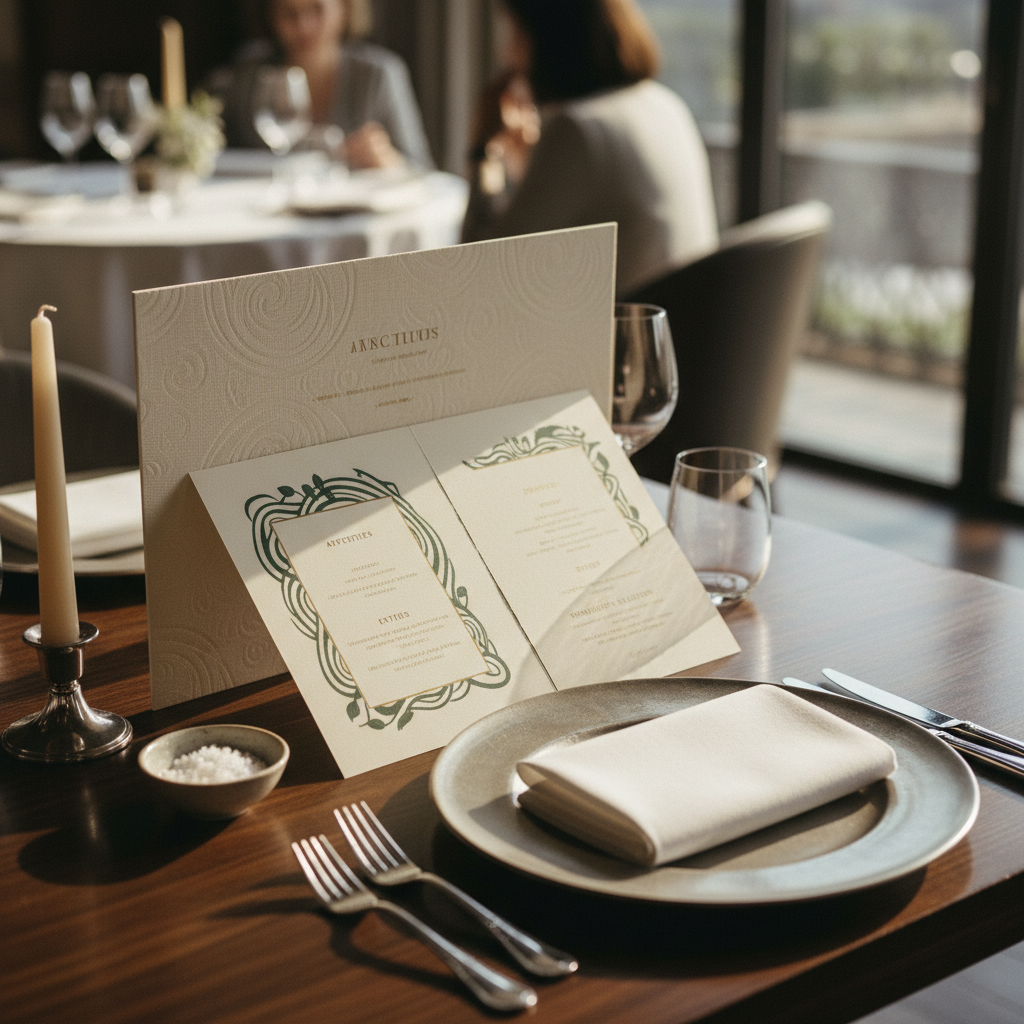
Fine dining menu design strategy is a holistic and intentional approach to creating a menu that transcends simple utility. It involves the thoughtful integration of visual aesthetics, psychological principles, brand storytelling, and operational considerations to curate a cohesive and compelling guest experience. This strategy goes beyond choosing fonts and colors; it’s about crafting an immersive narrative that begins the moment a guest picks up the menu.
The core objective is to guide the diner through a carefully orchestrated culinary journey, influencing their choices, communicating the restaurant’s unique identity, and ultimately enhancing their overall satisfaction. It encompasses everything from the physical material and texture of the menu to the nomenclature of dishes, the flow of information, and the strategic placement of pricing.
How Fine Dining Menu Design Strategy Actually Works
A successful fine dining menu design strategy functions as a multi-layered tool, leveraging several core pillars to achieve its objectives. It’s a delicate balance between art, science, and business acumen, all working in concert to elevate the dining experience.
Pillar 1: The Psychology of Choice
This pillar harnesses principles of cognitive psychology to influence guest decisions subtly. Techniques like “menu engineering” involve strategically placing high-profit, popular items in the “sweet spots” where eyes naturally fall (often the upper right corner or center of a page). Price anchoring uses a very expensive item to make other dishes seem more reasonable. Limiting choices can reduce decision fatigue, while descriptive language can enhance perceived value.
Understanding how diners read and react to menus is crucial. For more insight into these principles, consider exploring resources on cognitive psychology and consumer behavior.
Pillar 2: Brand Storytelling & Identity
The menu is a direct extension of your restaurant’s brand. Every element, from the paper stock to the tone of voice in dish descriptions, should reinforce your unique story, culinary philosophy, and aesthetic. Whether it’s a narrative about locally sourced ingredients, the chef’s heritage, or a specific cultural theme, the menu helps to immerse the guest in your brand’s world. Consistency here builds trust and strengthens your restaurant’s identity.
Pillar 3: Operational Efficiency & Profitability
A well-designed menu is also a powerful business tool. It considers kitchen logistics, ingredient availability, and cost-effectiveness. Strategic grouping of dishes, clear categorization, and the balance of ingredient usage across the menu can streamline kitchen operations and reduce waste. Ultimately, it aims to maximize the average check and overall profitability without compromising guest satisfaction or perceived value.
Pillar 4: Guest Experience Flow
The menu should guide the guest effortlessly from appetizers through to desserts, accommodating various dietary needs and preferences discreetly. Clear sections, intuitive navigation, and thoughtful presentation ensure a smooth and enjoyable ordering process. It anticipates guest questions and provides necessary information without overwhelming them, creating a seamless part of their design experience.
Pillar 5: Sensory Engagement
Fine dining is a multi-sensory experience, and the menu itself contributes significantly. The tactile feel of high-quality paper or leather, the clarity of the typography, and the absence of distracting visuals all contribute to a sophisticated sensory journey. This engagement starts before the food even arrives, setting expectations and enhancing anticipation.
How To Apply Fine Dining Menu Design Strategy Step By Step
Crafting an effective fine dining menu design involves a structured, thoughtful process. Here are the key steps:
- Define Your Concept & Brand Identity: Before anything else, solidify your restaurant’s core concept, culinary philosophy, target audience, and brand personality. What story do you want to tell? What emotions should guests feel? This foundation will inform every subsequent design decision.
- Research & Understand Your Target Audience: Who are your diners? What are their expectations, preferences, and price sensitivities? Understanding their demographics and psychographics will help tailor the menu’s language, pricing, and overall presentation to resonate deeply with them.
- Curate Your Culinary Offerings: Collaborate closely with your chef to finalize the dishes. Focus on seasonality, ingredient quality, and the overall balance of flavors and textures across the menu. Ensure there’s a compelling variety without overwhelming choices. Each dish should reflect your brand’s unique culinary signature.
- Structure & Layout with Visual Hierarchy: Plan the menu’s layout meticulously. Use clear headings, white space, and visual cues to guide the diner’s eye. Group similar items logically. Decide on the number of pages, whether it’s a single sheet, a booklet, or a digital tablet. Prioritize readability and ease of navigation.
- Craft Compelling Descriptions: Move beyond simple ingredient lists. Use evocative, descriptive language that paints a picture and stimulates the senses. Highlight unique ingredients, preparation methods, and the story behind a dish. Avoid jargon or overly flowery prose; aim for sophistication and clarity.
- Strategize Pricing with Psychology in Mind: Price your dishes not just based on cost, but also on perceived value and psychological principles. Consider removing currency symbols, aligning prices rather than stacking them, and strategically placing high-margin items. Understand the principles of menu engineering to optimize profitability.
- Select Premium Materials & Finishes: The physical menu is a tangible representation of your brand’s quality. Choose materials (paper, leather, wood, digital screens) that align with your restaurant’s aesthetic and convey luxury. Pay attention to typography, color palette, and any subtle branding elements. These details contribute significantly to the sensory experience.
- Test, Gather Feedback, & Refine: Before a full launch, test the menu with a small group of trusted individuals or soft launch. Gather feedback on readability, clarity, appeal, and overall impression. Be prepared to iterate and refine your design based on insights and evolving culinary trends.

Common Mistakes And Myths in Fine Dining Menu Design
Even seasoned restaurateurs can fall prey to common pitfalls when designing their fine dining menus. Avoiding these mistakes is crucial for success:
- Underestimating the Menu’s Power: A common myth is that the menu is just a list. In reality, it’s a powerful marketing, sales, and branding tool that sets expectations and drives profitability.
- Overcrowding the Menu: Too many options can overwhelm diners, leading to decision paralysis and a less enjoyable experience. A curated selection speaks to confidence and quality.
- Ignoring Pricing Psychology: Simply listing prices without strategic placement or formatting misses opportunities to influence spending and enhance perceived value. Removing dollar signs, for instance, can subtly encourage higher spending.
- Inconsistent Branding: If the menu’s aesthetic, tone, or overall feel doesn’t align with the restaurant’s decor, service style, or culinary philosophy, it creates a disjointed and confusing brand experience.
- Neglecting Readability and Accessibility: Overly ornate fonts, poor color contrast, small text, or complex layouts can make the menu difficult to read for many guests, detracting from their experience.
- Believing “Expensive Ingredients Automatically Mean a Great Menu”: While quality ingredients are essential, without thoughtful presentation, compelling descriptions, and strategic pricing, even the finest ingredients can fail to impress on paper.
Real Life Scenarios
Understanding how menu design strategy applies in different contexts can illuminate its power:
A New Upscale Bistro Opening
A new bistro, aiming for a “modern European with local twists” concept, needs its menu to establish its identity immediately. Their strategy involves a minimalist design, premium recycled paper, and dish names that hint at the local sourcing without being overly explicit. Each dish description tells a mini-story about a key ingredient’s origin, building a connection with the diner. Prices are subtly rounded, avoiding decimals, to suggest a focus on quality over precise cost analysis.
An Established Michelin-Starred Restaurant Refreshing Its Menu
A long-standing establishment known for avant-garde cuisine decides on a menu refresh. Their strategy focuses on enhancing the narrative of the chef’s seasonal journey. The new menu might feature a sleek digital tablet with elegant animations for each course, or a hand-bound book with custom illustrations that evolve with the seasons. The language becomes even more poetic, describing textures and aromas as much as ingredients, reflecting their commitment to gastronomy as an art form.
A Boutique Hotel Dining Experience
A boutique hotel integrates its fine dining restaurant as a core part of the guest stay. The menu design strategy here emphasizes synergy with the hotel’s overall ambiance and brand. Perhaps the menu’s cover material mirrors the hotel’s lobby decor, and dish names subtly reference local landmarks or the hotel’s history. The menu is designed to be easily accessible from in-room tablets, ensuring a seamless luxury experience whether dining in or ordering room service.
AXAR’s Approach to Fine Dining Menu Design
At AXAR, we believe that exceptional fine dining experiences are crafted through meticulous attention to detail at every touchpoint. Our approach to menu design strategy is rooted in a deep understanding of your brand’s unique vision, combined with cutting-edge insights into consumer psychology and design excellence.
We work collaboratively with restaurateurs and chefs to translate culinary artistry into a captivating visual and narrative journey. From initial concept development to material selection and final execution, our team ensures that every element of your menu strategically communicates your brand’s prestige, enhances guest satisfaction, and optimizes profitability. We don’t just design menus; we engineer dining experiences.
Leveraging our expertise in design solutions, we create menus that are not only aesthetically stunning but also functionally brilliant, driving engagement and reinforcing your restaurant’s position as a leader in fine dining. Our goal is to empower your brand to leave an indelible mark on every guest, long after their last course.
Still Not Sure? Addressing Your Concerns
It’s natural to have questions about investing in a comprehensive menu design strategy. Here are some common concerns we address:
- “Isn’t this just graphic design? My in-house team can handle it.”
While graphic design is a component, fine dining menu design strategy is far more profound. It integrates culinary vision, brand storytelling, psychology, and business objectives. We provide a holistic approach that goes beyond aesthetics to strategic impact. - “My chef already knows what they want on the menu.”
That’s excellent! Our role isn’t to dictate your culinary offerings, but to enhance how they are presented. We work alongside your chef to ensure their creations are communicated in the most compelling and profitable way, elevating their vision through strategic design. - “What’s the measurable ROI of such a detailed menu strategy?”
A well-executed menu design strategy can lead to increased average check values, higher sales of high-margin items, improved guest satisfaction (leading to repeat visits and positive reviews), and stronger brand loyalty. It transforms a functional item into a powerful revenue driver and brand ambassador.
Making It Work Long Term: Care and Adaptation
A fine dining menu design strategy isn’t a one-time project; it’s an ongoing commitment to excellence. To ensure its long-term success:
- Regular Review and Updates: Periodically review your menu’s performance, profitability, and guest feedback. Menus should evolve with seasonal ingredients, culinary trends, and changing customer preferences.
- Material Maintenance: If using physical menus, ensure they are kept in pristine condition. Worn, smudged, or outdated menus detract from the luxury experience. Invest in durable materials or plan for regular replacement.
- Staff Training: Your front-of-house team should be intimately familiar with the menu’s structure, dish descriptions, and any underlying brand stories. Their ability to articulate and sell the menu items is crucial to the strategy’s success.
- Adaptability for Special Events: Have a flexible framework that allows for seamless integration of special tasting menus, wine pairing suggestions, or event-specific offerings without compromising the core design integrity.
Craft Your Culinary Narrative with AXAR
Your fine dining menu is a powerful narrative awaiting its perfect presentation. By embracing a strategic approach to menu design, you can transform a simple list into an unforgettable part of your guests’ culinary journey, reinforcing your brand’s luxury and driving sustained success. Ready to elevate your dining experience?
Explore our services and contact us today to discuss how AXAR can help you master your fine dining menu design strategy.
Sources
- Menu Engineering – Wikipedia
- Cognitive Psychology – Wikipedia
- Gastronomy – Wikipedia
- Restaurant – Wikipedia
- Brand – Wikipedia
Frequently Asked Questions (FAQ)
Q: How often should a fine dining menu be updated?
A: Fine dining menus should ideally be updated seasonally (about 4 times a year) to reflect ingredient availability and introduce fresh, innovative dishes. Minor tweaks or daily specials can be made more frequently, but a full overhaul is typically done quarterly or bi-annually.
Q: What’s the role of typography in menu design?
A: Typography plays a critical role in setting the tone and enhancing readability. Elegant, legible fonts communicate sophistication and quality. The size, spacing, and style of text can guide the eye, emphasize certain dishes, and reinforce the restaurant’s brand identity without needing explicit imagery.
Q: Can menu design influence customer spending?
A: Absolutely. Strategic menu design, often referred to as menu engineering, employs psychological tactics like price anchoring, removing currency symbols, and strategically placing high-profit items to subtly encourage customers to spend more and choose dishes that benefit the restaurant’s bottom line.
Q: How do I balance creativity with profitability in menu design?
A: Balancing creativity and profitability requires careful planning. While culinary innovation is key, each dish’s cost of goods, potential selling price, and popularity should be analyzed. A well-designed menu will highlight both unique, creative dishes and profitable classics, using strategic placement and compelling descriptions to guide choices towards a balanced outcome.
Q: Should a fine dining menu include images of food?
A: Generally, traditional fine dining menus shy away from explicit food photography, as it can be perceived as less sophisticated or even distracting. The focus is usually on evocative descriptions, premium materials, and elegant typography to stimulate imagination and maintain an air of exclusivity. High-quality imagery is better suited for websites or social media, not the menu itself.