

Imagine your exquisite gourmet chocolates, artisan coffee, or craft beverage sitting on a shelf, surrounded by a sea of competitors. You know your product is superior – the ingredients are meticulously sourced, the flavor profile is exceptional, and the quality is unparalleled. Yet, if your packaging doesn’t reflect that premium essence, it becomes just another item vying for attention. This isn’t just a missed opportunity; it’s a direct threat to your brand’s perceived value and ultimately, its success. Generic, uninspired, or poorly executed packaging can silently undermine all the passion and hard work you pour into your products, leaving your target audience to overlook your unique offering.
The challenge for premium F&B brands isn’t merely to exist, but to command recognition, convey luxury, and build an immediate connection with discerning consumers. Without a strategic approach to packaging design, your brand struggles to tell its story, differentiate itself, and justify its premium price point. It’s a critical touchpoint where first impressions are made, and often, sales are won or lost. Let’s explore how exceptional packaging can not only solve this problem but truly elevate your brand.
The Problem: Losing Your Edge in a Crowded Market
In today’s competitive food and beverage landscape, shelf space is currency, and consumer attention is fleeting. Many premium F&B brands find themselves facing a frustrating paradox: they invest heavily in product quality, unique ingredients, and sustainable practices, only to have their efforts visually diminished by packaging that fails to communicate their value. This leads to a common set of problems that can hinder growth and profitability.
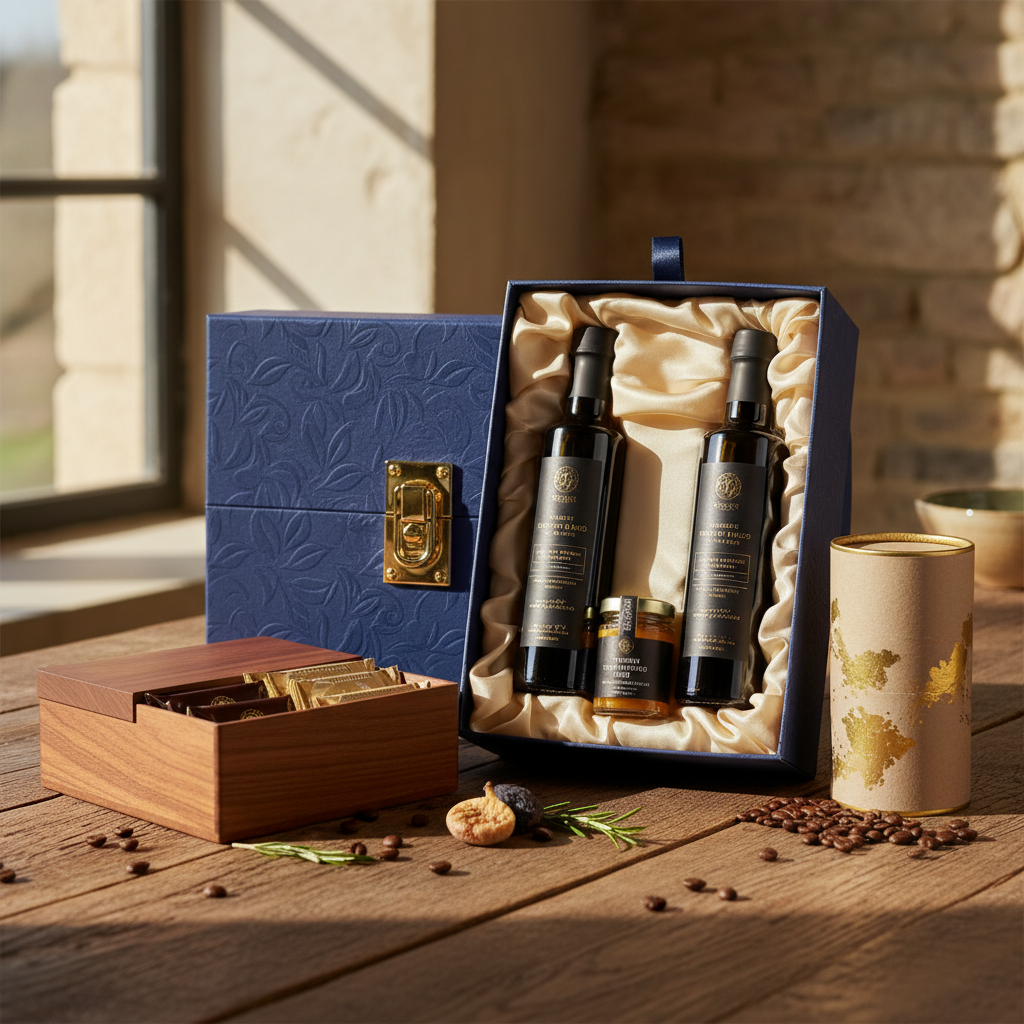
Your product might be a masterpiece, but if its outer shell doesn’t scream “premium,” it risks being overlooked. Consumers often make snap judgments based on visual cues, assuming a higher price tag necessitates a sophisticated presentation. When packaging looks generic or outdated, it can erode trust, make it difficult to attract new customers, and even prompt existing customers to question the brand’s commitment to excellence. The disconnect between product quality and packaging aesthetics creates a silent barrier, preventing your brand from achieving its full potential and truly standing out.
Why This Keeps Happening: Common Blind Spots in Packaging Strategy
It’s easy to assume that if a product is good, it will sell itself. However, that perspective often overlooks the powerful psychological role packaging plays in consumer decision-making. Several factors contribute to premium F&B brands struggling with their packaging design, often without realizing the underlying issues.
- Underestimating Packaging’s Strategic Value: Many brands view packaging as a cost center or a necessary container, rather than a powerful marketing tool. This leads to prioritizing functionality or cost-cutting over design impact and brand storytelling.
- Lack of Specialized Design Expertise: Generic graphic designers may not understand the nuances of F&B branding, material science, or the specific demands of a premium market. Creating packaging that truly elevates a brand requires specialized knowledge and experience.
- Focusing Inward, Not Outward: Brands sometimes design packaging based solely on internal preferences or what they “like,” rather than meticulously researching target audience preferences, competitor analysis, and market trends.
- Budget Misallocation: While product development and marketing campaigns receive significant investment, packaging design is often an afterthought or relegated to a minimal budget. This compromises the ability to use high-quality materials, finishes, and design talent.
- Fear of Change and Risk Aversion: Established brands might be hesitant to refresh their packaging, fearing alienation of existing customers or the perceived risk of a new look. This can lead to stagnation while competitors innovate.
These blind spots often result in packaging that is functional but forgettable, failing to capture the unique essence and value proposition of a truly premium product. Understanding these challenges is the first step towards a more effective packaging strategy.

The Short Answer: Strategic, Premium Packaging Design
The definitive solution to distinguishing your high-quality food and beverage products lies in strategic, premium packaging design. It’s not just about making a package look “pretty” – it’s about crafting a multi-sensory experience that communicates your brand’s story, values, and unparalleled quality at a glance. This approach transforms your packaging from a mere container into a silent salesperson, a powerful brand ambassador, and a key driver of consumer perception and purchasing decisions.
Effective premium F&B packaging design doesn’t just hold your product; it elevates it, creating an undeniable allure that resonates with your target audience. It’s an investment that pays dividends in brand loyalty, increased market share, and the ability to command a higher price point, solidifying your position in the luxury sector.
What The Solution Looks Like In Real Life: A Tangible Transformation
When you commit to strategic, premium F&B packaging design, the transformation is palpable, not just in aesthetics but in business outcomes. Your product no longer blends in; it stands out, drawing the eye and inviting interaction. Imagine your artisanal jam, once in a standard jar with a printed label, now encased in custom-molded glass, featuring intricate debossing, a sophisticated metallic foil, and a label crafted from textured, eco-friendly paper. This isn’t just an upgrade; it’s a complete reimagining of the consumer experience.
In real life, this means your packaging becomes an extension of your brand’s narrative. It evokes emotions, builds trust, and justifies the premium price point before a single bite or sip is taken. Consumers are more likely to pick up your product, explore its details, and ultimately, make a purchase because the packaging confidently asserts its premium status. This approach empowers your brand to connect more deeply with its audience and clearly communicate its value proposition. You can discover more about how strategic design solutions can benefit your brand by visiting our Design Solutions page.
Step By Step: Crafting Your Signature Packaging
Transforming your packaging from functional to phenomenal requires a structured, thoughtful process. Here’s a step-by-step guide to achieving premium F&B packaging design that truly elevates your brand:
- Define Your Brand Identity and Story: Before any design begins, solidify your brand’s unique story, values, target audience, and desired emotional connection. What message do you want to convey? What makes your product special? This forms the foundation for all design decisions.
- Understand Your Target Consumer: Deeply research who you’re trying to reach. What are their preferences, their lifestyle, their purchasing habits? Premium consumers are often drawn to specific aesthetics, materials, and ethical considerations.
- Conduct Market and Competitor Analysis: Analyze the current landscape. What are your competitors doing well, and where are their weaknesses? Identify gaps and opportunities to differentiate your brand with truly unique packaging.
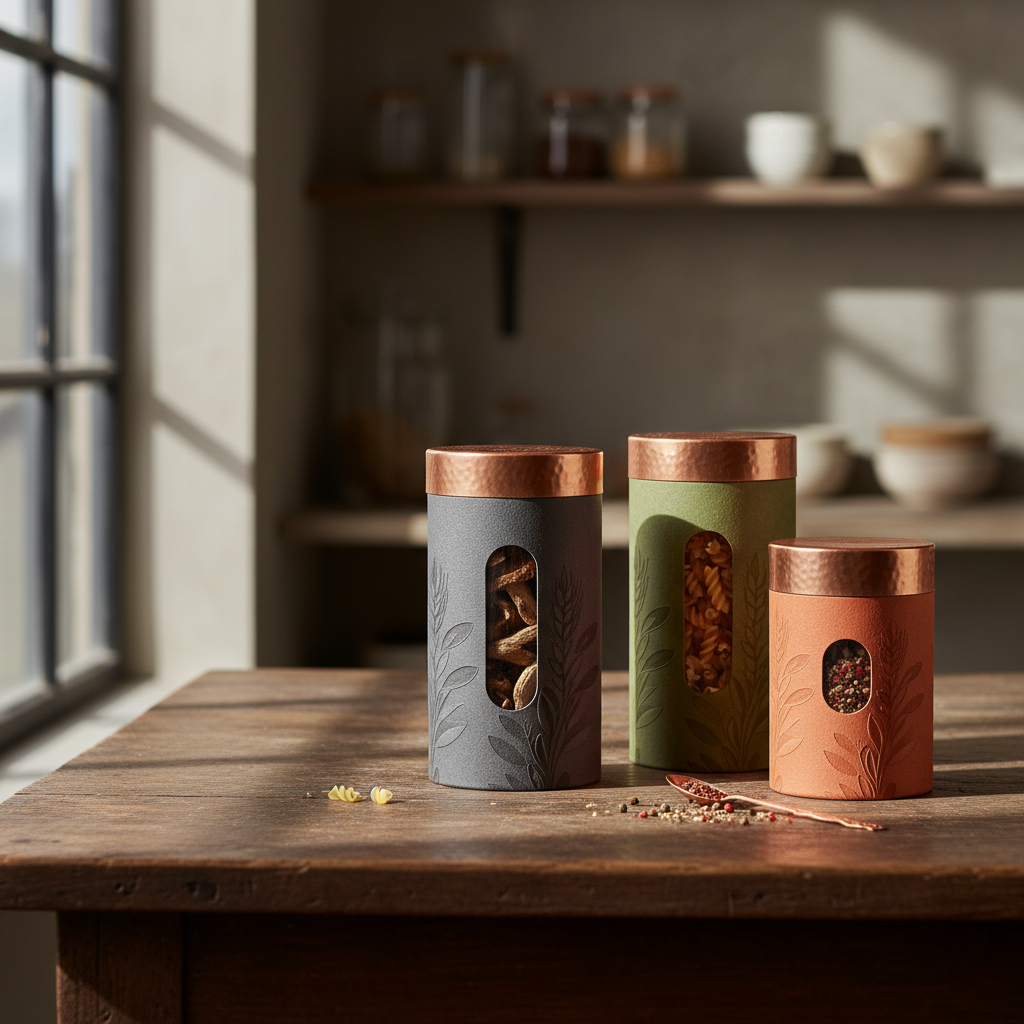
- Material and Finish Exploration: Consider the tactile and visual impact of different materials – glass, premium paperboard, sustainable plastics, metal. Explore special finishes like embossing, debossing, foil stamping, spot UV, and unique coatings that add a luxurious feel. The right material enhances perceived value.
- Develop Concept Designs and Prototyping: Work with experienced designers to develop several concepts. Use mood boards, sketches, and 3D renderings. Move to physical prototypes to test functionality, aesthetics, and user experience. This iterative process is crucial for refining the design.
- Focus on User Experience and Functionality: Beyond aesthetics, ensure the packaging is easy to open, store, and dispose of. Consider tamper-evidence, shelf-life requirements, and how the packaging enhances the consumer’s interaction with the product.
- Integrate Sustainability (Where Appropriate): Premium doesn’t have to mean wasteful. Explore sustainable materials, recyclable components, and eco-friendly practices that align with modern consumer values. Learn more about the broader concept of packaging and its role in product protection and marketing.
- Launch and Gather Feedback: Once your new packaging is ready, launch it with confidence. Monitor sales, gather customer feedback, and be prepared to make minor adjustments if necessary based on real-world performance.
How This Looks For Different People
The impact of strategic packaging design varies depending on the specific needs and goals of different F&B brands:
- For the Artisan Craft Beverage Startup: A small brewery or distiller launching a unique new product needs to capture attention instantly. For them, premium packaging means distinctive bottle shapes, custom labels with intricate illustrations that tell their origin story, and perhaps a wax seal or custom closure. This allows them to compete with established brands by conveying authenticity and artisanal quality, even with limited initial marketing budgets. Their packaging becomes their primary marketing tool on a crowded shelf, inviting discovery and elevating their brand from day one.
- For the Gourmet Food Producer Expanding Retail Presence: A producer of high-end sauces or specialty snacks, moving from farmers’ markets to national retail chains, faces the challenge of maintaining brand identity at scale. Premium packaging involves migrating their handmade feel into a mass-producible yet elegant format. This could mean bespoke jar designs, consistent branding across a product line, and materials that offer both protection and a luxurious touch. The goal is to ensure their product retains its gourmet appeal and stands out in a larger commercial setting, solidifying their brand presence.
- For the Established Premium Brand Refreshing Its Image: Even well-known luxury food brands need to evolve to stay relevant. For them, a packaging refresh might involve subtle enhancements – an updated logo treatment, a move to more sustainable luxury materials, or a limited-edition packaging series. The aim is to reinforce their legacy while signalling modernity and innovation, ensuring their brand remains synonymous with contemporary luxury. This prevents stagnation and maintains their competitive edge against emerging challengers.
What Might Still Be Holding You Back
Despite the clear advantages, some premium F&B brands hesitate to fully embrace a strategic packaging redesign. These common concerns, while valid, often stem from a misunderstanding of the long-term ROI.
- Perceived High Cost: Investing in custom design, premium materials, and specialized printing can seem expensive upfront. However, viewing packaging as a marketing investment rather than just a cost reveals its potential for increased sales, brand loyalty, and higher profit margins that quickly offset the initial outlay.
- Fear of Alienating Existing Customers: Brands sometimes worry that a significant packaging change might confuse or displease their loyal customer base. This can be mitigated through careful market research, phased rollouts, and transparent communication about the reasons for the change, often highlighting improvements.
- Time and Resource Commitment: A comprehensive packaging redesign is a project that requires time, effort, and coordination. Brands with lean teams might feel overwhelmed by the process. Partnering with an experienced design agency like AXAR can streamline the process, allowing brands to focus on their core product.
- Uncertainty of ROI: Quantifying the direct return on investment for design can feel abstract. However, by tracking metrics like shelf velocity, customer engagement, brand perception surveys, and repeat purchases post-redesign, the impact becomes clear.
Addressing these concerns proactively is crucial. A strategic partner can help navigate these challenges, transforming potential roadblocks into opportunities for growth and brand enhancement.
Common Mistakes To Avoid in Premium F&B Packaging Design
Even with the best intentions, certain missteps can undermine the effectiveness of your premium F&B packaging. Avoiding these common mistakes is as crucial as implementing best practices:
- Ignoring Your Target Audience: Designing based on personal taste rather than thorough research into what resonates with your specific premium consumer segment.
- Inconsistent Branding: Disregarding your overall brand identity, resulting in packaging that doesn’t align with your website, marketing materials, or company values.
- Over-Complication: Trying to cram too much information or too many design elements onto the package, leading to a cluttered and confusing look that detracts from its premium feel. Simplicity often speaks volumes in luxury.
- Cheap Materials or Finishes: Sacrificing quality on packaging materials or printing techniques to save costs. This instantly degrades perceived value, no matter how good the design.
- Neglecting Functionality: Creating beautiful packaging that is difficult to open, fragile, or doesn’t protect the product adequately. Form must always complement function.
- Failing to Stand Out: Creating packaging that blends in with competitors rather than differentiating your product. Uniqueness is key for a premium offering.
By being mindful of these pitfalls, you can ensure your packaging design truly supports and elevates your premium F&B brand.
Your Implementation Checklist for Premium Packaging
Ready to give your premium F&B packaging the attention it deserves? Use this checklist to guide your journey:
- ☐ Clearly define your brand’s unique story and values.
- ☐ Conduct in-depth research on your target premium consumer.
- ☐ Analyze competitor packaging for strengths, weaknesses, and opportunities.
- ☐ Set a dedicated budget for design, materials, and prototyping.
- ☐ Partner with a specialized packaging design agency with F&B expertise.
- ☐ Explore premium materials and special finishes relevant to your product.
- ☐ Ensure all design concepts align with brand identity and communicate value.
- ☐ Prioritize both aesthetic appeal and practical functionality.
- ☐ Consider sustainable packaging options where feasible.
- ☐ Plan for a thorough prototyping and testing phase.
Your 7 Day Plan to Kickstart Packaging Elevation
Here’s a practical, seven-day roadmap to begin the process of elevating your premium F&B packaging design:
- Day 1: Vision Casting & Brainstorming
Gather your core team. Discuss your brand’s ultimate vision for its packaging. What emotions should it evoke? What feeling should consumers have when they hold it? Look at examples of packaging you admire (both in and out of your industry). - Day 2: Audience & Competitor Deep Dive
Dedicate time to research. Document your target audience’s demographics, psychographics, and purchasing habits. Identify 3-5 direct and indirect competitors and analyze their packaging strengths and weaknesses. What makes them stand out, or where do they fall short? - Day 3: Material & Finish Inspiration
Research different packaging materials (glass, metal, high-end paperboard, sustainable options) and luxury finishes (embossing, debossing, foil stamping, soft-touch coatings). Collect samples or images that inspire you. Explore resources about E-commerce – Wikipedia for ideas. - Day 4: Story & Messaging Refinement
Refine your brand story and key messaging. What 1-3 messages must your packaging convey instantly? Ensure these messages are unique, compelling, and aligned with your premium positioning. - Day 5: Budget & Timeline Sketch
Outline a preliminary budget range for design services, materials, and production. Sketch a rough timeline for the project, from initial concepts to final production. This doesn’t have to be perfect, just a starting point. - Day 6: Identify Potential Partners
Research 3-5 packaging design agencies or freelance designers with a strong portfolio in premium F&B. Look for expertise, creativity, and a clear understanding of your market. Check out our Services to see how we can assist. - Day 7: Initial Outreach & Consultation Prep
Prepare a brief summary of your findings from days 1-5. Reach out to your top 2-3 potential design partners to schedule initial consultations. Have your questions ready and be prepared to share your vision. Feel free to Contact Us to start the conversation.
Summary: Unlock Your Brand’s Full Potential
In the world of premium F&B, your packaging is often the first, and sometimes only, opportunity to make a lasting impression. It’s more than just a container; it’s a critical storytelling tool, a perceived value amplifier, and a silent salesperson on the shelf. By investing in strategic, premium packaging design, you not only differentiate your exquisite products but also build brand loyalty, justify higher price points, and ultimately elevate your brand to its rightful place in the market. Don’t let your exceptional product be hampered by uninspired packaging. Take control of your brand’s narrative and let its outer appearance reflect the quality within.
Ready to transform your premium F&B brand’s presence? Connect with AXAR today to discuss how our expert packaging design services can help your products shine.
Sources
- Packaging – Wikipedia
- Brand – Wikipedia
- Online Shopping – Wikipedia
- Food safety – World Health Organization
Frequently Asked Questions About Premium F&B Packaging Design
Here are answers to common questions about elevating your brand through packaging:
Q1: Why is packaging design so important for premium F&B brands specifically?
A1: For premium F&B brands, packaging design is crucial because it’s the primary visual cue that communicates quality, luxury, and value before the product is even tasted. It helps justify a higher price point, differentiates the brand in a competitive market, builds trust, and creates a memorable, desirable experience that resonates with discerning consumers.
Q2: How much should a premium F&B brand budget for packaging design?
A2: The budget for premium F&B packaging design can vary widely based on complexity, materials, and the scope of work. It’s important to view it as an investment with significant ROI potential. While a precise figure depends on many factors, allocating a substantial portion of your marketing or product launch budget to packaging design and high-quality materials is essential. Consulting with a design agency can provide a more accurate estimate for your specific needs.
Q3: Can sustainable packaging still look and feel premium?
A3: Absolutely. Sustainable packaging has evolved significantly and can be incredibly luxurious. Brands are increasingly using materials like recycled glass, FSC-certified paper, compostable plastics, and innovative plant-based solutions that offer a sophisticated aesthetic and tactile experience. Integrating sustainability can even enhance a brand’s premium appeal, aligning with environmentally conscious consumer values.
Q4: How long does a typical premium packaging redesign project take?
A4: A comprehensive premium F&B packaging redesign project can take anywhere from 3 to 9 months, or even longer, depending on the complexity. This timeline includes research, concept development, material sourcing, prototyping, testing, and final production. It’s a multi-stage process that requires careful planning and collaboration between the brand and its design partner to ensure a successful outcome.
Q5: What’s the difference between a graphic designer and a specialized packaging design agency?
A5: A graphic designer can create appealing visuals, but a specialized packaging design agency possesses a deeper understanding of industrial design, material science, print production, supply chain logistics, and specific F&B industry regulations. They offer expertise in structural design, functional requirements, and how packaging interacts with consumer psychology, which is vital for premium products.