

In the highly competitive world of luxury cruising, standing still is not an option. Brands constantly grapple with the challenge of evolving guest expectations, fierce competition, and the imperative to deliver unforgettable experiences that resonate deeply. The key to not just surviving, but thriving, lies in foresight-driven design and embracing trends that elevate the entire journey.
For luxury cruise lines, this means meticulously crafting environments that are not only beautiful but also intelligent, sustainable, and deeply experiential. At AXAR, we understand that design is more than just aesthetics-it’s a strategic imperative that shapes perception, drives loyalty, and defines your brand’s future. Staying ahead of the curve in luxury cruise brand design is crucial for capturing the attention of discerning travelers and ensuring your fleet remains a beacon of sophistication and innovation. This article explores the cutting-edge design trends poised to redefine the luxury cruise experience for years to come.
Key Considerations for Adopting Luxury Cruise Design Trends
Integrating new design trends into an existing or new luxury cruise brand requires careful consideration and a holistic approach. It’s not just about what looks good, but what truly enhances the guest journey and aligns with your brand’s ethos.
- Brand Identity Alignment: Any new design trend must seamlessly integrate with your brand’s core values, aesthetic, and unique selling proposition. It should enhance, not detract from, what makes your brand distinctive.
- Guest Experience Focus: Design should always prioritize the guest. How will this trend improve comfort, functionality, engagement, and overall satisfaction for your specific demographic? Every element should contribute to an elevated journey.
- Sustainability & Innovation: Modern luxury travelers increasingly demand eco-conscious choices. Trends should incorporate sustainable materials, energy-efficient solutions, or circular design principles to minimize environmental impact. Consider the broader implications, as detailed on Wikipedia’s Sustainable Design page.
- Technological Integration: Smart technology should enhance, not complicate, the luxury experience. Trends that blend digital convenience with elegant design are highly valuable, offering features like personalized controls and interactive entertainment without being intrusive.
- Flexibility & Adaptability: Can design elements adapt to different moods, events, or guest preferences throughout a voyage? Multi-functional spaces and modular designs offer longevity and versatility, maximizing the utility of onboard areas.
- Regional & Cultural Sensitivity: For global itineraries, consider how design can subtly reflect the destinations visited, offering a sense of place without resorting to stereotypes. This enriches the overall hospitality experience and creates memorable connections.
Quick Look: Top Luxury Cruise Design Trends
Here’s a brief overview of the transformative design trends shaping the future of luxury cruising:
- Immersive Biophilic Design – Integrating natural elements to create calming, restorative environments.
- Hyper-Personalized Digital Integration – Seamless technology that adapts to individual guest preferences and needs.
- Sustainable Luxury & Circular Design – Eco-conscious design from material sourcing to waste reduction and energy efficiency.
- Flexible & Multi-Functional Spaces – Modular, adaptable areas that can transform to serve various purposes throughout a voyage.
- Artisanal Craftsmanship & Local Storytelling – Celebrating unique heritage through bespoke pieces and regional narratives.
In-Depth Look: Leading Design Trends for Luxury Cruises
Let’s dive deeper into the trends that are set to define the next generation of luxury cruise experiences, impacting every facet of onboard life.
1. Immersive Biophilic Design
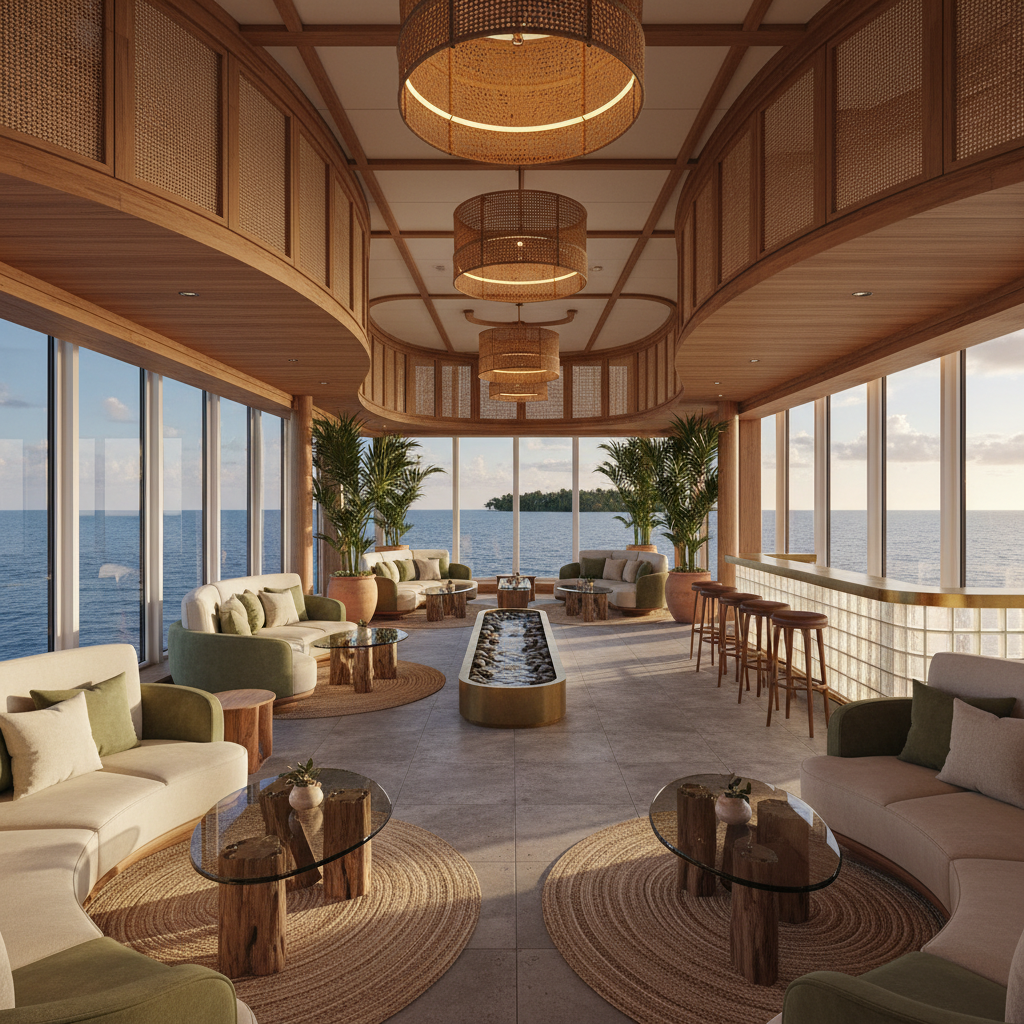
- Why It Matters: Passengers seek connection to nature, even at sea. Biophilic design, as explored on its Wikipedia page, brings the outdoors in through living walls, natural light, organic textures, and water features, promoting well-being and reducing stress. It creates serene, restorative environments throughout the vessel.
- Considerations: Requires careful planning for plant maintenance, water management, and integration with HVAC systems to ensure longevity and guest comfort. Authenticity is key-avoid artificial elements for a genuine natural feel.
2. Hyper-Personalized Digital Integration
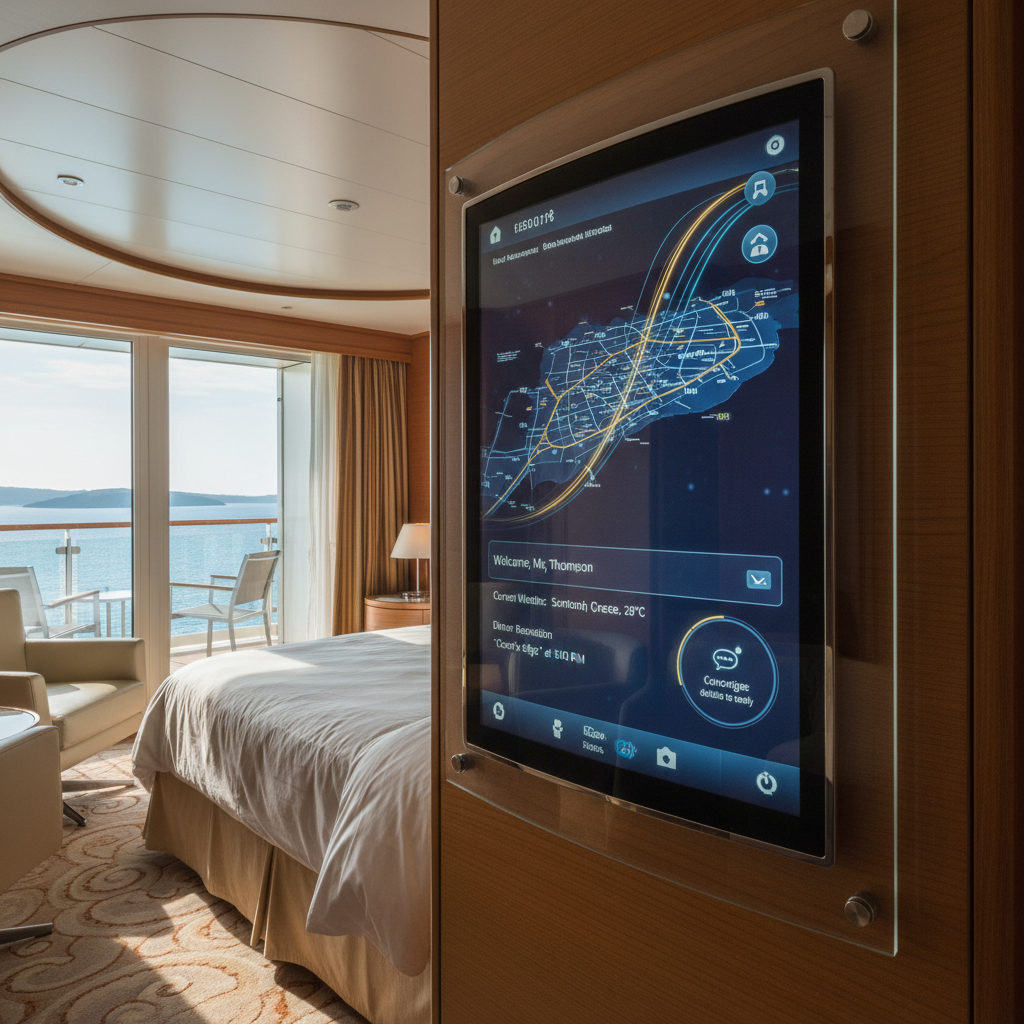
- Why It Matters: From smart cabins that learn guest preferences to interactive digital art installations, technology is becoming invisible yet indispensable. This trend focuses on seamless connectivity, intuitive controls, and bespoke experiences tailored to each individual, enhancing convenience and delight through personalization.
- Considerations: Data privacy and security are paramount. The technology must be reliable, easy to use, and offer a clear benefit without overwhelming guests. Design should prioritize user experience (UX) to avoid digital fatigue and ensure effortless interaction.
3. Sustainable Luxury & Circular Design
- Why It Matters: The conscious consumer expects brands to demonstrate environmental responsibility. This trend moves beyond simply using sustainable materials to embrace circular economy principles-designing for durability, reuse, recycling, and minimizing waste throughout the product lifecycle. It’s about luxury with a conscience, encompassing everything from energy efficiency to ethical fabrics.
- Considerations: Can involve higher upfront costs for eco-friendly materials or advanced waste management systems. Requires transparent sourcing and clear communication of efforts to guests. Certification and ethical supply chains are crucial for credibility.
4. Flexible & Multi-Functional Spaces
- Why It Matters: Modern travelers appreciate versatility. Design that allows spaces to transform from a quiet reading lounge by day to a vibrant cocktail bar by night maximizes utility and offers diverse experiences without increasing footprint. Movable partitions, smart lighting, and modular furniture are key enablers.
- Considerations: Requires robust engineering and intuitive design for transformations. Acoustics and lighting must be adaptable for different functions, ensuring comfort in all configurations. Staff training is essential to manage transitions smoothly and efficiently.
5. Artisanal Craftsmanship & Local Storytelling
- Why It Matters: In an increasingly digital world, there’s a longing for authenticity and human connection. This trend emphasizes bespoke, handcrafted elements-unique furniture, textiles, and art-that tell a story, often linking back to the ship’s itinerary or a particular cultural heritage. It adds depth, character, and a sense of exclusivity.
- Considerations: Sourcing authentic artisanal pieces can be time-consuming and require partnerships with skilled craftspeople. Maintenance of unique items might also require specialized care, adding to operational considerations.
Applying Design Trends Across Cruise Ship Zones
Each area of a luxury cruise ship offers unique opportunities to implement these trends, creating a cohesive yet diverse guest experience from bow to stern.
- Private Suites & Staterooms: Focus on Hyper-Personalized Digital Integration for climate, lighting, and entertainment, alongside elements of Immersive Biophilic Design through subtle plant arrangements or natural material palettes. Sustainability can be integrated through high-quality, eco-friendly linens and amenities.
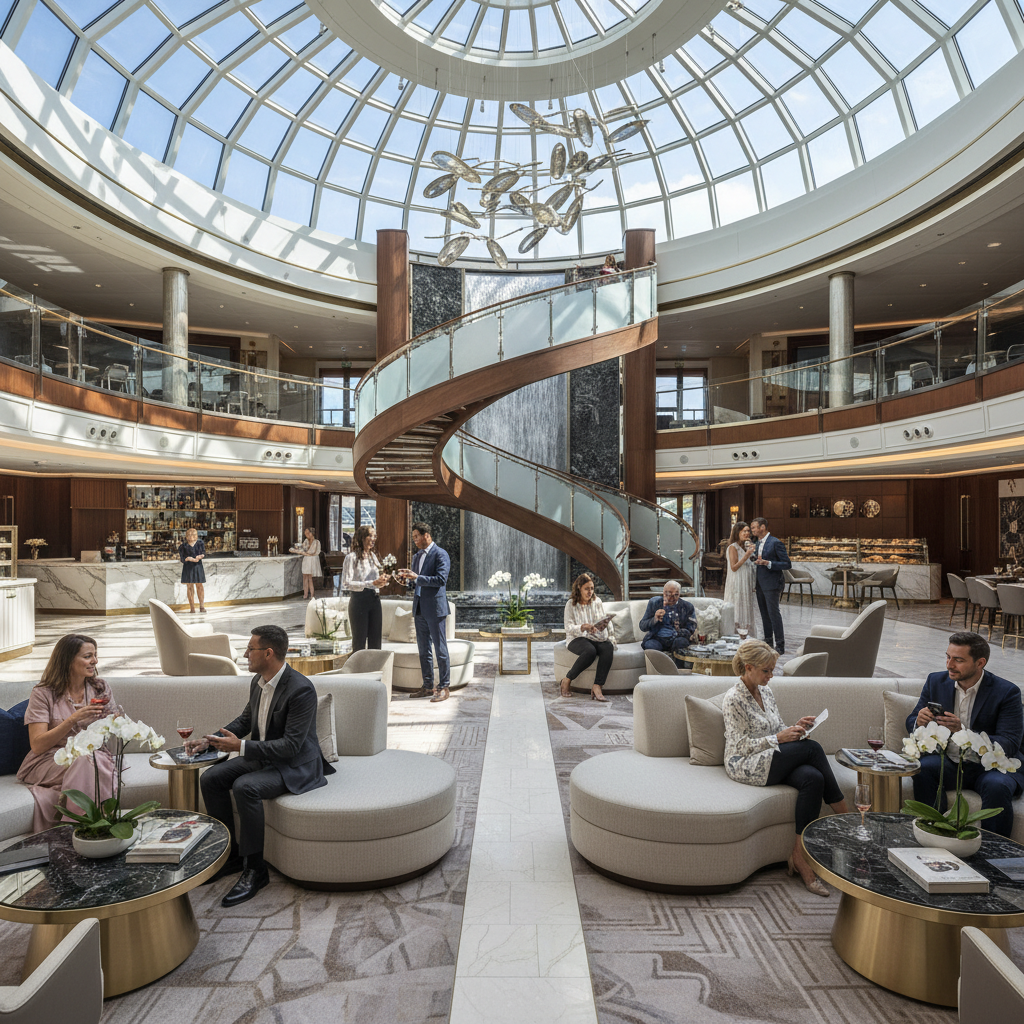
- Public Lounges & Dining Areas: These are ideal for Flexible & Multi-Functional Spaces, transforming from relaxed daytime areas to elegant evening venues. Artisanal Craftsmanship can shine in custom furnishings and unique art pieces, creating conversation starters and a sense of place.
- Wellness & Spa Zones: Immersive Biophilic Design is paramount here, promoting tranquility and connection to nature through serene aesthetics. Sustainable Luxury can be demonstrated through eco-friendly spa products and water-saving features, enhancing the commitment to holistic well-being.
- Open Decks & Outdoor Spaces: While naturally connected to the environment, these areas can benefit from durable, sustainable materials and thoughtful planting (biophilic design) to enhance relaxation and aesthetic appeal. This complements the vessel’s journey as a luxury cruise ship, blurring the lines between ship and sea.
Harmonizing Design Trends with Brand Identity
Successfully integrating these dynamic design trends means more than just adopting the latest fad; it’s about making them authentically your own. Your brand’s unique character, target demographic, and aspirational values should guide every design decision. A modern, minimalist brand might gravitate towards future-forward aesthetics and seamless tech, while a brand rooted in classic elegance might interpret biophilic design with more traditional botanical art and artisanal woodwork.
Consider conducting thorough research and potentially engaging a specialized design agency, like our team at AXAR Design Solutions, to ensure these trends are integrated thoughtfully and strategically. The goal is to create a cohesive narrative that reinforces your brand’s promise at every touchpoint, ensuring every design choice contributes to a unified, premium guest experience.
Sustaining Modernity: Future-Proofing Your Brand
Just as you invest in the physical infrastructure of your fleet, you must invest in the ongoing relevance of your brand’s design. This involves:
- Regular Audits: Periodically review your ship’s interiors and digital interfaces to ensure they still align with current luxury expectations and guest feedback. Stay proactive, not reactive.
- Modular & Adaptable Elements: When designing, choose elements that can be updated or changed relatively easily without requiring a full overhaul. This allows for cost-effective refreshes and prevents stagnation.
- Timeless Foundations: While trends evolve, foundational elements like quality materials, excellent craftsmanship, and well-thought-out spatial planning remain timeless. Invest in these bedrock components that underpin lasting luxury.
- Staff Training: Ensure your crew is fully trained on new technologies and design features so they can effectively assist guests and maintain the spaces. Knowledgeable staff enhance the guest experience.
- Feedback Loops: Continuously gather and analyze guest feedback regarding design and functionality. This data is invaluable for iterative improvements and future strategic planning, ensuring your brand remains resonant.
Your Next Step
Embracing these luxury cruise design trends is a strategic move that positions your brand for long-term success and continued guest satisfaction. By thoughtfully integrating biophilic elements, smart technology, sustainable practices, and flexible spaces, you can create unparalleled experiences that resonate deeply with discerning travelers. Don’t let your brand fall behind; explore how innovative design can redefine your onboard journey.
Ready to transform your luxury cruise brand? Contact AXAR today to discuss how our strategic design and branding services can help you navigate these exciting trends and future-proof your legacy.
Sources
- Cruise Ship – Wikipedia
- Sustainable Design – Wikipedia
- Biophilia – Wikipedia
- User Experience Design – Wikipedia
- Hospitality Industry – Wikipedia
Frequently Asked Questions About Luxury Cruise Design Trends
Q1: Why are design trends so important for luxury cruise brands?
A1: Design trends are critical for luxury cruise brands because they directly impact guest perception, satisfaction, and loyalty. In a competitive market, innovative design helps brands differentiate themselves, attract discerning travelers, and meet evolving expectations for comfort, technology, sustainability, and unique experiences. It’s a key factor in future-proofing a brand’s appeal and maintaining a premium image.
Q2: How can luxury cruise lines balance modern trends with their established brand identity?
A2: Balancing trends with brand identity requires a strategic approach. It’s about selective adoption-choosing trends that align with and enhance your brand’s core values, rather than simply following every fad. Focus on timeless foundations like quality and craftsmanship, then layer in modern elements thoughtfully. Consulting with design experts, like those at AXAR’s Services, can ensure seamless integration that respects heritage while embracing innovation.
Q3: What role does technology play in new luxury cruise design trends?
A3: Technology plays a transformative role, moving beyond mere gadgets to create seamless, hyper-personalized guest experiences. This includes smart cabins, intuitive digital interfaces for service, immersive entertainment, and efficient operational systems. The goal is to make technology invisible yet indispensable, enhancing convenience, connectivity, and overall enjoyment without compromising on elegance.
Q4: How does sustainability integrate into luxury cruise design?
A4: Sustainability is increasingly integral to luxury cruise design, moving beyond greenwashing to genuine impact. This involves using ethically sourced, durable, and recyclable materials, implementing energy-efficient systems, designing for waste reduction (circular design), and even integrating biophilic elements that connect guests with nature. It’s about creating an environmentally responsible luxury experience that resonates with conscious travelers.
Q5: Are these design trends applicable to smaller, boutique luxury cruises or only large ships?
A5: These design trends are highly applicable to both large luxury cruise ships and smaller, boutique vessels. While the scale of implementation may vary, the core principles-enhancing guest experience, sustainability, personalization, and innovative aesthetics-are universal. Boutique cruises, with their often more intimate settings, can even offer unique opportunities for more bespoke artisanal elements and deeply immersive biophilic designs.