

In today’s highly competitive market, a generic brand identity simply won’t resonate with discerning consumers, especially when building a luxury brand. To truly capture attention and foster unwavering loyalty, a premium brand must articulate its essence through a thoughtfully crafted identity. But what exactly are the core elements of luxury brand identity design that set the elite apart?
Many brands struggle to move beyond surface-level aesthetics, failing to build the deep emotional connection that defines true luxury. Without a strategic approach, even the finest products can blend into the background. This article will guide you through the seven indispensable elements that form the foundation of an irresistible luxury brand identity, helping your brand stand out and command prestige. Let’s explore how to design an identity that not only looks premium but truly embodies exclusivity, quality, and aspiration.
Defining Your Luxury Brand’s Core Identity
Before diving into specific design choices, it’s crucial to establish a clear understanding of what your luxury brand represents. This foundational work ensures every subsequent design decision reinforces your core values and appeals to your target demographic.
- Understand Your Audience: Deeply research the psychographics, aspirations, and lifestyle of your ideal luxury consumer. What do they value? What are their unspoken desires?
- Articulate Your Vision and Mission: Clearly define what your brand aims to achieve and how it intends to make an impact. Luxury brands often have a grander purpose beyond mere transaction.
- Identify Your Unique Value Proposition: What makes your luxury offering distinct? Is it unparalleled craftsmanship, innovative technology, exclusive materials, or a unique heritage?
- Establish Brand Archetype and Personality: Determine the character of your brand. Is it the Sage, the Ruler, the Creator, or another archetype? This informs tone, visual style, and communication.
- Define Emotional Connection Points: Luxury is often about feeling. What emotions do you want your brand to evoke-a sense of belonging, aspiration, empowerment, or tranquility?
- Outline Brand Story and Heritage: Every luxury brand has a compelling narrative. Whether established or emerging, craft a story that speaks to your origins, values, and journey.

Quick Look: The 7 Essential Elements
Here’s a rapid overview of the critical components we’ll delve into for crafting a captivating luxury brand identity:
- Exclusivity and Scarcity – Creating a sense of privilege and desirability through limited access or production.
- Impeccable Quality and Craftsmanship – Upholding the highest standards in materials, production, and meticulous attention to detail.
- Distinctive Storytelling and Heritage – Weaving a rich narrative that connects with customers on an emotional and historical level.
- Refined Aesthetics and Design Language – Employing sophisticated visual and sensory elements that communicate elegance and prestige.
- Exceptional Customer Experience – Providing personalized, anticipatory service that makes every interaction feel premium.
- Strategic Pricing and Perceived Value – Positioning your brand with prices that reflect its inherent worth and aspirational appeal.
- Global Presence and Cultural Relevance – Building a worldwide reputation while thoughtfully adapting to diverse cultural contexts.
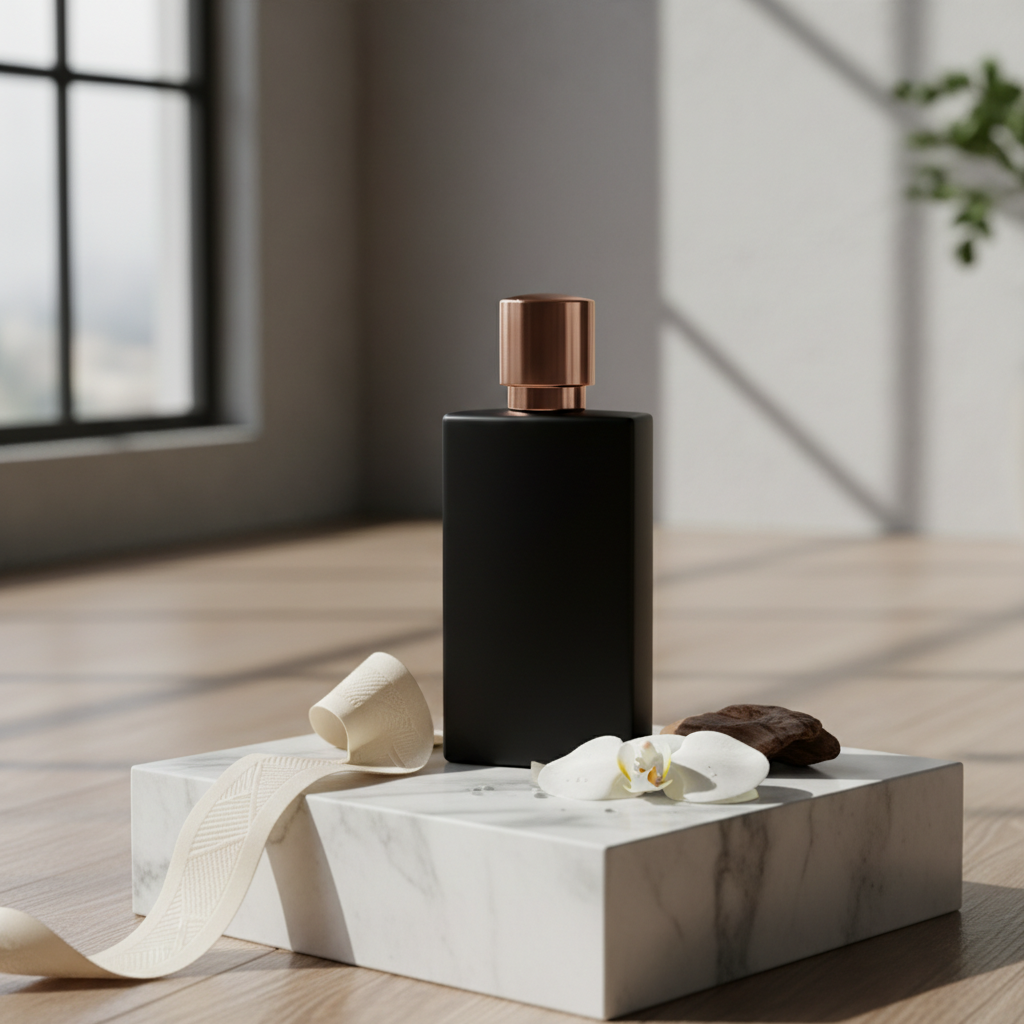
1. Exclusivity and Scarcity
- Core Concept: Luxury often thrives on the principle that not everyone can have it. This sense of privilege and limited access enhances desire and perceived value. It’s about creating an “in-group” feeling among your clientele.
- Why it’s Essential: In a world of mass production, scarcity distinguishes luxury. It prevents commoditization and maintains an aura of specialness, making the acquisition of your product or service a more significant event.
- Implementation Focus: This can be achieved through limited edition collections, membership programs, invitation-only events, bespoke services, or controlled distribution channels. Transparency about the meticulous process and limited production numbers can also reinforce this.
2. Impeccable Quality and Craftsmanship
- Core Concept: At the heart of luxury is an unwavering commitment to superior quality, from the raw materials to the finishing touches. Craftsmanship speaks to the skill, dedication, and human artistry involved in creation.
- Why it’s Essential: Luxury consumers expect nothing less than perfection. High quality ensures durability, performance, and a tactile experience that justifies the premium price. Craftsmanship adds soul and a unique story to each item, a contrast to mass-produced goods.
- Implementation Focus: Highlight the origin and quality of materials. Showcase the artisans and their techniques. Emphasize rigorous quality control processes. Certifications and guarantees can further build trust.
3. Distinctive Storytelling and Heritage
- Core Concept: Every luxury brand has a narrative that goes beyond the product itself. This can be a rich history, the founder’s vision, an inspiring origin, or a cultural legacy. Storytelling creates an emotional connection and adds depth.
- Why it’s Essential: Stories are memorable and evoke emotion, allowing consumers to feel part of something larger. A compelling heritage provides authenticity and anchors the brand in a tradition of excellence, making it timeless rather than trendy.
- Implementation Focus: Weave your brand story into all communication-marketing materials, website content, packaging, and in-store experiences. Use evocative language, imagery, and perhaps even collaborations to bring your narrative to life. Consider sharing your journey on our blog for greater engagement.
4. Refined Aesthetics and Design Language
- Core Concept: This encompasses all visual and sensory elements that define your brand’s look and feel-logo, typography, color palette, imagery, packaging, store design, and even scent or sound. It’s about sophisticated design that communicates elegance without being ostentatious.
- Why it’s Essential: Aesthetics are often the first point of contact and play a crucial role in forming perceptions of luxury. A cohesive and distinctive design language ensures instant recognition and reinforces the brand’s premium positioning across all touchpoints.
- Implementation Focus: Invest in professional graphic and product design. Maintain consistency across all brand assets. Utilize high-quality materials for packaging. Create an immersive brand environment. Our Design Solutions can help perfect these elements.
5. Exceptional Customer Experience
- Core Concept: Luxury extends far beyond the product to every interaction a customer has with the brand. This means personalized, anticipatory, seamless, and memorable service that makes the customer feel valued and understood.
- Why it’s Essential: In luxury, the experience is as important as the product. Outstanding service builds lasting relationships, fosters loyalty, and encourages positive word-of-mouth. It transforms a transaction into a cherished memory.
- Implementation Focus: Train staff to be highly knowledgeable and attentive. Offer personalized recommendations and follow-ups. Ensure seamless online and offline interactions. Provide exclusive services like personal shopping or express delivery.
6. Strategic Pricing and Perceived Value
- Core Concept: Luxury pricing is not just about covering costs; it’s a strategic tool that communicates exclusivity, quality, and aspirational status. The price must reflect the perceived value, which includes emotional and psychological benefits.
- Why it’s Essential: Price acts as a significant signal in the luxury market. Too low, and it devalues the brand; too high without justification, and it deters. Strategic pricing reinforces the brand’s premium standing and its ability to deliver superior value.
- Implementation Focus: Price points should align with your brand’s positioning and target audience’s willingness to pay. Justify pricing through transparency about craftsmanship, materials, limited availability, and the unique experience offered. Avoid frequent discounts that dilute brand equity.
7. Global Presence and Cultural Relevance
- Core Concept: For many luxury brands, global reach is key to sustained growth, but this must be managed thoughtfully. It involves establishing a presence in key international markets while being sensitive to local cultural nuances and preferences.
- Why it’s Essential: A global footprint allows for market diversification and strengthens brand recognition on an international scale, reinforcing its status and aspiration. Cultural relevance ensures that the brand resonates authentically with diverse audiences without losing its core identity.
- Implementation Focus: Adapt marketing messages, product offerings (if necessary), and service approaches to local tastes while maintaining core brand integrity. Partner with local influencers or experts. Research global trends and consumer behavior thoroughly.
Applying Luxury Principles Across Scenarios
Understanding these elements is one thing; applying them effectively across diverse contexts is another. Here are a few scenarios where tailoring your approach can make a significant difference:
- For a New Digital-First Luxury Startup: Focus heavily on a seamless and visually stunning online experience. Leverage sophisticated UI/UX design, interactive storytelling, and exclusive digital content. Employ influencer marketing judiciously to build initial exclusivity and aspiration. Customer service must be exceptional online, perhaps with personalized virtual consultations.
- For a Heritage Luxury Brand Refresh: The challenge here is to modernize without losing the brand’s soul. Emphasize the rich history and craftsmanship while subtly updating aesthetics and enhancing digital engagement. Introduce limited edition modern interpretations of classics and highlight sustainable practices to appeal to a new generation.
- For a Luxury Service-Based Brand (e.g., hospitality, private jet charters): The experience itself is the primary product. Every touchpoint, from booking to interaction with staff, must exude exclusivity, personalization, and seamlessness. Anticipate client needs, offer bespoke solutions, and ensure discretion. The brand identity must convey trust, reliability, and unparalleled comfort.
Ensuring Authenticity and Cohesion
Bringing these elements together into a harmonious whole requires diligent attention to authenticity and consistency. A luxury brand identity is not a collection of disparate parts, but a unified expression of value and aspiration.
- Internal Alignment: Ensure that every team member, from leadership to frontline staff, understands and embodies the brand’s values and vision. Your internal culture is a powerful driver of external perception.
- Consistent Messaging: Every piece of communication-whether a social media post, an email, or an advertisement-must speak with a consistent voice and tone that reflects your luxury positioning.
- Brand Guideline Adherence: Develop comprehensive brand guidelines and enforce them strictly across all channels and partnerships. This ensures visual and verbal consistency, protecting your brand equity.
- Authenticity Over Trends: While it’s important to be relevant, chase authenticity over fleeting trends. True luxury is enduring and builds on a genuine narrative and unique value, not just what’s popular at the moment.
Sustaining Your Luxury Brand Identity
A luxury brand identity is not a one-time creation; it requires ongoing nurturing and strategic management to maintain its allure and relevance over time. Think of it as a living entity that needs constant care.
- Monitor Market Trends: Stay attuned to shifts in consumer behavior, luxury market dynamics, and cultural changes. This allows you to evolve without compromising your core identity.
- Innovate Thoughtfully: Introduce new products, services, or experiences that align with your brand’s essence and enhance its value. Innovation should always feel like a natural extension, not a departure.
- Protect Brand Equity: Actively safeguard your brand’s intellectual property, control distribution channels, and manage any potential threats to your reputation or image.
- Engage Your Community: Foster a strong relationship with your clientele. Listen to their feedback, involve them in exclusive events, and build a sense of community around your brand.
- Review and Adapt: Periodically review your brand identity elements to ensure they remain fresh, relevant, and compelling. Be prepared to adapt minor elements while keeping your core intact.

Your Next Step
Crafting a truly captivating luxury brand identity is a nuanced process that demands strategic foresight, creative excellence, and an unwavering commitment to quality. It’s about building a legacy, not just launching a product. By meticulously addressing each of these seven essential elements, your brand can cultivate an identity that not only attracts but deeply resonates with your target audience, fostering loyalty and driving enduring success.
If you’re ready to elevate your brand and design an identity that embodies true luxury, AXAR is here to help. Explore our comprehensive services or contact us today to begin your journey toward unparalleled brand distinction. Let’s create something extraordinary together.
Sources
- Luxury Goods – Wikipedia
- Brand Identity – Wikipedia
- Craftsmanship – Wikipedia
- Branding – Wikipedia
- Customer Experience – Wikipedia
FAQ
Q: What is the primary difference between a premium brand and a luxury brand?
A: While both emphasize quality, luxury brands typically go further by emphasizing exclusivity, heritage, masterful craftsmanship, and an immersive, aspirational experience that transcends mere product features. They often command a higher price point due to their perceived rarity and emotional value.
Q: How important is brand storytelling for luxury?
A: Brand storytelling is critically important for luxury brands. It provides a narrative, context, and emotional depth that connects consumers to the brand’s history, values, and vision. This creates a stronger bond and sense of belonging than product features alone.
Q: Can a new brand effectively establish a luxury identity without a long history?
A: Yes, absolutely. While heritage is a powerful element, new brands can establish luxury by focusing on other pillars like unparalleled quality, innovative design, bespoke services, a compelling founder’s vision, and strong ethical or sustainable practices. The key is consistent communication of these values.
Q: What role does digital presence play in luxury brand identity today?
A: Digital presence is paramount. It’s not just about having an e-commerce site, but creating a sophisticated, intuitive, and visually rich online experience that mirrors the exclusivity and aesthetics of offline interactions. This includes high-quality content, personalized digital services, and strategic social media engagement.
Q: Should luxury brands participate in sales or discounts?
A: Generally, luxury brands avoid frequent sales or deep discounts as they can dilute brand equity and undermine the perception of exclusivity and high value. Any promotional activities are typically managed very carefully, perhaps through private sales for loyal customers or limited-time events that maintain an air of exclusivity.