

Imagine stepping into a meticulously curated restaurant, the ambiance perfect, the aroma enticing, and the service impeccable. Your expectations are soaring. Then, the menu arrives – an overwhelming, poorly organized, and visually unappealing document that instantly shatters the illusion of luxury. This disconnect is a common pitfall for premium establishments, where every detail, from the decor to the dessert fork, should speak to an elevated experience. A poorly designed menu isn’t just a missed opportunity; it’s a critical error that can undermine your entire brand and deter even the most eager diners.
In the competitive world of high-end dining, your menu is far more than a simple list of dishes and prices. It’s a powerful marketing tool, a brand ambassador, and a crucial component of the guest experience. Neglecting its design can lead to confusion, dissatisfaction, and ultimately, a significant impact on your bottom line. Let’s delve into the common missteps that premium restaurants make and how to avoid them, ensuring your menu truly reflects the excellence you deliver.
The Problem: When Your Menu Fails to Impress
The everyday reality for many premium restaurants is a constant battle to stand out. You invest heavily in top-tier ingredients, an executive chef, and a sophisticated atmosphere. Yet, if your menu is cluttered, difficult to read, or visually inconsistent with your brand, you’re creating an immediate barrier for your guests.
Diners at premium establishments expect a seamless, luxurious experience from start to finish. A menu that causes confusion, makes pricing unclear, or uses unappetizing visual elements can lead to hesitation in ordering, perceived lower value of your dishes, and even a negative first impression that is hard to shake. It can slow down service as guests struggle to make choices, reducing table turnover and impacting overall efficiency. The menu should be a helpful guide, not a puzzling obstacle.
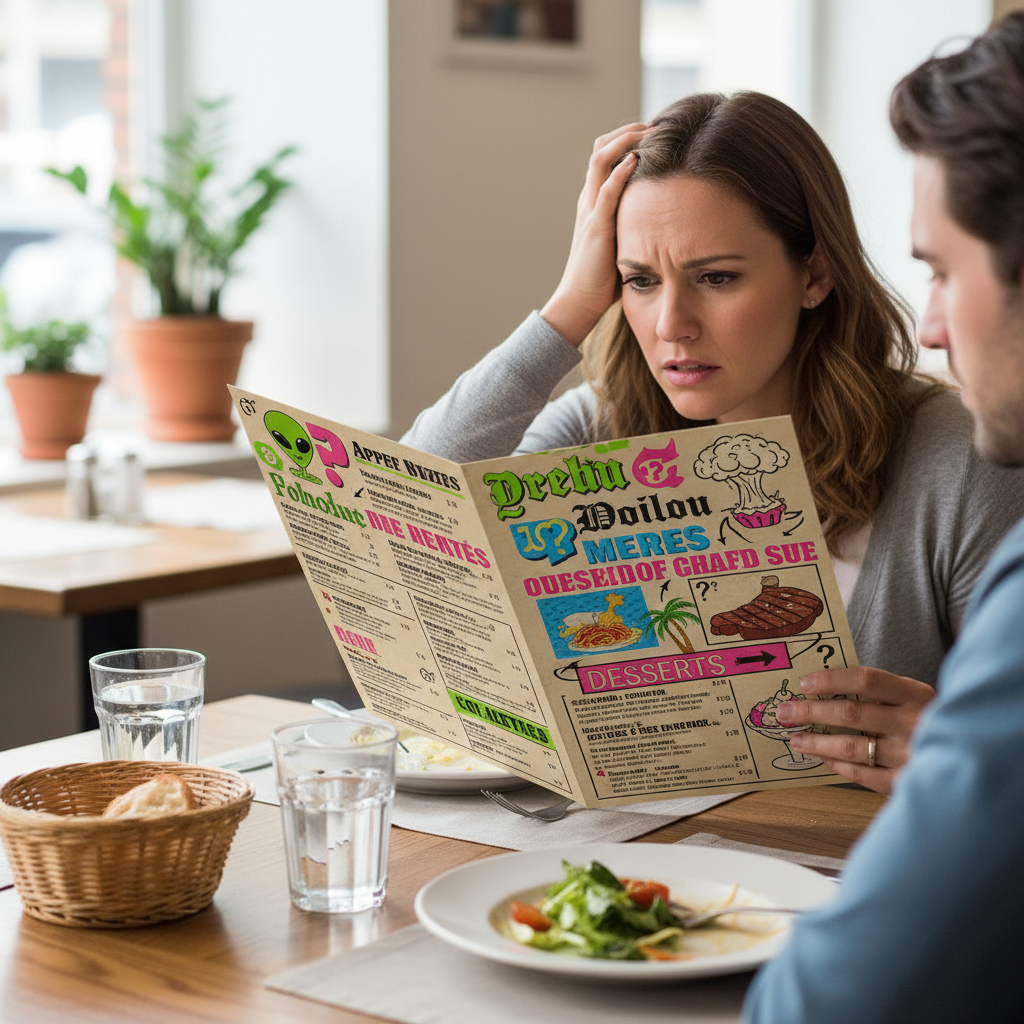
Why This Keeps Happening: The Root Causes of Menu Design Flaws
Many premium restaurants fall into the trap of menu design mistakes for several understandable reasons, which are rarely due to a lack of effort but rather a lack of specialized focus. Understanding these causes is the first step towards prevention.
- Underestimating Menu Psychology: The science of menu engineering is often overlooked. Simply listing items without considering placement, pricing strategies, or descriptive language means missing out on opportunities to guide guests towards more profitable choices and enhance their dining journey.
- DIY Design Syndrome: In an effort to save costs or maintain creative control, some restaurant owners attempt to design their menus in-house without professional graphic design expertise. This often results in amateurish layouts, poor typography, and inconsistent branding that detracts from a premium image.
- Inconsistent Branding Application: A premium brand is built on consistency. When the menu’s aesthetics- colors, fonts, imagery- do not perfectly align with the restaurant’s interior design, staff uniforms, or overall marketing message, it creates a disjointed and less credible experience.
- Ignoring Legibility and Readability: Fancy fonts and elaborate backgrounds might seem luxurious, but if they make the menu difficult to read under various lighting conditions, they fail their primary purpose. Premium menus must be elegant yet effortlessly readable.
- Lack of Professional Proofreading: Typos and grammatical errors are instant credibility killers, especially in a premium setting. A menu riddled with mistakes suggests a lack of attention to detail that can unfairly reflect on the entire establishment.
The Short Answer: Your Menu as a Strategic Brand Asset
The solution to these common premium restaurant menu design mistakes lies in recognizing your menu’s true potential: it’s not merely an inventory list but a meticulously crafted piece of marketing and sales collateral. A truly effective premium menu serves as a silent salesperson, a powerful brand ambassador, and an intuitive guide for your guests. It requires strategic foresight, an understanding of consumer psychology, and flawless execution by design professionals. When done right, it elevates the dining experience, reinforces your brand’s exclusivity, and subtly encourages optimal ordering patterns, directly impacting your profitability and reputation.
What The Solution Looks Like In Real Life: A Menu That Sells and Delights
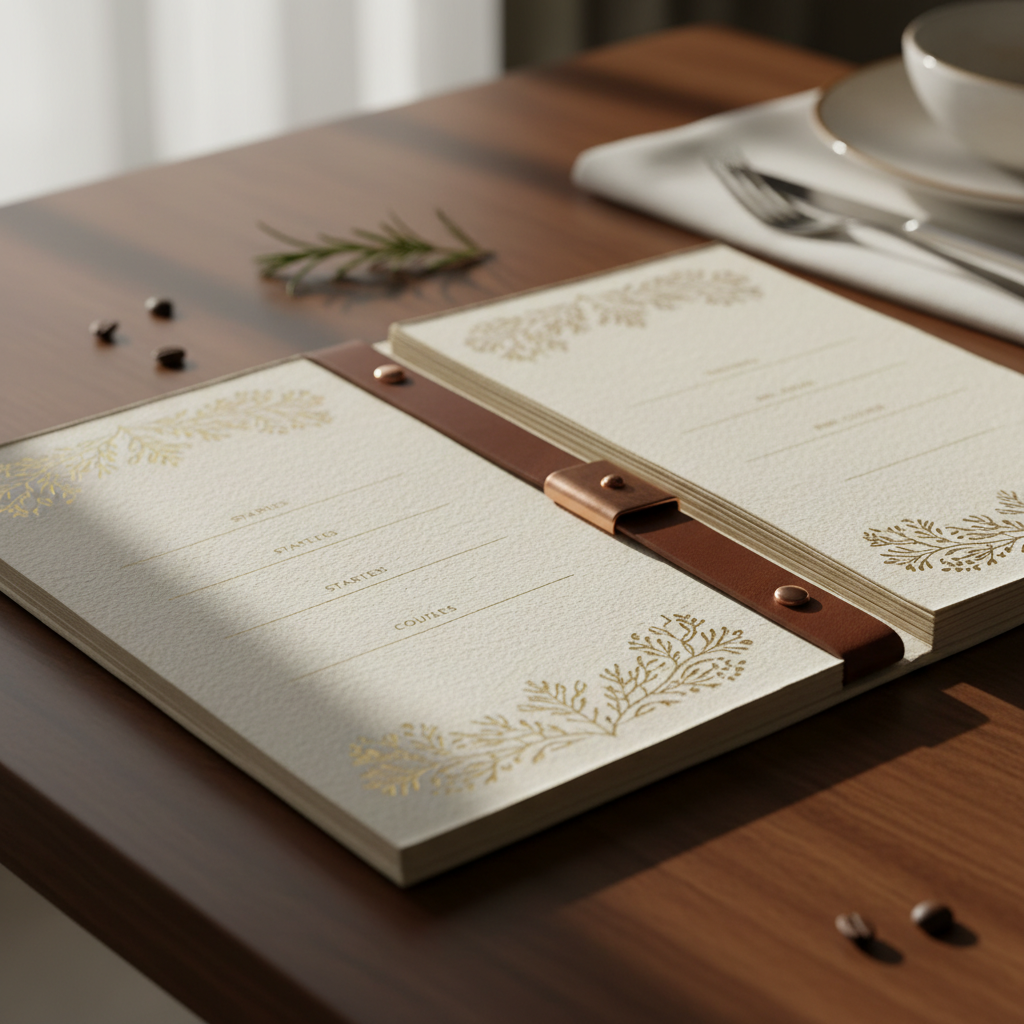
In a real-world premium restaurant, a perfectly designed menu is a harmonious extension of the entire dining experience. It begins with a cover that tantalizes and materials that feel luxurious to the touch, such as high-quality paper stock, genuine leather, or elegant wood. Inside, the layout is clean, intuitive, and visually balanced, making it easy for guests to navigate the culinary offerings.
Dish names are evocative and descriptive without being overly verbose, using language that aligns with the restaurant’s unique voice. Strategic placement of dishes- highlighting signature items or chef’s specials- subtly guides the eye and influences choices. Typography is legible and refined, complementing the brand’s aesthetic without sacrificing readability. Furthermore, a well-designed menu seamlessly integrates any brand storytelling, perhaps mentioning the sourcing of ingredients or the chef’s philosophy, creating a deeper connection with the diner. It’s a piece of art that facilitates commerce.
Step By Step: Crafting Your Exceptional Menu
Transforming your menu from a mere list to a powerful brand asset involves a systematic approach. Here’s how you can achieve design excellence:
- Re-evaluate Your Brand Identity: Start by clearly defining your restaurant’s unique story, values, target audience, and overall desired aesthetic. Every design decision should stem from this core identity.
- Optimize Menu Content and Structure: Work with your chef to curate a menu that is not only delicious but also strategically profitable. Categorize dishes logically and consider flow.
- Craft Compelling Descriptions: Move beyond basic ingredient lists. Use sensory language that evokes emotion and highlights the unique qualities of each dish, aligning with your premium positioning.
- Implement Menu Engineering Principles: Analyze sales data and profitability of each dish. Strategically place high-profit, popular items in “sweet spots” on the menu to maximize their visibility and appeal.
- Select Appropriate Typography: Choose fonts that are both elegant and highly legible. Use distinct fonts for headings, dish names, and descriptions to create visual hierarchy without clutter.
- Develop a Consistent Visual Theme: Determine a color palette, use of negative space, and any visual elements (like subtle borders or icons) that reinforce your brand’s premium aesthetic. Ensure consistency across all pages.
- Choose Premium Materials and Finishes: For physical menus, the tactile experience is crucial. Invest in high-quality paper, durable covers, and sophisticated finishes that feel luxurious to the touch.
- Professional Photography (If Applicable): If you opt for photos, ensure they are professional, high-resolution, and truly represent the quality of your food. For many premium restaurants, a photo-free menu emphasizes sophistication and anticipation.
- Thorough Proofreading and Feedback: Before printing, meticulously proofread for any errors. Gather feedback from trusted individuals to ensure clarity, readability, and overall appeal.
- Partner with Design Experts: Consider engaging a professional design agency like AXAR for Design Solutions to bring your vision to life with precision and expertise.
How This Looks For Different People: Tailoring Menu Design to Your Niche
Effective menu design is not a one-size-fits-all endeavor. Its successful implementation varies depending on the specific type of premium dining experience you offer.
- The Fine Dining Restaurateur: For an exclusive tasting menu or à la carte fine dining establishment, the menu must exude unparalleled elegance. This means minimalist design, exquisite typography, substantial material quality, and often, an absence of photos to encourage dialogue with servers. The focus is on subtle luxury and curated choices, reflecting the art of haute cuisine.
- The Boutique Hotel Dining Room: Here, the menu should seamlessly integrate with the hotel’s overall brand identity and luxurious amenities. It needs to convey sophistication and comfort, offering a balanced selection that caters to both hotel guests and external diners. Material choices and design elements might subtly echo the hotel’s interior decor, creating a cohesive guest journey.
- The Modern Bistro or Upscale Casual Eatery: While still premium, these venues can afford a slightly more relaxed yet equally refined approach. The menu should be clean, approachable, and easy to navigate, perhaps with a touch more personality in its design. Clear segmentation for daily specials, wine pairings, and perhaps a concise story about local sourcing can enhance its appeal without sacrificing the upscale feel.
- The Exclusive Wine Bar or Cocktail Lounge: For these establishments, the beverage list often takes center stage. Its design should be sophisticated, perhaps using darker tones, metallic accents, and detailed descriptions of origins and tasting notes. It needs to communicate expertise and exclusivity, guiding patrons through an extensive, premium selection with ease.
What Might Still Be Holding You Back
Despite recognizing the critical importance of menu design, several factors might prevent premium restaurant owners from investing in or implementing the necessary changes.
One common objection is the perceived high cost of professional design services. While an initial investment may seem substantial, it’s crucial to view it as a strategic investment with a significant return on investment through increased sales and enhanced brand perception. Another barrier is the fear of changing an “established” menu, even if it’s underperforming. Owners might worry about alienating regular customers or disrupting current operations. However, a well-communicated menu refresh can be framed as an exciting evolution of the dining experience.
Lastly, some restaurateurs might still believe that the food speaks for itself, and design is secondary. While exceptional cuisine is paramount, an uninspiring menu can dampen the anticipation and prevent guests from fully appreciating the culinary artistry. A great menu elevates and complements the food, never detracts from it.
Common Mistakes To Avoid in Premium Restaurant Menu Design
Steering clear of these pitfalls is crucial for maintaining your premium status and ensuring your menu enhances, rather than detracts from, the dining experience.
- Overcrowding and Clutter: A menu stuffed with too many items, graphics, or excessive text creates visual noise and overwhelms the diner. Premium implies curation, not endless options.
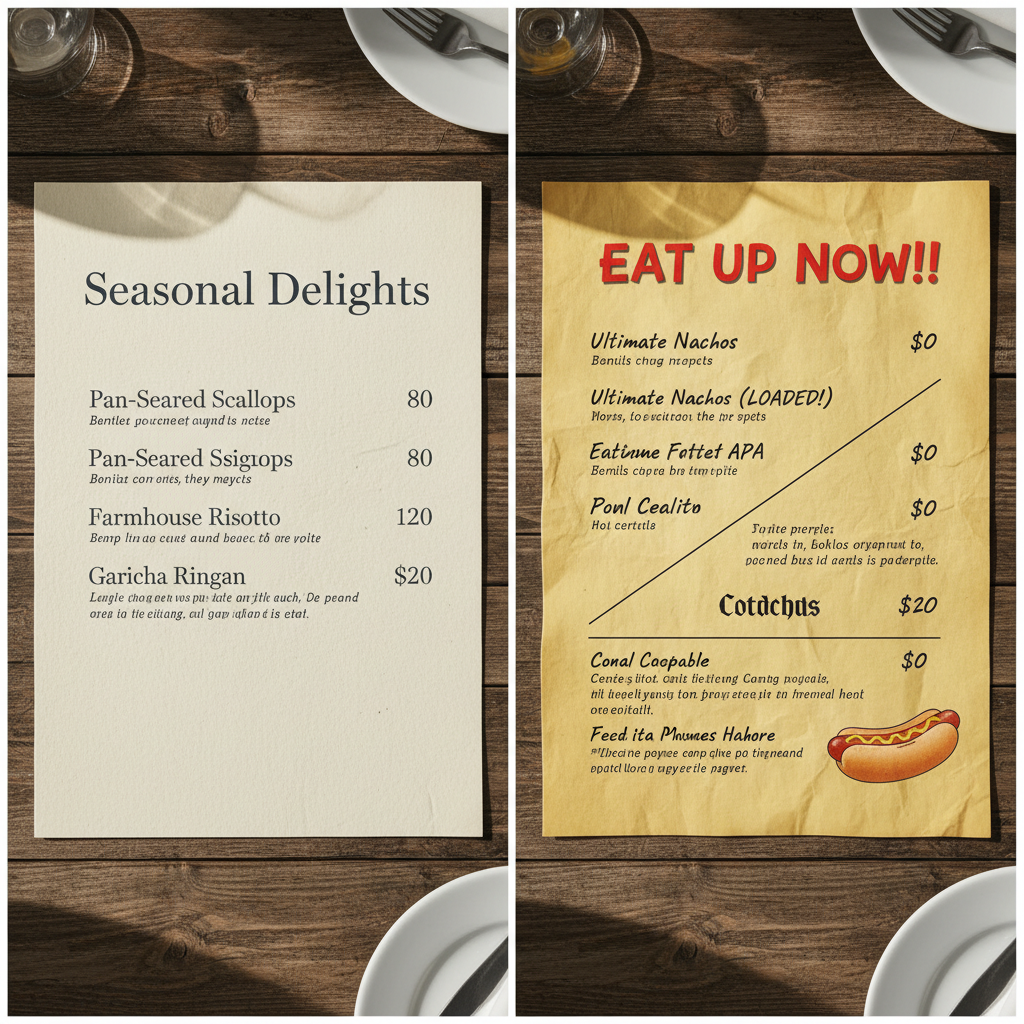
- Poor Font Choices and Readability: Using overly decorative, tiny, or light-colored fonts on a busy background makes the menu impossible to read, frustrating guests. Prioritize elegant legibility.
- Inconsistent Branding and Visuals: The menu must align perfectly with your restaurant’s interior, lighting, staff attire, and overall marketing. Discrepancies dilute your brand’s integrity.
- Lack of Clear Hierarchy: Without clear headings, subheadings, and strategic spacing, diners struggle to navigate. A premium menu should guide the eye effortlessly through categories and dishes.
- Typos and Grammatical Errors: Nothing diminishes a premium image faster than glaring spelling or grammar mistakes. They suggest a lack of attention to detail that can reflect poorly on the entire establishment.
- Using Cheap Materials: A flimsy, worn, or poorly laminated menu immediately sends a message of low quality, regardless of the food’s excellence. Invest in durable, tactile, high-quality materials.
- Over-Reliance on Stock Photography: While good food photography can be effective, generic stock images often look out of place in a truly premium menu. If photos are used, they must be exceptionally high quality and unique to your establishment.
Your Implementation Checklist: Designing for Success
Use this checklist to ensure every aspect of your premium restaurant menu design is thoughtfully addressed.
- ____ Brand identity and unique selling proposition are clearly defined and articulated.
- ____ Target audience demographics and preferences are thoroughly understood.
- ____ Menu items are optimized for profitability and strategically placed (menu engineering).
- ____ Dish names are evocative and descriptions are concise, appealing, and free of jargon.
- ____ Typography choices are elegant, highly legible, and consistent with brand aesthetics.
- ____ Color scheme, imagery (if any), and overall visual layout are harmonious and on-brand.
- ____ High-quality, durable materials and finishes have been selected for physical menus.
- ____ Professional photography, if utilized, is integrated seamlessly and enhances perceived value.
- ____ The entire menu has been meticulously proofread for any spelling or grammatical errors.
- ____ Design reflects the restaurant’s ambiance, service style, and culinary concept consistently.
- ____ Digital menu (if applicable) maintains the same high design standards as the physical version.
- ____ Feedback from a small focus group has been considered and incorporated into the design.
Your 7 Day Plan to Menu Design Excellence
Embark on a structured journey to revolutionize your premium restaurant’s menu with this actionable 7-day plan.
- Day 1: Audit and Vision Casting. Begin by thoroughly auditing your current menu. Identify specific pain points- areas that cause confusion, slow down ordering, or detract from your brand. Then, clearly articulate your vision for the new menu: what feeling should it evoke, and what key messages should it convey?
- Day 2: Define Your Brand Story. Deep dive into your restaurant’s unique narrative, values, and target customer. What is your culinary philosophy? What makes your establishment distinct? This foundation will guide all subsequent design choices.
- Day 3: Competitive Analysis and Inspiration. Research menus from other highly successful premium restaurants, both locally and internationally. Identify elements that work well and those that don’t. Gather inspiration for typography, layout, materials, and overall aesthetic that aligns with your vision.
- Day 4: Content Curation and Menu Engineering. Work closely with your chef to finalize the list of dishes. Focus on strategic menu engineering: analyze profitability and popularity to decide on placement, highlighting, and pricing. Refine dish descriptions to be concise and enticing.
- Day 5: Engage Design Professionals. This is the crucial step where you connect with expert designers. Share your brand story, vision, audit findings, and curated content. Consider reaching out to a team like AXAR, known for their bespoke services in creating impactful designs.
- Day 6: Review Initial Concepts and Provide Feedback. Your design partner will present initial concepts. Review them critically against your brand identity and vision. Provide clear, constructive feedback, focusing on how well the design communicates your brand and serves your guests.
- Day 7: Finalize Design and Plan Implementation. Collaborate with your design team to refine the chosen concept based on your feedback. Once finalized, plan the production- whether it’s printing physical menus with high-quality materials or implementing a stunning digital version. Celebrate the birth of your new, powerful brand asset!
Summary: Elevate Your Brand Through Thoughtful Menu Design
Your premium restaurant’s menu is an indispensable part of its identity and success. It’s a key touchpoint that can either reinforce your brand’s luxury and sophistication or inadvertently undermine it. By avoiding common design mistakes- from overcrowding and poor readability to inconsistent branding and cheap materials- you can transform your menu into a strategic asset that guides guests, enhances their dining experience, and significantly boosts your perceived value and profitability.
Investing in professional, thoughtful menu design is not an expense; it’s an investment in your restaurant’s future, ensuring every detail speaks to the excellence you strive for. Don’t let a subpar menu be the weak link in your premium establishment.
Ready to transform your menu into a powerful brand asset? Contact AXAR today for expert design solutions that resonate with your brand’s unique story and elevate every guest’s experience.
Sources
- Menu Engineering – Wikipedia
- Typography – Wikipedia
- Graphic Design – Wikipedia
- Brand – Wikipedia
- User Experience – Wikipedia
Frequently Asked Questions
Q: How often should a premium restaurant redesign its menu?
A: While menu content (dishes, prices) should be updated seasonally or as needed, a full design refresh is typically recommended every 3-5 years. However, if your brand identity evolves significantly or your current menu is underperforming, a redesign might be warranted sooner.
Q: Is a digital menu better than a physical one for a premium restaurant?
A: Both have merits. Physical menus offer a tactile, luxurious experience that enhances premium perception. Digital menus (via QR codes or tablets) allow for easy updates and can integrate dynamic content. Many premium restaurants successfully use a hybrid approach, offering beautifully designed physical menus complemented by a digital version for specials or extensive wine lists.
Q: How important are photos on a premium restaurant menu?
A: For many premium restaurants, the absence of food photos is a deliberate choice, intended to foster anticipation and encourage interaction with servers. If photos are used, they must be of exceptionally high quality, professionally shot, and perfectly consistent with the brand’s aesthetic; otherwise, they can detract from the premium image.
Q: What is “menu engineering” and why is it important for premium restaurants?
A: Menu engineering is a strategic approach to designing and pricing your menu to maximize profitability. It involves analyzing the popularity and profitability of each dish to guide its placement, size, description, and pricing on the menu. For premium restaurants, it’s crucial for subtly influencing guest choices towards high-value items without compromising the upscale experience.
Q: Can I design my own menu to save costs?
A: While possible, it’s generally not recommended for premium restaurants. Menu design requires expertise in graphic design principles, typography, branding, and menu psychology. A professionally designed menu by agencies like AXAR offers a significant return on investment through enhanced brand perception and increased sales, making the initial cost a worthwhile investment.