

Imagine settling into a beautifully appointed dining room, the soft glow of lighting setting the mood, anticipation building for an exquisite meal. Then, you’re handed a menu—and it feels, looks, and reads like an afterthought. In a luxury restaurant, this disconnect isn’t just disappointing; it’s a missed opportunity to elevate the entire guest experience and reinforce your brand’s prestige. Your menu is far more than a list of offerings; it’s a critical touchpoint, a piece of art, and a powerful marketing tool that speaks volumes before the first dish even arrives.
At AXAR, we understand that the best luxury restaurant menu design practices go beyond mere aesthetics. They involve a deep understanding of psychology, brand storytelling, and meticulous attention to detail. This comprehensive guide will help you unlock the full potential of your menu, transforming it into an integral part of your upscale dining narrative and ensuring every interaction is truly memorable.
What Is Luxury Restaurant Menu Design?
Luxury restaurant menu design is the art and science of creating a menu that embodies the high-end experience of a premium dining establishment. Unlike standard menu design, which primarily focuses on clarity and functionality, luxury design meticulously crafts every element to evoke sophistication, exclusivity, and culinary excellence. It’s about setting an expectation of unparalleled quality even before the food is ordered.
This goes beyond simply listing dishes and prices. It encompasses the tactile feel of the paper or material, the elegance of the typography, the thoughtful arrangement of content, and the subtle cues that communicate the restaurant’s unique brand identity and story. A well-designed luxury menu acts as a curated preview, inviting guests into the restaurant’s world, stimulating their senses, and enhancing their perception of value and distinction.
It reflects the restaurant’s commitment to excellence in every detail, from the decor to the service, ensuring a cohesive and immersive experience for the discerning diner. Ultimately, it transforms a functional item into a cherished component of the overall luxury dining journey.
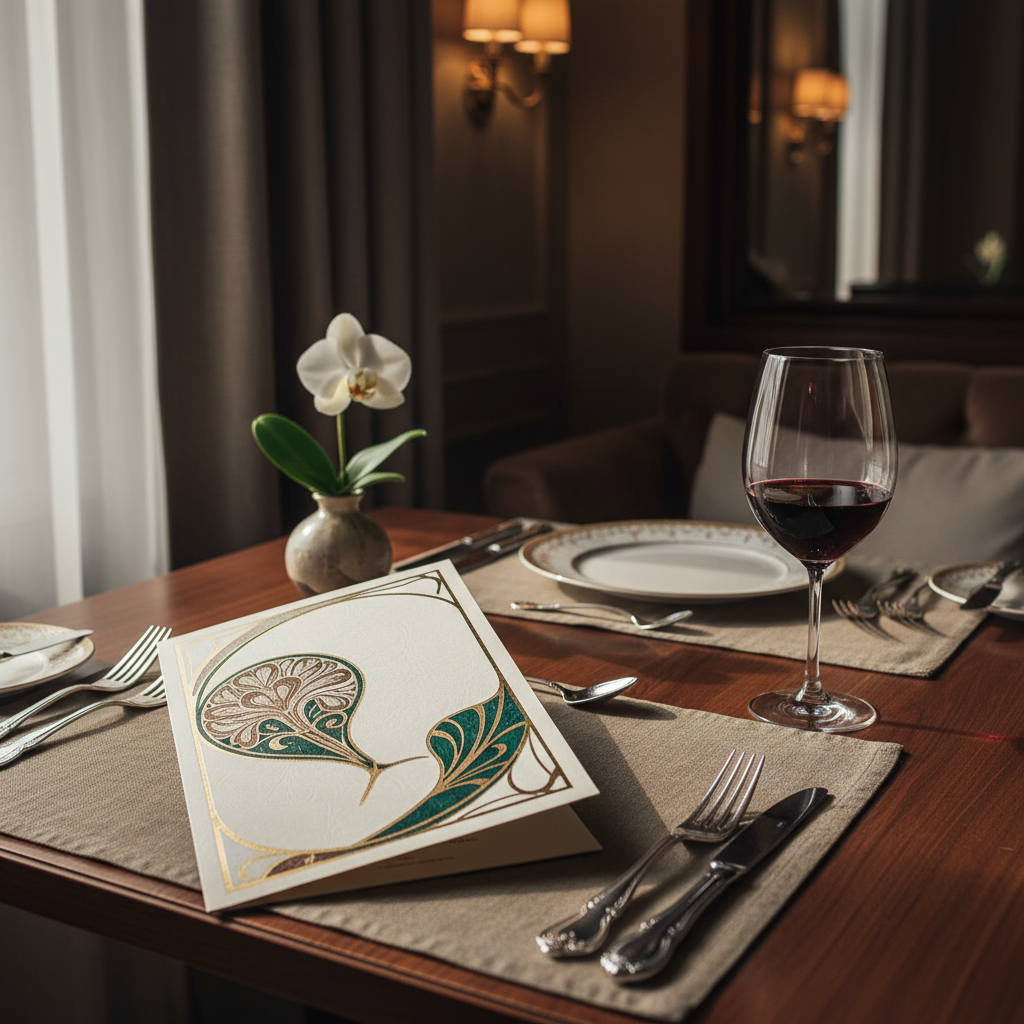
How Luxury Restaurant Menu Design Actually Works
Effective luxury menu design isn’t accidental; it’s a strategic blend of psychology, aesthetics, and storytelling. It works by engaging multiple senses and cognitive processes to create a heightened sense of value and anticipation. Here’s how the core pillars contribute:
1. Psychological Engineering
Luxury menus subtly guide diner choices. Techniques like “menu engineering” strategically place high-profit items in visually prominent spots, often without using currency symbols which can remind guests of spending. Descriptions use evocative language to tantalize and build desire, rather than just inform. Understanding consumer behavior is key to influencing perception and purchase decisions.
2. Immersive Aesthetics
Visual appeal is paramount. This includes sophisticated typography, harmonious color palettes, and minimalist layouts that convey elegance and avoid clutter. The aesthetics should align perfectly with the restaurant’s interior design and overall brand theme, creating a seamless and consistent luxury experience. High-quality imagery, if used, is sparing and artistic.
3. Tactile Storytelling
The physical menu itself tells a story. The choice of materials- premium paper stocks, leather, wood, or custom metals- imparts a sense of quality and craftsmanship. Weight, texture, and even scent contribute to the sensory experience, reinforcing the luxury brand message before a word is read. This physical interaction is a powerful, often subconscious, differentiator.
4. Brand Harmonization
A luxury menu is an extension of the restaurant’s unique identity. Every design element, from the logo placement to the font choice, must resonate with the brand’s ethos, history, and culinary philosophy. It should communicate the restaurant’s unique selling proposition and reinforce its position in the market. Consistency across all brand touchpoints is vital.
5. Functional Elegance
While beautiful, a luxury menu must also be highly functional. It should be easy to navigate, clearly legible, and organized logically. The elegance lies in making complex choices feel effortless and enjoyable, enhancing the overall dining experience rather than detracting from it with difficult readability or awkward handling.
How To Apply Luxury Restaurant Menu Design Step By Step
Implementing best practices for luxury restaurant menu design requires a methodical approach that prioritizes both beauty and strategic intent. Follow these steps to craft a menu that truly reflects your establishment’s prestige:
- Define Your Brand Identity and Story: Before any design work begins, solidify your restaurant’s unique identity. What is your culinary philosophy? What atmosphere do you want to create? What story do you want to tell? This foundation will guide every design decision. Understand your target clientele and their expectations for luxury.
- Research and Inspiration: Explore menus from other high-end establishments, both within and outside your cuisine type. Gather inspiration for typography, layout, materials, and descriptive language. Look for innovative approaches that elevate the dining experience while maintaining elegance and clarity.
- Select Premium Materials: Choose materials that convey luxury through touch and sight. Options include heavy cardstock, fine leather, textured paper, linen, or even custom-fabricated wood or metal covers. The weight, texture, and durability of the menu are critical for a premium feel.
- Master Typography and Layout: Select sophisticated, legible fonts that align with your brand. Often, a combination of one elegant serif and one clean sans-serif font works well for hierarchy. Employ generous white space to prevent clutter and create a sense of exclusivity. Organize sections logically, perhaps with subtle dividers or distinct formatting for starters, mains, and desserts.
- Craft Evocative Descriptions: Go beyond simple ingredient lists. Use rich, descriptive language that highlights provenance, preparation methods, and sensory experiences. Focus on storytelling rather than just informing. For instance, instead of “Grilled Salmon,” try “Pan-Seared Scottish Salmon with Lemon-Dill Beurre Blanc and Asparagus.”
- Strategic Pricing and Placement: Utilize menu engineering principles. De-emphasize currency symbols. Strategically place higher-margin dishes in prime viewing areas (often the “sweet spot” in the upper right or center of a two-page spread). Consider psychological pricing, but ensure it always feels aligned with the luxury experience.
- Minimalist or Curated Imagery (If Any): In luxury menus, “less is more” often applies to imagery. If you use photos, they must be exceptionally high-quality, professional, and artfully integrated. Often, abstract graphics, subtle illustrations, or elegant iconography are preferred over direct food photography, which can sometimes diminish the mystique.
- Proofread Meticulously: Errors in a luxury menu are inexcusable and instantly detract from the perceived quality. Proofread every word for spelling, grammar, punctuation, and pricing accuracy. Have multiple individuals review it before final printing.
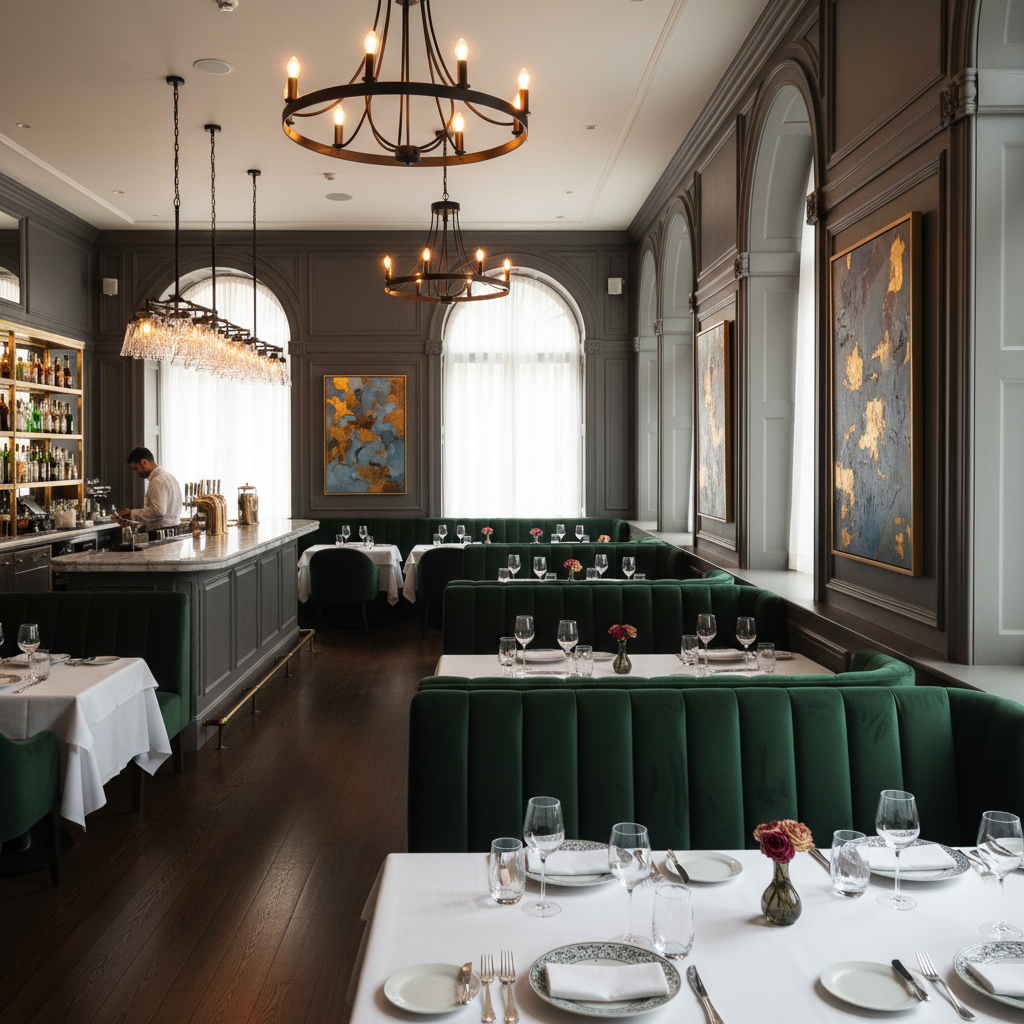
Common Mistakes And Myths
Even with good intentions, luxury menu design can go astray. Avoiding these common pitfalls is crucial for success:
- Over-Complication: Believing that luxury means intricate, overly decorative designs. True luxury often lies in elegant simplicity and clarity, allowing the quality of the offerings to shine.
- Ignoring Brand Consistency: Developing a menu that doesn’t align with the restaurant’s overall decor, service style, or culinary philosophy. Every element must be harmonious.
- Poor Readability: Using overly ornate fonts, tiny text, or low-contrast color schemes that make the menu difficult to read. Aesthetics should never compromise functionality.
- Cheap Materials: Opting for flimsy paper, poor-quality printing, or materials that feel cheap to the touch. The tactile experience is paramount in luxury dining.
- Too Many Options: Presenting an overwhelming number of dishes. Luxury often implies a curated, expertly chosen selection rather than endless choices. This can also lead to decision paralysis.
- Forgetting the Back: Neglecting the back of the menu. This space can be used for a brief brand story, wine pairings, or even an invitation to learn more about the chef, adding another layer of luxury.
Real Life Scenarios
The application of luxury menu design best practices varies depending on the restaurant’s specific concept and target audience. Here are a few scenarios:
Fine Dining Establishment – “The Azure Bloom”
The Azure Bloom, a Michelin-starred restaurant specializing in modern European cuisine, requires a menu that exudes unparalleled sophistication. Their menu features a heavy, artisanal paper stock, possibly with subtle watermarks, bound in a bespoke leather cover. Typography is minimalist and elegant, using a classic serif for dish names and a clean sans-serif for descriptions. Imagery is absent; instead, delicate hand-drawn botanical illustrations subtly frame the page edges. Dish descriptions are poetic, focusing on provenance and the chef’s innovative techniques, often referencing local farms or rare ingredients. Prices are discreetly placed without currency symbols, emphasizing the experience over the cost.
Boutique Hotel Restaurant – “The Loft & Larder”
Located within a stylish boutique hotel, The Loft & Larder offers a relaxed yet refined all-day dining experience. Their menu design reflects this blend of comfort and luxury. They might use a substantial, textured cardstock with a slightly rustic, natural feel. The design incorporates elegant but approachable fonts. Instead of overly formal language, descriptions are warm and inviting, highlighting seasonal ingredients and comfort elements with a gourmet twist. A subtle logo emboss might grace the cover. The menu is structured to be easily navigable from breakfast to dinner, perhaps with distinct sections for each meal period, maintaining a consistent brand aesthetic throughout.
Modern Fusion Eatery – “Umami Arc”
Umami Arc is known for its innovative blend of Japanese and South American flavors, attracting a trend-conscious, adventurous clientele. Their menu leans into contemporary luxury with a sleek, minimalist design. They might use a durable, water-resistant synthetic paper or even a slim, custom-engraved metal plate for the cover. Bold, modern typography with clean lines dominates, complemented by a vibrant accent color pulled from the restaurant’s interior. Brief, impactful descriptions highlight the unique flavor profiles and fusion elements. Small, abstract graphic patterns or elegant cultural motifs could be used sparingly to delineate sections, avoiding traditional imagery to maintain a modern edge.
AXAR’s Approach
At AXAR, we believe that luxury is an experience meticulously crafted from the smallest detail. Our Design Solutions for luxury restaurant menu design begin with a deep dive into your brand’s unique narrative, culinary vision, and target demographic. We don’t just create menus; we engineer dining journeys that resonate with your guests long after they’ve left your establishment.
Our process integrates cutting-edge design principles with a profound understanding of sensory marketing and consumer psychology. From selecting the perfect tactile materials to harmonizing typography and crafting evocative language, every element is chosen to elevate perception and reinforce your restaurant’s exclusivity. We pride ourselves on creating menus that are not only visually stunning but also strategically effective, driving guest satisfaction and profitability.
Partner with AXAR to transform your menu from a mere list into a pivotal touchpoint of your luxury brand. Our expertise ensures that your menu serves as a silent, powerful ambassador for your culinary excellence. Explore our comprehensive Services to see how we can enhance every aspect of your brand’s visual identity.
Still Not Sure?
Investing in luxury menu design might seem like a significant undertaking, but the returns are invaluable. Let’s address some common concerns:
“Is it really worth the investment for just a menu?”
Your menu is often the first physical interaction a guest has with your brand. It sets the tone, communicates your quality, and influences purchasing decisions. A poorly designed menu can cheapen even the most exquisite dishes, while a well-designed one justifies premium pricing and enhances the overall perceived value of the dining experience.
“It seems overly complex. Can’t we just use a template?”
While templates offer a quick fix, they lack the bespoke touch essential for luxury branding. Our approach at AXAR is entirely custom, ensuring your menu uniquely reflects your restaurant’s personality and culinary philosophy. Luxury is in the details and the personalization that a template cannot provide.
“How often will I need to update it?”
The core design- materials, typography, and layout- is a long-term investment. Content updates for seasonal changes or new dishes can be managed efficiently with a well-structured design. We also provide guidance on maintaining your menu’s pristine condition, ensuring its longevity and consistent luxury appeal.
Making It Work Long Term
A luxury menu is an investment that requires ongoing care and strategic management to maintain its impact over time. Here are tips for long-term success:
- Regular Maintenance and Cleaning: Premium materials require careful handling. Implement a strict cleaning regimen to keep menus pristine, free from stains, tears, or smudges. Replace damaged menus immediately.
- Strategic Updates: While the core design should remain consistent, regularly update menu items to reflect seasonality, new culinary creations, or ingredient availability. Ensure these updates are seamlessly integrated without compromising the overall aesthetic.
- Guest Feedback Integration: Pay attention to how guests interact with your menu. Are there common questions? Do they struggle with readability or navigation? Use this feedback to make subtle, continuous improvements.
- Staff Training: Ensure your service staff are knowledgeable about the menu’s design elements, the story behind its creation, and how to present it. This reinforces the luxury experience.
- Consistency Across Digital Platforms: If you have a digital menu, ensure its design, typography, and tone are consistent with your physical menu. This creates a cohesive brand experience across all touchpoints.
Summary & The AXAR Difference
Luxury restaurant menu design is a nuanced discipline that transforms a functional item into a powerful brand asset. By meticulously crafting every detail- from the material’s touch to the language’s cadence- you elevate the dining experience, reinforce your brand’s prestige, and ultimately enhance guest satisfaction and loyalty. It’s about creating an extension of your culinary artistry and an invitation into an unforgettable world of flavor and refinement.
Ready to redefine your restaurant’s first impression and elevate your brand’s narrative? Let AXAR be your partner in crafting a menu that speaks volumes about your commitment to excellence. Visit our Contact Us page today to begin a collaboration that will set your luxury restaurant apart.
Sources
- Menu Engineering – Wikipedia
- Graphic Design – Wikipedia
- Typography – Wikipedia
- Luxury Brand – Wikipedia
- E-commerce – Wikipedia
Frequently Asked Questions (FAQ)
Q1: How important is the choice of paper or material for a luxury menu?
A1: Extremely important. The tactile experience of a luxury menu is crucial. Premium materials like heavy cardstock, fine leather, or custom wood convey quality, craftsmanship, and attention to detail. This physical interaction sets a high expectation for the dining experience even before the food is ordered.
Q2: Should luxury menus include photos of the food?
A2: Generally, less is more with imagery in luxury menus. Many high-end establishments opt for no food photos, or if used, they are exceptionally artistic, minimalist, and sparingly placed. The goal is to build anticipation and allow the evocative descriptions to paint a picture, rather than showing a direct representation.
Q3: What role does typography play in luxury menu design?
A3: Typography is foundational. Elegant, legible fonts communicate sophistication and enhance readability. Often, a harmonious pairing of a classic serif for headings and a clean sans-serif for descriptions is used. The right typography reinforces the brand’s aesthetic and contributes significantly to the menu’s overall luxurious feel.
Q4: How can I make my menu feel exclusive without making it unapproachable?
A4: Exclusivity comes from quality, curation, and impeccable presentation, not from being obscure or difficult to understand. Use clear, concise yet evocative language. Ensure good readability and a logical flow. The luxury is in the refined experience and the curated selection, making guests feel they are part of something special, not confused by it.
Q5: Is it better to have a single, comprehensive menu or multiple specialized menus (e.g., tasting, wine)?
A5: For luxury establishments, it’s often best to have specialized menus for tasting experiences, wine lists, or cocktail programs. This allows each to be designed with its own distinct purpose and aesthetic, preventing clutter on a single menu and enhancing the focused, curated feel of each offering. This also gives the opportunity for additional design points that reinforce luxury.